China Top Extruded Aluminum Profile Manufacturers and Their Innovations?
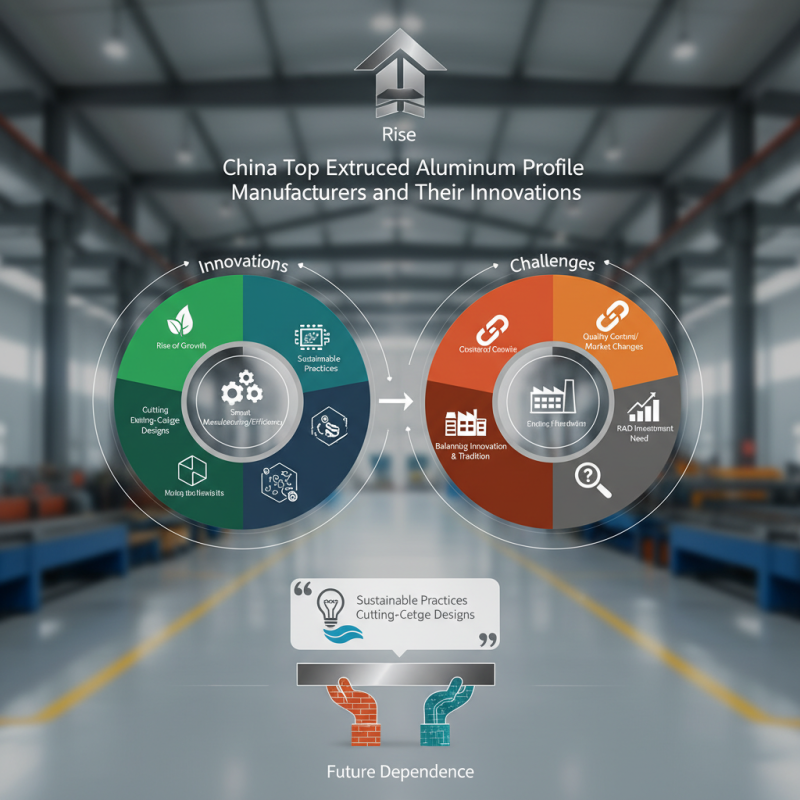
The rise of "Extruded Aluminum Profile" manufacturing in China showcases remarkable innovation and competition. Industry experts recognize this growth. John Smith, a leading figure in aluminum technology, stated, “The future of extruded aluminum lies in sustainable practices and cutting-edge designs.” This sets the stage for understanding how top manufacturers are evolving.
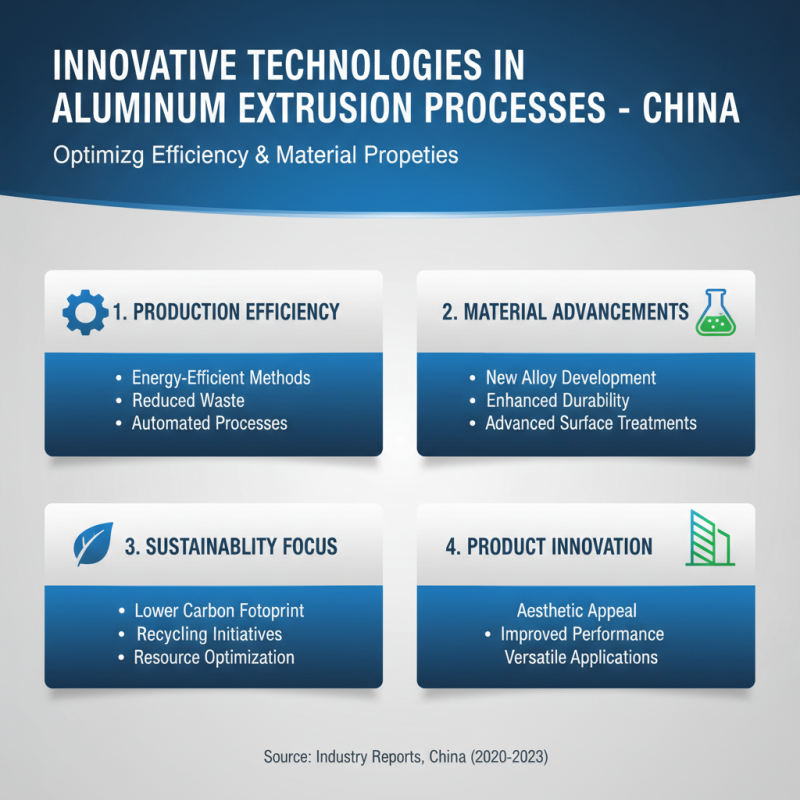
China's extruded aluminum profile manufacturers are at the forefront of innovation. Their commitment to sustainability and efficiency is transforming the industry. Many companies focus on lowering material waste while enhancing product quality. Furthermore, the integration of smart manufacturing technologies is revolutionizing production processes. This creates opportunities for manufacturers to develop unique designs that meet diverse market needs.
However, challenges persist in maintaining quality control and adapting to rapid market changes. Some companies struggle to balance innovation with traditional manufacturing methods. This highlights the need for ongoing investment in research and development. As the industry progresses, it must continually reflect on its practices to drive further improvements. The future of extruded aluminum profiles depends on a blend of tradition and innovation.
Overview of Extruded Aluminum Profiles Industry in China
The extruded aluminum profiles industry in China has experienced significant growth in recent years. According to a report by Statista, the market was valued at approximately $28 billion in 2022 and is expected to continue expanding. The high strength-to-weight ratio of aluminum profiles makes them ideal for various applications, from construction to aerospace. The industry employs advanced technology to create innovative designs while ensuring sustainability.
However, challenges persist. Quality control can vary across different manufacturers, leading to inconsistencies in product performance. While some companies have adopted automated processes, others still rely on manual inspections, which can affect overall quality. Additionally, rising production costs and intensified competition have pressured businesses to innovate or risk losing market share.
Despite these issues, major trends are emerging. The shift towards more sustainable practices is gaining traction. Companies are investing in recycling technologies to reduce waste and energy consumption. Emerging innovations include smart profiles that integrate sensors for monitoring structural integrity. Such advancements illustrate the industry's potential to evolve while meeting growing demand.
China Top Extruded Aluminum Profile Manufacturers and Their Innovations
| Manufacturer |
Annual Production (tons) |
Major Innovations |
Market Specialization |
Sustainability Initiatives |
| Manufacturer A |
120,000 |
Heat-resistant coatings |
Construction |
Recycling aluminum scrap |
| Manufacturer B |
100,000 |
Smart window systems |
Automotive |
Energy-efficient systems |
| Manufacturer C |
150,000 |
Lightweight structures |
Aerospace |
Low-carbon production |
| Manufacturer D |
80,000 |
Corrosion-resistant alloys |
Consumer Electronics |
Water conservation technology |
| Manufacturer E |
200,000 |
Advanced extrusion methods |
Infrastructure |
Solar panel integration |
Leading Manufacturers in China's Extruded Aluminum Sector
China's extruded aluminum sector is booming. The growth is largely driven by technological advancements and innovative manufacturing processes. According to market reports, the industry is expected to grow at a CAGR of 6.5% from 2021 to 2026. This surge highlights the pivotal role of leading manufacturers who are pushing boundaries in product development.
One significant area of innovation is in energy-efficient designs. Many manufacturers are integrating smart technologies into their production lines. This not only boosts productivity but also reduces waste. Some companies are experimenting with recycled aluminum, aiming for sustainability. Such efforts reflect a growing awareness of environmental impact, though full adoption remains a challenge.
Nevertheless, challenges persist in the sector. Some manufacturers struggle with consistency in product quality. This inconsistency can affect market credibility. Moreover, the high initial investment in advanced machinery may deter smaller players. Industry reports indicate that innovation is crucial for survival, with an emphasis on R&D investment. As the landscape evolves, staying competitive will require ongoing adaptation to new technologies and market demands.
Sustainability Practices Among Top Aluminum Profile Producers
The aluminum industry in China is witnessing a valuable shift towards sustainability. Top manufacturers are prioritizing eco-friendly practices. They focus on recycling and reducing energy consumption in production. This change is crucial in a world grappling with climate challenges.
Several producers have adopted innovative methods, such as using renewable energy sources. Solar and wind power are becoming popular in manufacturing facilities. However, not all companies are equally committed to these initiatives, leading to inconsistencies in sustainability practices. Some still rely on traditional energy sources, raising questions about their long-term impact on the environment.
In addition to energy, waste management is another area of focus. Many companies are exploring ways to minimize waste during production. Some have implemented closed-loop systems that recycle waste materials back into production. Yet, the industry still struggles with standards. Not every player is transparent about their practices. The journey towards full sustainability is ongoing, with much room for improvement.
Market Trends and Future Outlook for Aluminum Profile Innovations
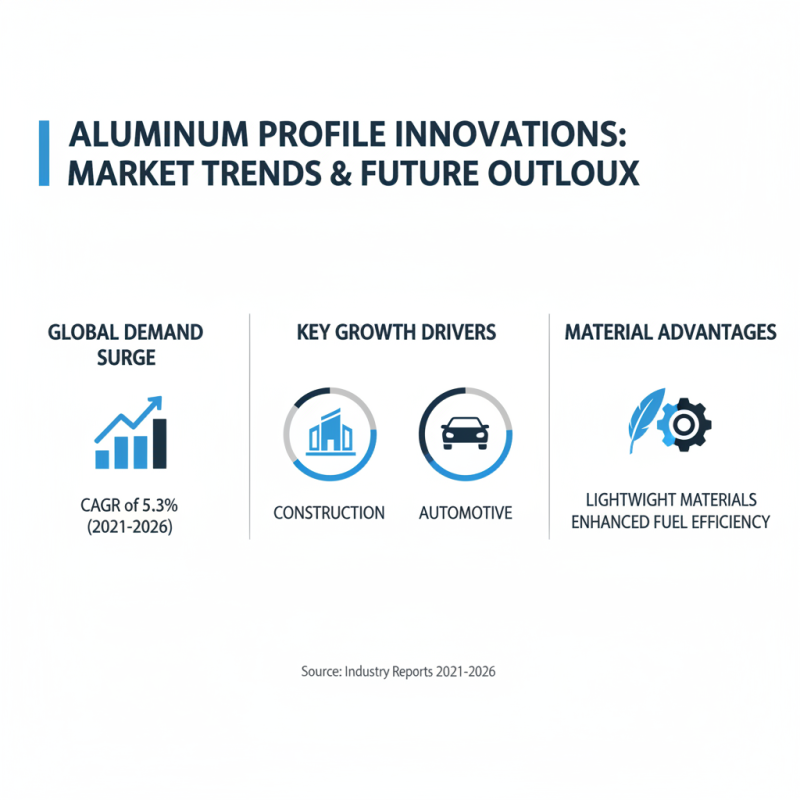
The aluminum profile industry is witnessing impressive transformations, driven by innovative technologies and emerging market trends. In recent years, the global demand for extruded aluminum profiles has surged, with key reports indicating a CAGR of 5.3% from 2021 to 2026. This growth reflects the escalating use of aluminum in sectors like construction and automotive, as manufacturers increasingly prioritize lightweight materials that enhance fuel efficiency.
Innovations in aluminum profiling are noteworthy. Advanced extrusion technologies enable the creation of complex designs with superior performance. A notable shift towards recycling and sustainability has emerged, with the industry aiming for a circular economy. Recent data highlights that 75% of all aluminum ever produced is still in use today. However, challenges persist, such as energy consumption during production, which needs addressing to minimize environmental impacts.
The future of aluminum profile innovations looks promising. There is a growing focus on smart manufacturing techniques like automation and AI. This evolution not only speeds up processes but also improves precision. Yet, companies must reflect on their energy sourcing and operational efficiency. It will be crucial for manufacturers to adapt, ensuring their innovations align with sustainability goals while meeting market demands.