How to Choose the Best Aluminum Heatsink Extrusion for Your Needs?
Choosing the best aluminum heatsink extrusion can be challenging. With so many options available, how do you make the right choice? Aluminum heatsink extrusions play a crucial role in thermal management. They help dissipate heat from electronic components efficiently. The right heatsink can enhance performance and extend the lifespan of devices.
When selecting an aluminum heatsink extrusion, consider several factors. Heat dissipation capacity is vital. The size and shape of the heatsink matter too. A properly designed heatsink will maximize airflow and ensure effective cooling. Material quality also impacts heat conductivity. Look for an extrusion with excellent surface finish.
It's essential to understand your specific needs. Your application may require unique features, such as mounting options or custom sizes. Don’t hesitate to ask for expert advice. Sometimes, it’s beneficial to experiment with different designs. Reflect on past decisions; did they meet your expectations? Gather feedback to improve future choices. Choosing the right aluminum heatsink extrusion can significantly affect your project's success.
Understanding the Basics of Aluminum Heatsink Extrusions
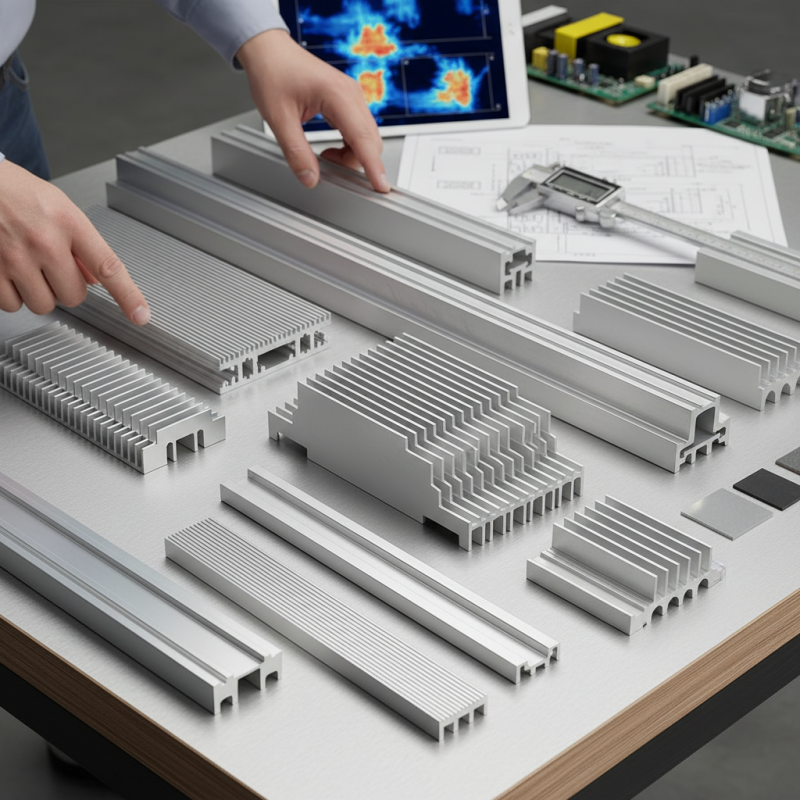
When it comes to aluminum heatsink extrusions, understanding the basics is crucial. Aluminum has excellent thermal conductivity, making it a popular choice for heat dissipation. These extrusions can be easily molded into various shapes, which enhances their versatility. Each design serves a specific function, targeting unique cooling needs.
Choosing the right heatsink extrusion requires knowledge. The size and shape impact performance significantly. Larger surface areas promote better airflow. This can be an area of frustration if one fails to consider the installation space. Dimensions can limit options, so measure carefully before selecting.
Another factor is the alloy type. Different aluminum alloys possess varying thermal properties and strength. A misjudgment here might lead to ineffective cooling or structural failures. It's advisable to review technical specifications. Practical experience often reveals that the ideal choice isn't always the most obvious one. Sometimes, trial and error paves the way to the best solutions. Always be open to reevaluating your choices based on performance feedback.
Comparison of Aluminum Heatsink Extrusion Sizes
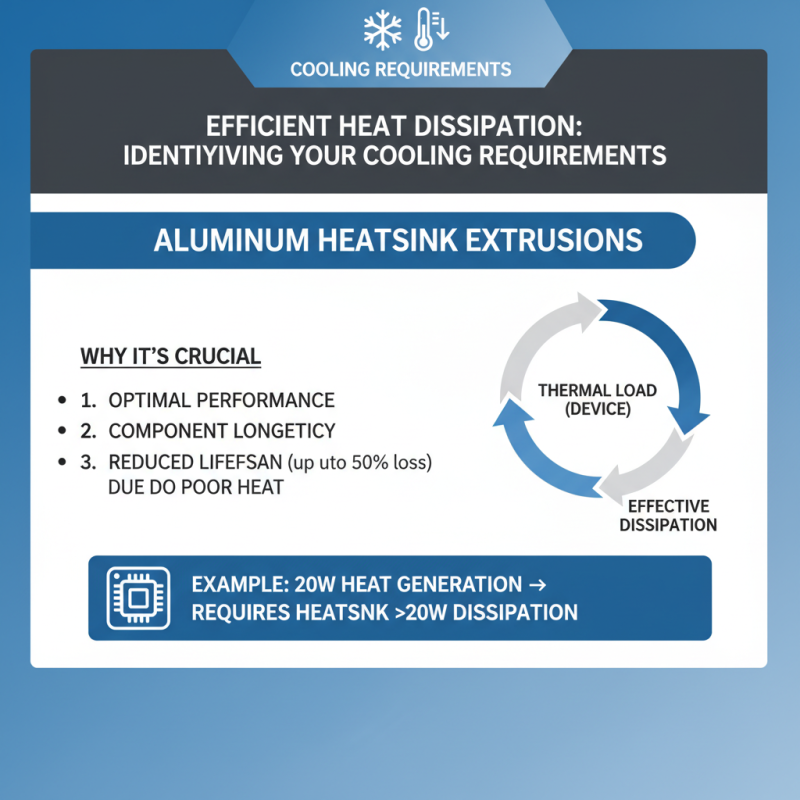
Identifying Your Cooling Requirements for Efficient Heat Dissipation
When selecting an aluminum heatsink extrusion, identifying your cooling requirements is crucial. Effective heat dissipation ensures optimal performance and longevity. Industry reports indicate that poor heat management can reduce component lifespan by up to 50%. The choice of heatsink is often dictated by the thermal load of the device. For instance, a device generating 20 watts of heat needs a heatsink capable of effectively dissipating that energy.
Tip: Assess your device's thermal output before choosing a heatsink. Review its specifications and calculate the necessary thermal resistance. This helps in selecting an appropriate extrusion profile.
Airflow is another vital factor. A well-designed heatsink maximizes airflow, enhancing heat transfer. Inadequate airflow can limit cooling efficiency, leading to thermal throttling in electronic components. According to a study from the Thermal Engineering Society, increasing airflow by just 10% can improve a heatsink's performance significantly.
Tip: Consider your installation environment. Maintain a clear path for air circulation. This will support better heat dissipation. Remember, an improperly sized heatsink could lead to overheating, which is often overlooked in design phases. Investing time in precise calculations can yield long-term benefits.
Assessing Material Properties: Why Aluminum is a Preferred Choice
Aluminum is commonly chosen for heatsink extrusions due to its exceptional thermal conductivity. This property allows for effective heat dissipation, essential in many electronic applications. The lightweight nature of aluminum makes it easier to manage and install, which can be a considerable advantage during manufacturing. Additionally, aluminum's resistance to corrosion increases the longevity of heatsinks, ensuring better performance over time.
When selecting an aluminum heatsink, consider your specific requirements. Not all aluminum grades are the same. Each grade possesses unique attributes, affecting thermal performance and mechanical strength. Think about the environment where the heatsink will be used. Humid or salty conditions may require a more robust alloy or additional protective coatings.
Tips: Conduct thorough research on thermal performance ratings. Don’t hesitate to consult materials engineers. Understanding your heat dissipation needs can lead to better efficiency. Examine the physical dimensions and weight for compatibility with your device. Balancing size and capacity can significantly impact overall performance and aesthetics.
Exploring Design Features: Fin Shapes, Dimensions, and Configurations
When selecting an aluminum heatsink extrusion, the design features play a crucial role in thermal performance. The fin shapes, dimensions, and configurations directly influence heat dissipation efficiency. A report from the Journal of Electronic Packaging states that a well-designed fin structure can improve thermal performance by up to 30%. Optimizing the surface area through various fin designs can lead to significant improvements.
Consider the total surface area when selecting fins. A higher surface area allows for more heat to be dissipated. Louvered and pin fins, for instance, are excellent for maximizing airflow. Keep in mind that factors like orientation and airflow direction can also affect efficiency. A basic rule of thumb is to space your fins far enough apart to improve airflow while allowing sufficient surface area contact.
Tip: Always conduct a thorough thermal analysis before finalizing your design. This ensures that your heatsink will meet your cooling requirements. Remember also that some configurations may not be suitable for all applications. Experimenting with different designs might reveal unexpected advantages or drawbacks. It's essential to remain flexible and adjust based on performance testing data.
Evaluating Manufacturing Processes: Custom vs. Standard Extrusions
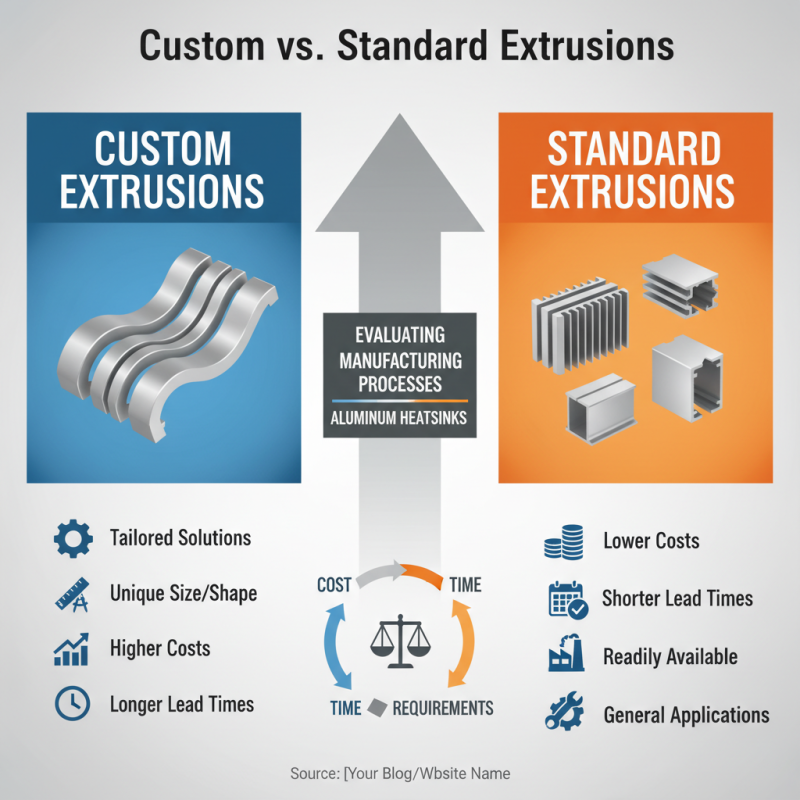
When evaluating manufacturing processes for aluminum heatsink extrusions, the choice between custom and standard options is crucial. Custom extrusions offer tailored solutions. They cater specifically to unique requirements, such as unique size or shape constraints. However, this customization often leads to higher production costs and extended lead times. It’s important to weigh these factors against project budgets and timelines.
Standard extrusions are a more straightforward option. They benefit from economies of scale, reducing costs significantly. These extrusions are readily available and can be sourced quickly. Still, they may not meet every technical requirement perfectly. This could lead to compromises in performance or heat dissipation efficiency. After considering both options, manufacturers need to reflect on their specific needs and evaluate which route ultimately offers the best long-term benefits. Balancing performance, cost, and lead times is always a delicate act.