What is Decoration Aluminum Profile and How is it Used?
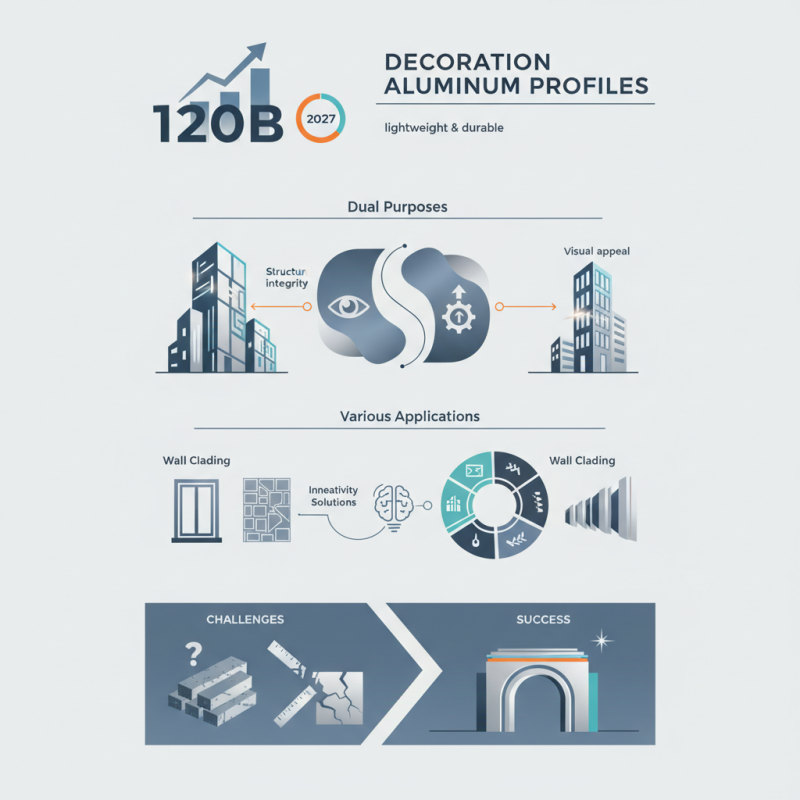
The concept of "Decoration Aluminum Profile" is gaining significant traction in the construction and design industries. According to a recent industry report from Grand View Research, the global aluminum profile market is expected to reach USD 120 billion by 2027, driven in part by growing demand for lightweight and durable materials. Experts emphasize the versatility of decoration aluminum profiles in creating modern aesthetics while providing structural integrity.
John Smith, a renowned specialist in metal design, states, “Decoration aluminum profiles not only enhance visual appeal but also contribute to energy efficiency in buildings.” His insight highlights how these profiles serve dual purposes in architecture and interior design. They can be used in various applications, from framing and cladding to decorative elements, showcasing flexibility in design.
As designers seek innovative solutions, the integration of decoration aluminum profiles offers an exciting avenue for creativity. These materials are not without challenges. Sourcing high-quality profiles can be tricky, and miscalculations in design may lead to visual or structural imperfections. Nonetheless, the pathway to success often requires overcoming these obstacles, leading to remarkable results in design projects.
What is Decoration Aluminum Profile?
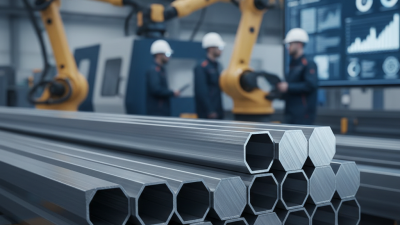
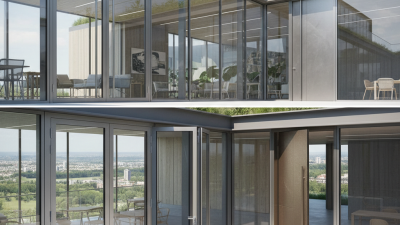
Decoration aluminum profiles are versatile materials widely used in various industries. These profiles are known for their durability and aesthetic appeal. They are typically extruded into various shapes and sizes, allowing for extensive design possibilities. Common uses include window frames, door frames, and interior cladding. The lightweight nature of aluminum makes it easier to handle and install compared to other materials.
The surface treatment of decoration aluminum profiles often involves anodizing or painting. These processes enhance both strength and visual appeal. Anodized finishes can create a protective layer, improving resistance to corrosion. When selecting a profile, it’s crucial to consider the intended use and environmental factors. For instance, certain finishes may not perform well outdoors in extreme weather conditions.
While decoration aluminum profiles offer many benefits, not all applications are suitable. Some designs might require thicker materials for added strength. Additionally, improper installation can lead to issues, such as misalignment or structural failure. Reflecting on these aspects can help users make informed decisions for their projects.
The Composition and Properties of Decoration Aluminum Profiles
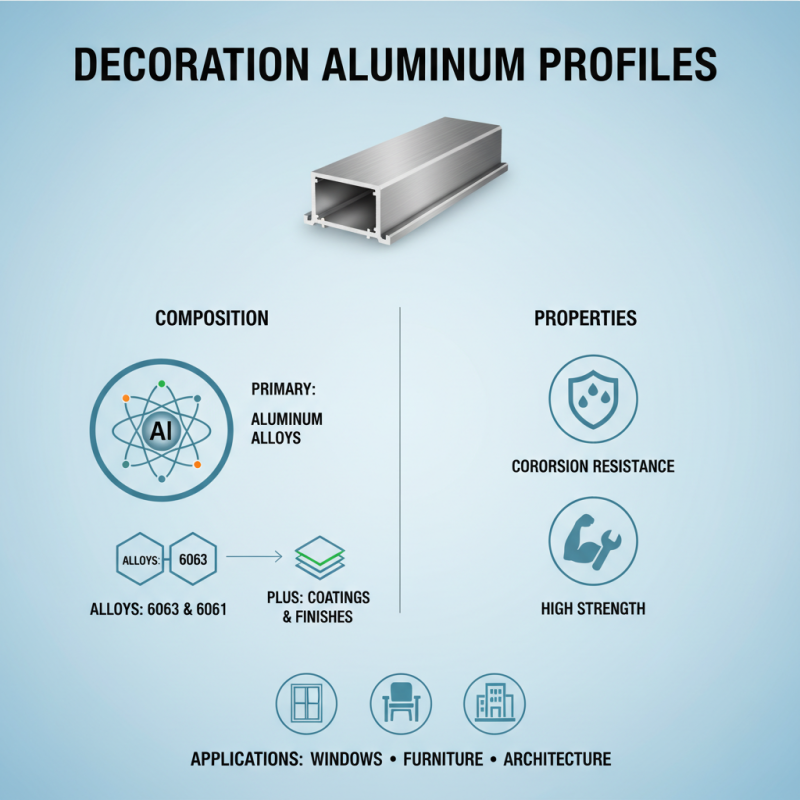
Decoration aluminum profiles are widely recognized for their functional and aesthetic appeal. They consist primarily of aluminum alloys, often enhanced with coatings or finishes. The most common alloys used include 6063 and 6061, known for their excellent corrosion resistance and strength. These properties make them suitable for various applications, from window frames to interior furnishings.
The surface treatment of decoration aluminum profiles is crucial. Anodizing or powder coating adds durability and visual appeal. Anodizing increases corrosion and wear resistance, while powder coating offers a wide range of colors and textures. These processes not only enhance the material’s characteristics but also allow for customization, making it possible to match specific design preferences. However, achieving the right finish requires expertise, and imperfections can arise during production.
Choosing the right profile depends on the intended application. Some profiles may be too rigid for specific installations, leading to the need for adjustments. It is essential to consider the environmental factors where these profiles will be used. While they are generally resistant to weathering, extreme conditions might demand further treatment or enhancements. Understanding these elements is crucial to ensure that the profiles meet both functional and aesthetic goals effectively.
Common Applications of Decoration Aluminum Profiles
Decoration aluminum profiles are versatile materials widely used across various industries. They enhance the aesthetics and functionality of numerous applications. These profiles often serve in lighting fixtures, window frames, and interior design elements. Their ability to be customized in shape and finish adds to their appeal. Architects and designers appreciate their durability and lightweight nature.
In home décor, aluminum profiles are utilized for creating modern furniture and stylish wall paneling. They can be found in kitchen cabinets and wardrobe doors. The sleek appearance complements contemporary designs. Additionally, commercial buildings employ these profiles in curtain walls and office partitions. However, it’s crucial to consider the environmental impact of production. Recycling options exist but are not always utilized effectively.
In the realm of electronics, decoration aluminum profiles are essential for heat dissipation. They encase delicate components, ensuring longevity. Industries are adopting these materials for thermal management solutions. Still, there is ongoing debate about balancing aesthetics and functionality. As trends shift, it's essential to reflect on achieving lasting designs. Innovation remains key, yet one must avoid sacrificing practicality for appearance.
What is Decoration Aluminum Profile and How is it Used? - Common Applications of Decoration Aluminum Profiles
| Application Area |
Description |
Common Features |
Typical Sizes |
| Interior Design |
Used for decorative wall paneling and ceiling features. |
Lightweight, customizable finishes, corrosion-resistant. |
20mm x 20mm to 150mm x 150mm |
| Furniture |
Incorporated into furniture designs such as cabinets and tables. |
Stylish finishes, various colors, durable. |
15mm x 30mm to 100mm x 30mm |
| Commercial Spaces |
Used in shops and restaurants for a modern look. |
Elegant appearance, easy to install, variety of finishes. |
30mm x 30mm to 200mm x 50mm |
| Exterior Facades |
Applied to building exteriors for aesthetic and protective purposes. |
Weather-resistant, available in many colors, adds insulation. |
50mm x 200mm to 300mm x 300mm |
| Signage |
Used for creating corporate signage and displays. |
Versatile designs, custom colors, lightweight. |
Variable sizes depending on design requirements |
The Manufacturing Process of Decoration Aluminum Profiles
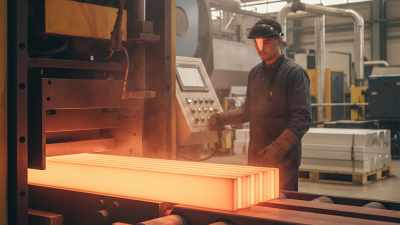
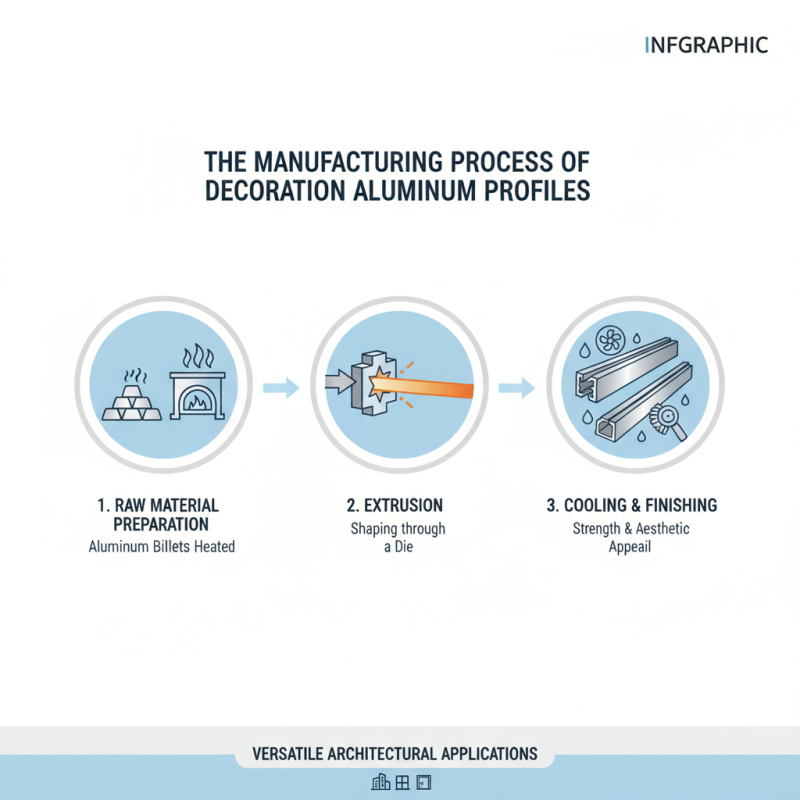
Decoration aluminum profiles are versatile materials widely used in various architectural applications. The manufacturing process of these profiles is intricate and requires precision. Initially, raw aluminum billets are heated and extruded through a die to create the desired shape. This process sets the foundation for the profile's strength and aesthetic appeal.
After extrusion, the profiles undergo an aging process. This process enhances their durability and hardness. However, imperfections may occur during machining or finishing. These variations can affect the final product's quality. It's crucial for manufacturers to monitor and adjust their processes regularly to minimize such issues.
Tips: Always source aluminum from reliable suppliers. This ensures consistent quality. Regular maintenance of machinery can also enhance the production quality. Proper training for operators can lead to fewer mistakes. Keeping track of production batches helps in identifying variations early.
Finally, profiles are often anodized or coated to improve corrosion resistance and surface finish. This offers a wide range of colors and textures, allowing for creative designs. However, achieving a uniform finish can sometimes be challenging. Attention to detail during the coating process is essential for high-quality results.
Advantages of Using Decoration Aluminum Profiles in Design
Decoration aluminum profiles are gaining popularity in modern design. They offer numerous advantages that make them an ideal choice for various applications. One significant benefit is their lightweight nature. This characteristic allows for easy handling and installation, reducing labor costs. Another advantage is their durability. Aluminum profiles resist corrosion and wear, ensuring a long-lasting aesthetic appeal.
Using decoration aluminum profiles enhances visual appeal. They can be easily customized to fit different themes and color schemes. Designers appreciate the versatility of these profiles. They can be used in wall paneling, lighting fixtures, and furniture design. This adaptability meets diverse design needs and preferences.
**Tip:** Always measure accurately before selecting profiles. Even slight miscalculations can lead to challenges during installation.
Moreover, aluminum profiles are eco-friendly. They are recyclable, minimizing environmental impact. This aspect appeals to sustainability-conscious designers and clients alike. However, it’s essential to choose the right finish. Some finishes may require more maintenance than others.
**Tip:** Test different finishes on samples. This will help you determine which works best for your design goals.
Usage of Decoration Aluminum Profiles in Design