10 Essential Tips for Choosing the Right Aluminum Extrusion Press Machine?
Choosing the right Aluminum Extrusion Press Machine is crucial for optimal production. Industry expert John Stevenson, a leading figure in aluminum processing, once stated, "The right press can transform your production capabilities." This highlights the importance of selecting a suitable machine.
When considering an Aluminum Extrusion Press Machine, factors like size, capacity, and efficiency should be at the forefront. Each decision impacts the end product quality and production speed. A poorly chosen machine may lead to wasted materials and time. It's essential to evaluate both your current needs and future growth potential.
Understanding the technology behind these machines also matters. Many users overlook mechanical specifications, which can lead to complications. Reflecting on machine compatibility with existing systems is beneficial. By focusing on these aspects, companies can invest wisely, ensuring long-term success in aluminum extrusion.
Understanding Aluminum Extrusion: Basics and Benefits
Aluminum extrusion is a vital process in manufacturing today. It allows for the creation of complex shapes and structures. This versatility contributes to its growing popularity in various industries, such as automotive, aerospace, and construction. According to industry reports, the aluminum extrusion market is expected to reach $83 billion by 2026, driven by increased demand for lightweight and durable materials.
Understanding the aluminum extrusion process is crucial. This involves pushing aluminum through a shaped die, resulting in long sections with a consistent cross-section. The benefits are numerous. Extruded aluminum is lightweight yet strong, making it ideal for many applications. It also offers good corrosion resistance, enhancing the lifespan of products. Despite these advantages, not all aluminum extrusion presses yield the same quality. Companies must carefully assess the machinery they choose. Reliable machines minimize waste and improve efficiency, which ultimately impacts profitability.
However, some challenges exist. Companies must ensure proper training for operators. An untrained team can lead to production errors and wasted materials. Proper machine maintenance is another concern. Neglect can lead to increased downtime and repair costs. Thus, a strategic approach is essential when choosing a press machine for aluminum extrusion. The right choice can elevate product quality and performance while maintaining cost-effectiveness.
Identifying Key Specifications for Extrusion Press Machines
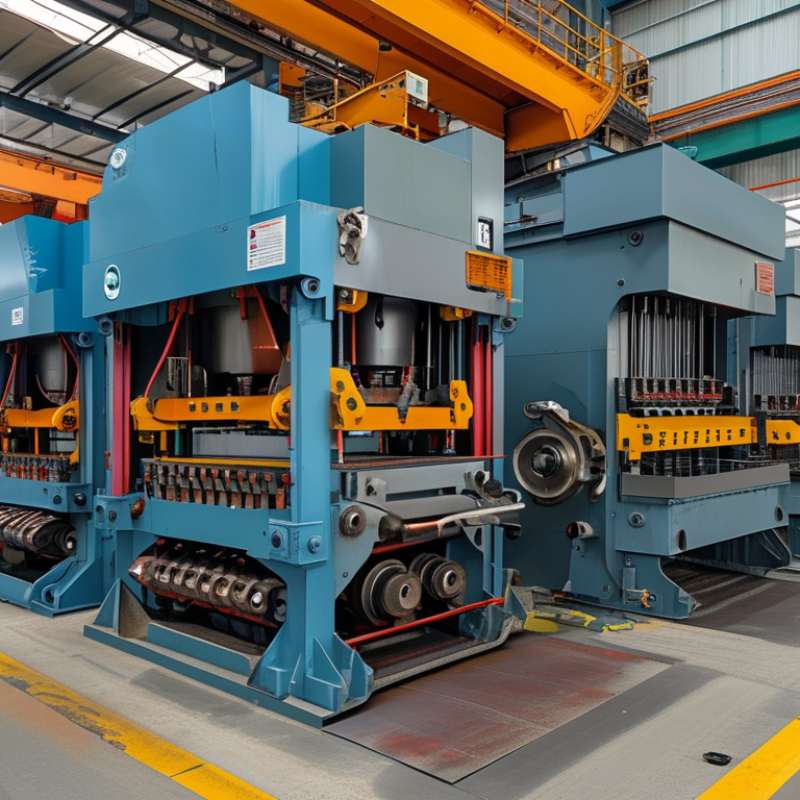
When selecting an aluminum extrusion press machine, key specifications are critical. Understanding these can significantly affect production efficiency and product quality. Industry reports highlight that the press capacity is a primary consideration. Most machines range from 1,000 to over 8,000 tons. Choosing the right capacity ensures the machine can handle your production needs without excessive operational costs.
Another essential factor is the design of the press. Hydraulic and mechanical presses serve different purposes. Hydraulic presses offer greater power and flexibility, making them ideal for complex shapes. However, mechanical presses typically provide higher speeds and efficiency. Reports indicate that nearly 60% of manufacturers prefer hydraulic presses for their adaptability. However, this choice might lead to additional maintenance needs.
Temperature control plays a crucial role in aluminum extrusion. Effective temperature management helps maintain material quality. Machines should have precise thermal regulation systems to prevent defects. About 30% of extrusion defects stem from improper temperature settings. This highlights the importance of investing in equipment with reliable temperature monitoring features. These considerations can lead to better productivity and reduced costs in the long run.
10 Essential Tips for Choosing the Right Aluminum Extrusion Press Machine
| Specification |
Importance |
Recommended Value |
| Press Capacity |
Determines the maximum material that can be extruded. |
800-2000 tons |
| Press Speed |
Affects the efficiency of production. |
0.5-3 m/min |
| Temperature Control |
Crucial for material properties and output quality. |
400-550 °C |
| Die Design Compatibility |
Required for versatility in production. |
Customizable options |
| Control System |
Influences operational accuracy and ease of use. |
PLC or CNC control |
| Footprint |
Determines the space required for installation. |
Varies, typically 10-30 m² |
| Energy Efficiency |
Impacts operating costs and environmental footprint. |
Low energy consumption models |
| Maintenance Accessibility |
Important for long-term operation and costs. |
Easy access points |
| Safety Features |
Necessary for protecting operators and equipment. |
Multiple safety interlocks |
| After-Sales Support |
Helps in maintenance and parts availability. |
Comprehensive support packages |
Evaluating Machine Size and Capacity for Your Production Needs
Choosing the right aluminum extrusion press machine requires careful consideration, especially regarding size and capacity. The machine's dimensions should align with your production space. A compact machine might suit small operations, but larger productions need more robust equipment. Evaluate the floor space and ceiling height to avoid installation issues down the line.
Capacity is another critical aspect. It's essential to analyze your production volume. A machine that’s too small can lead to bottlenecks. Conversely, an oversized machine may result in unnecessary energy costs. Think about your growth projections too. Will you scale up production in the next few years? If so, selecting a machine with a bit of extra capacity might save you from future upgrades.
Take time to consider what materials you'll be extruding. Different alloys might require specific adjustments in machine size. This could impact extrusion speed and quality. Reflection on past production challenges is useful. Were there times when the machinery wasn’t adequate? Acknowledging these moments can guide your decision. A well-informed choice can improve efficiency and overall productivity in the long run.
Assessing Energy Efficiency and Operating Costs of Extrusion Machines
When selecting an aluminum extrusion press machine, energy efficiency and operating costs are critical factors. Machines that utilize advanced technology often offer better energy savings. Look for models with variable speed drives. They can adjust motor speed based on demand. This feature not only optimizes power consumption but also prolongs equipment lifespan. Regular maintenance is essential. It helps maintain energy efficiency and prevent unexpected failures.
Calculating the total operating costs is also necessary. These costs include energy, maintenance, and labor. Operators should consider energy source types, like electricity or gas. Some sources are more cost-effective than others. It's useful to analyze historical data on machine performance. This can reveal trends and help in making informed decisions.
Not all machines perform well in every setting. Some may consume excessive energy in specific conditions. It's essential to review real-world performance reports from users. Gathering feedback provides insight into potential drawbacks.
Consider both the upfront costs and long-term expenses. A machine may seem cheaper initially, but hidden costs can be significant over time. Always weigh the pros and cons carefully.
Considering Manufacturer Reputation and Support Services
When selecting an aluminum extrusion press machine, evaluating the manufacturer’s reputation is paramount. A company with a solid track record demonstrates reliability and quality. Look for manufacturers with years of experience in the industry. This experience often translates into better engineering practices and innovations. Online reviews and testimonials can provide insight into the manufacturer’s reliability. However, remember that not all reviews are genuine.
Support services play a crucial role in your decision-making process. Efficient service can significantly reduce downtime, which is vital for productivity. Inquire about their after-sales support and maintenance options. A reliable manufacturer should offer comprehensive training, technical support, and easy access to replacement parts. It’s beneficial to connect with other users to understand their experiences with the manufacturer’s support.
While it may be tempting to choose a manufacturer solely based on price, this can lead to regret. A lower price often implies a compromise on quality or support. Reflect on your needs and long-term goals. Selecting a manufacturer that aligns with your values ensures greater satisfaction and efficiency down the line. Balancing cost with quality and support is essential for making a prudent choice.