10 Essential Tips for Choosing the Right Aluminum Frame Profile Guide?
Choosing the right Aluminum Frame Profile is crucial for ensuring structural integrity and aesthetic appeal in various applications. Experts indicate that the global demand for aluminum profiles is projected to reach over 24 million tons by 2025. This reflects an increasing preference for lightweight and durable construction materials. According to Dr. Robert Truelove, a leading consultant in aluminum applications, "The right profile can significantly enhance product performance and design flexibility."
It is essential to consider several factors when selecting Aluminum Frame Profiles. The intended application, load-bearing requirements, and environmental conditions play vital roles. Misjudgment in any of these aspects can lead to costly renovations or compromised safety. Industry research shows that over 30% of projects face setbacks due to improper material choices.
Moreover, understanding the properties of different aluminum alloys and their respective profiles is complex. This complexity often leads to decisions based on aesthetics rather than functionality. The challenge lies in balancing design needs with structural requirements. As you navigate this process, remember the potential for improvement lies in informed decision-making. That way, you can make choices that better serve both immediate needs and long-term goals.
Understanding Aluminum Frame Profiles: Material Strength and Durability
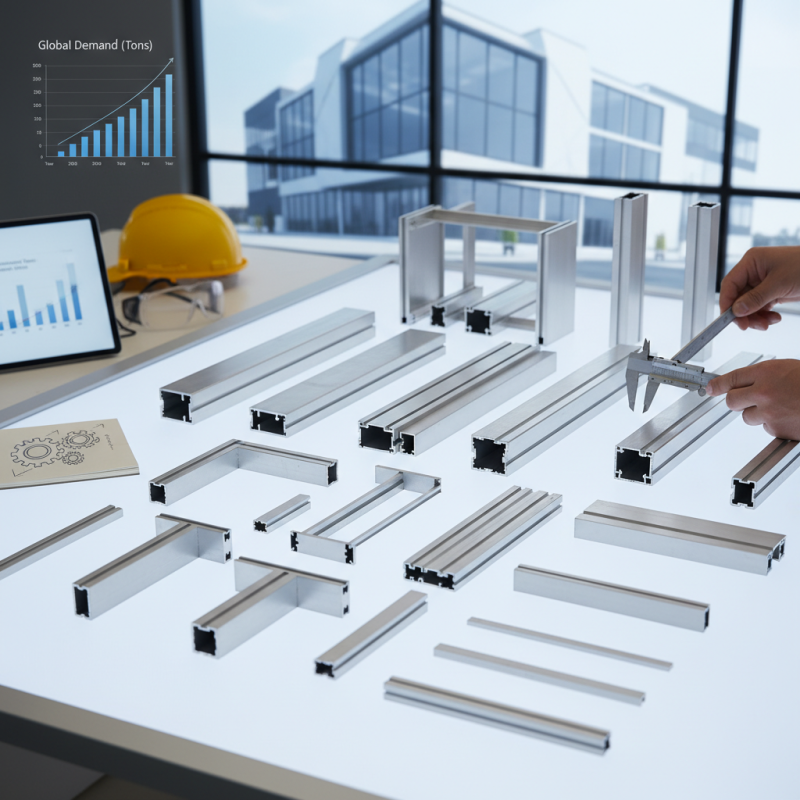
When choosing the right aluminum frame profiles, understanding material strength and durability is crucial. Aluminum is known for its lightweight nature and resistance to corrosion. However, not all aluminum profiles have the same structural integrity. The alloy used can significantly affect strength. Commonly used alloys like 6061 and 6063 vary in tensile strength and flexibility. Choosing the right alloy ensures long-lasting performance in various environments.
The design of the frame also matters. Thicker profiles can provide additional strength but may weigh more. Conversely, thinner profiles reduce weight but might not support heavy loads. It’s essential to consider the intended application. For example, some projects demand higher load capacity. Others prioritize aesthetic appeal with sleek, minimal designs. Choosing a profile with optimal strength-to-weight ratio is key for durability.
Pay attention to finishes as well. Anodizing protects aluminum, enhancing its lifespan. However, not all anodized surfaces are equal. The thickness of the anodized layer influences resistance to wear and tear. Scratches or dents can compromise the protective layer. Understanding these nuances helps make informed decisions. The right choice balances strength, weight, and aesthetics while meeting specific project needs.
10 Essential Tips for Choosing the Right Aluminum Frame Profile Guide
| Tip Number |
Tip Description |
Considerations |
Material Strength |
Durability |
| 1 |
Choose the right alloy |
Consider usage conditions |
High strength alloys (e.g., 6061) |
Corrosion-resistant |
| 2 |
Check the thickness |
Ensure it meets structural requirements |
Standard thickness: 1.5mm - 3.0mm |
Impact-resistant |
| 3 |
Select the proper profile shape |
Ensure it fits your application |
Square, rectangular, or custom shapes |
Versatile for various structures |
| 4 |
Evaluate weight-to-strength ratio |
Balance weight and load requirements |
Light and strong options |
Suitable for mobile applications |
| 5 |
Consider finish options |
Aesthetic and protective properties |
Anodized, powder-coated |
Enhanced durability |
| 6 |
Check for suppliers’ certifications |
Quality assurance standards |
ISO, ASTM compliance |
Assured material integrity |
| 7 |
Consider thermal conductivity |
Heat resistance in applications |
Good conductor |
Suitable for thermal management |
| 8 |
Look into joining methods |
Ease of assembly |
Welding, riveting, or bolting |
Structural stability |
| 9 |
Assess environmental impact |
Sustainable sourcing |
Recyclable material |
Long-term sustainability |
| 10 |
Get expert advice |
Consult professionals |
Expert recommendations |
Ensure best practices |
Key Structural Considerations for Aluminum Frame Profile Design
When designing aluminum frame profiles, structural integrity is crucial. Engineers stress that the choice of profile directly impacts load-bearing capabilities. Research indicates that well-calculated profiles can increase safety margins by up to 30%. The right geometry maximizes strength while minimizing weight. Hollow sections often provide these advantages, as they distribute stress more evenly.
Tip: Consider the intended application. Different projects require varied strength levels. A frame for light-duty tasks may not suffice for heavy-duty use. Evaluating project specifics helps in making informed choices.
Another key factor is the environmental conditions. Aluminum’s corrosion resistance is excellent, but certain environments may require additional treatments. According to industry reports, specialized coatings can extend lifespan by 50% in harsh settings. Think about where your frame will be used to ensure durability.
Tip: Always verify load specifications. Misestimating can lead to costly failures. Checking the latest data and consulting with experts can save time and money down the road.
In summary, prioritize structural considerations to achieve optimal design in aluminum frame profiles. Each project may present unique challenges that demand thoughtful evaluation. Consider your choices carefully; it pays off in the long run.
Assessing Thermal Conductivity in Aluminum Frame Profiles for Energy Efficiency
When selecting the right aluminum frame profile, thermal conductivity is a crucial factor. It influences a building's energy efficiency. Aluminum can conduct heat easily, leading to unwanted energy loss. Profiles with thermal breaks can mitigate this problem, enhancing insulation.
Evaluating thermal performance requires specific attention to design. Look for profiles that integrate insulation materials. This can significantly reduce heat transfer. Some profiles lack sufficient thermal breaks. This can result in higher energy costs over time. Be careful when assessing technical specifications; some data can be misleading.
Consider climate when making your choice. In colder regions, thermal efficiency is vital for comfort. Profiles designed for cold climates often feature advanced insulation techniques. Test the temperature and heat loss in similar structures. Real-world examples provide insight into performance. Reflect on past decisions and their energy impacts. Ensuring long-term efficiency will save both energy and costs.
Assessing Thermal Conductivity in Aluminum Frame Profiles for Energy Efficiency
Exploring Surface Treatments: Corrosion Resistance in Aluminum Frames
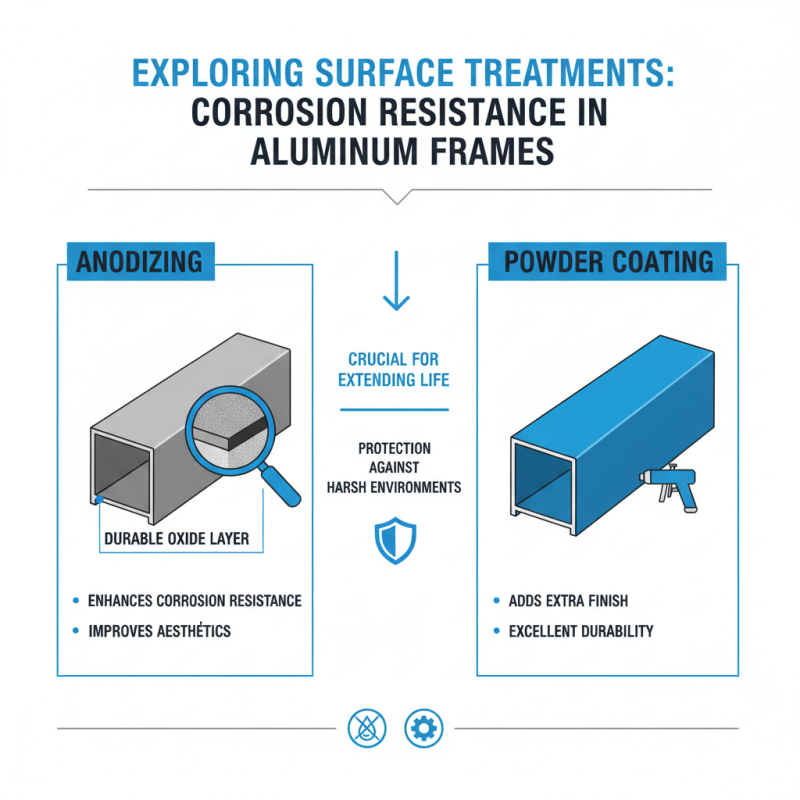
When selecting aluminum frame profiles, surface treatment is crucial. Corrosion resistance plays a key role in extending the life of aluminum structures. Various treatments are available, each offering unique protection levels against harsh environments. Anodizing and powder coating are popular choices. Anodizing provides a durable, protective oxide layer. This layer enhances corrosion resistance and improves aesthetics. Powder coating adds an extra finish and offers excellent durability.
Understanding environmental factors is essential when choosing treatments. Coastal areas with salty air can corrode untreated aluminum quickly. In contrast, anodized frames perform well in such conditions. However, they may not be as visually appealing as powder-coated options. Consider the frame's application. Will it be indoors or exposed to the elements? This decision impacts the required surface treatment.
Reflecting on installation practices is also vital. Poorly applied treatments may fail, resulting in rust or flaking. Regular maintenance can help identify potential issues early. Signs of wear can include dullness or peeling paint. Choosing the right treatment requires careful thought and knowledge. It's a balancing act between function and appearance. Ultimately, understanding corrosion resistance is essential for making informed decisions.
Cost Analysis: Budgeting for Quality Aluminum Frame Profiles in Projects
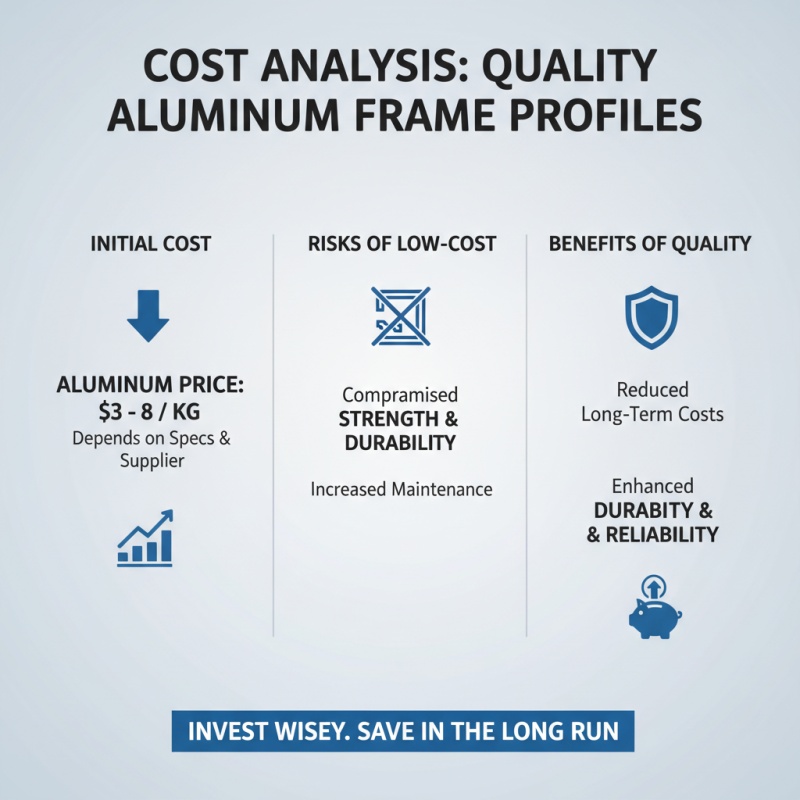
When budgeting for aluminum frame profiles, it's crucial to understand the associated costs. Industry research shows that the price of quality aluminum can range from $3 to $8 per kilogram, depending on the specifications and supplier. This variability means that a careful evaluation can significantly influence project expenses. While lower-cost options may seem appealing, they often compromise strength and durability. Investing in high-quality aluminum can reduce long-term maintenance costs.
Another consideration is the sourcing of materials. Using regional suppliers can help mitigate shipping costs. Data from the Aluminum Association indicates that local sourcing can reduce logistics expenses by up to 30%. Additionally, establish a comprehensive cost analysis that includes fabrication and assembly. Many projects overlook these hidden costs, leading to budget overruns.
Mindful planning ensures you invest wisely. Overlooking quality for low price can lead to costly repairs or replacements. The balance between cost and quality is delicate. Regularly assess your materials in conjunction with your project's requirements. Reflect on past purchasing decisions to better inform future selections. This approach enhances project sustainability while aligning with budgetary constraints.