
INQUIRY
Inquiry
Form loading...

10 Essential Tips for Successful Aluminum Profile Extrusion Process?

In the competitive world of manufacturing, mastering the Aluminum Profile Extrusion process is crucial. Industry expert John Smith states, "Precision in every step defines product quality." His words remind us that attention to detail can set a business apart.

The Aluminum Profile Extrusion process involves heating aluminum billets and forcing them through shaped dies. This technique shapes materials into versatile profiles. However, achieving optimal results is not always straightforward. Each stage of extrusion holds potential pitfalls that can affect the final product.

For many manufacturers, achieving consistency remains a challenge. Temperature control, die design, and material choice play critical roles. It's essential to invest time in understanding these key factors. Reflection on past mistakes can guide improvements. Ultimately, success hinges on a combination of experience, knowledge, and a commitment to quality.
10 Essential Tips for Successful Aluminum Profile Extrusion Process?

Understanding the Basics of Aluminum Profile Extrusion Technology

Aluminum profile extrusion is a vital manufacturing process. It involves converting aluminum alloys into precise shapes. Understanding this process is essential for achieving successful results.


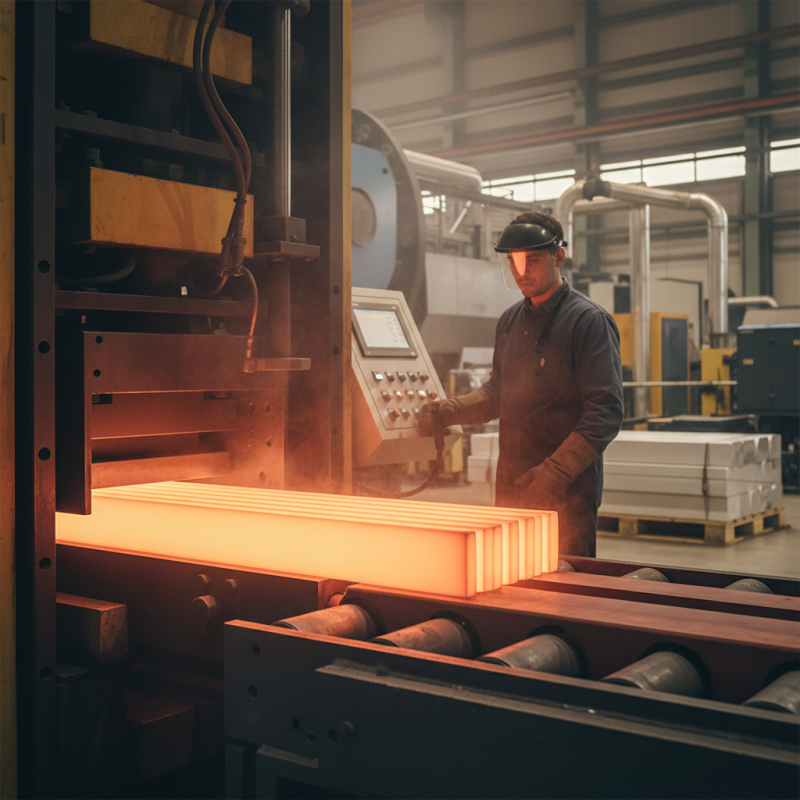
The process begins with heating aluminum billets. The temperature must be carefully controlled. Too hot, and the metal becomes too malleable. Too cool, and it won’t flow properly. The extruding die shapes the aluminum as it is pushed through, creating profiles. Precision in die design is key. A small flaw can lead to defects in the finished product.


Post-extrusion processes include cooling and cutting. Cooling must be uniform to avoid warping. However, operators often overlook this step, resulting in uneven shapes. Regular monitoring is essential to ensure quality. This process is not without challenges. Each aluminum alloy behaves differently. Understanding these nuances can significantly impact the final profile. Constant testing and adjustments may be necessary to achieve the ideal outcome.

Key Considerations for Material Selection in Aluminum Extrusion

Material selection is crucial in the aluminum extrusion process. The wrong choice can lead to defects and increased costs. Consider the alloy's strength and weight. Some applications need lightweight materials. Others may prioritize strength. Evaluate the environment, too. Corrosive conditions require special alloys.

For successful extrusion, here are some tips. Always check the alloy specifications. Certain alloys are best for specific applications. Temperature plays a key role in extrusion. Pay attention to the melting point and flow characteristics. Adjustments may be necessary during production.

Machining needs also matter. Some profiles require extensive machining after extrusion. Others need minimal processing. Know your end-use requirements clearly. A fit-for-purpose approach is vital. Remember that not all alloys perform the same in every situation. Testing samples can reveal potential issues.

Optimizing Temperature Control for Efficient Extrusion Process

Temperature control is critical in the aluminum profile extrusion process. Maintaining optimal temperatures ensures the material flows smoothly. If the temperature is too low, the aluminum may become brittle. This can lead to uneven extrusion and defects in the final product. On the other hand, excessively high temperatures can cause oxidation. The material can lose strength, resulting in a poor-quality profile.

Monitoring temperatures closely is essential. A reliable thermometer should be used along the extrusion line. Regular checks help to ensure the process stays within the ideal range. It’s important to remember that variations in ambient temperature can affect the overall process. These external factors can cause fluctuations, so adjustments may be necessary. Inadequate systems might fail to account for these changes, leading to inefficient production.

Training the team on temperature control is often overlooked. Workers should understand how temperature impacts extrusion. If they notice irregularities, timely intervention is crucial. Documenting these observations can help improve process efficiency over time. Emphasizing the importance of temperature can help prevent common errors. Without proper understanding, the extrusion process may struggle, leading to increased waste and costs.

Essential Equipment and Maintenance for Successful Extrusion

When it comes to aluminum profile extrusion, the right equipment is crucial. An extrusion press is the heart of the process. It shapes the aluminum into various profiles. Regular maintenance on this machine can prevent costly downtime. Operators need to check for vibrations or unusual noises. These are signs that something may be wrong.

Another key piece of equipment is the die. A poorly maintained die can lead to defects. Cleaning and inspecting dies is essential for consistent quality. Additionally, keep an eye on the temperature of the aluminum. If it's not heated properly, the extrusion will not meet specifications.

Tip: Maintaining a clean work environment helps reduce contamination. Contaminants can compromise the final product. Inspections should be routine, addressing any minor issues before they escalate. Remember, perfecting the extrusion process involves constant learning and adaptation. A simple oversight can lead to major production setbacks. Keep refining techniques and equipment care to stay successful in the industry.

10 Essential Tips for Successful Aluminum Profile Extrusion Process

Tip Description Essential Equipment Maintenance Tips
1. Choose the Right Alloy Select an aluminum alloy that best suits your desired mechanical properties and application. Alloy Composition Analyzer Regularly check and calibrate the analyzer.
2. Optimize Die Design A well-designed die can significantly improve flow and reduce defects. Die Design Software Keep software updated and analyze die performance.
3. Control Extrusion Temperature Maintaining the proper temperature is critical for achieving the desired properties. Temperature Control System Perform regular maintenance checks on temperature sensors.
4. Adjusting Extrusion Speed Finding the optimal extrusion speed helps prevent defects and ensures quality. Speed Control System Regularly inspect and calibrate speed control devices.
5. Maintain Lubrication Proper lubrication helps reduce wear and tear on machinery. Lubricating System Establish a routine lubrication schedule.
6. Quality Control Checks Implementing QC checks ensures consistency and defects are caught early. Quality Assurance Tools Conduct regular audits of the quality control process.
7. Proper Cooling Techniques Effective cooling can prevent surface defects and improve the overall quality of the extruded product. Cooling Conveyor Systems Regularly check the coolant levels and system efficiency.
8. Staff Training Well-trained staff is critical for handling complex extrusion processes efficiently. Training Modules Provide ongoing training and updates on new technologies.
9. Preventive Maintenance Regular maintenance checks can prevent costly breakdowns and downtime. Maintenance Management Software Schedule and document all maintenance activities.
10. Analyze Extrusion Data Utilizing production data helps optimize the extrusion process for better results. Data Analysis Software Regularly review data for patterns and areas of improvement.

Quality Assurance and Testing Procedures for Extruded Aluminum Profiles

10 Essential Tips for Successful Aluminum Profile Extrusion Process?

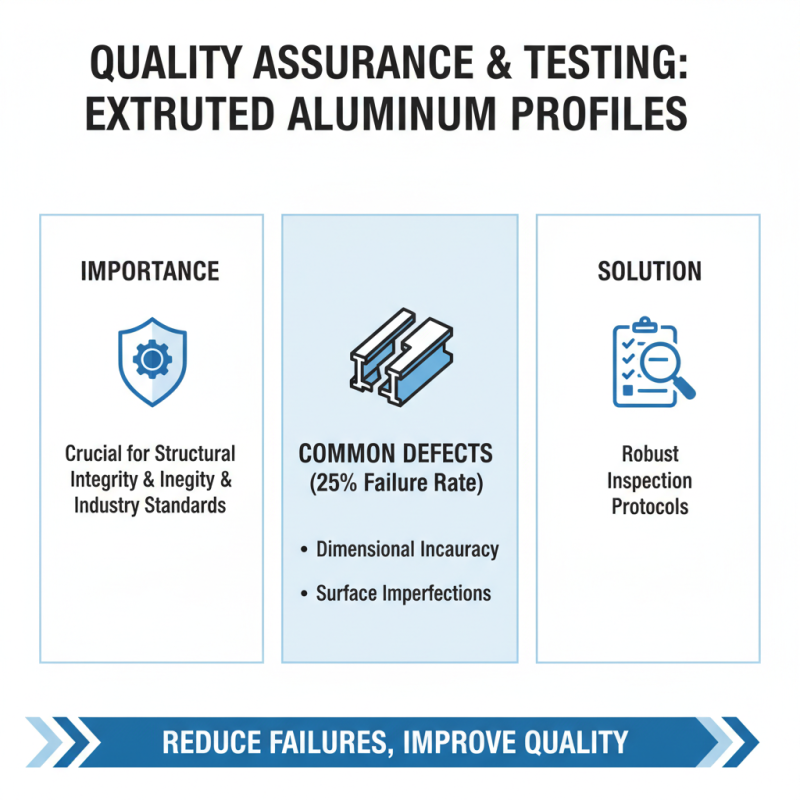
In the aluminum extrusion industry, quality assurance is crucial for maintaining the structural integrity of profiles. Various testing procedures ensure that extruded aluminum meets industry standards. According to recent industry data, approximately 25% of extruded profiles fail initial tests due to defects. These defects may include dimensional inaccuracies or surface imperfections. Implementing robust inspection protocols can significantly reduce these failures.

Employing non-destructive testing methods, such as ultrasonic testing or visual inspections, is essential. These techniques help identify internal and external defects without damaging the material. Moreover, using automated monitoring systems during the extrusion process provides real-time data on temperature and pressure, vital for ensuring optimal quality. However, reliance on technology alone is not foolproof; human oversight remains necessary to catch any discrepancies.

Continuous training for quality control personnel is invaluable. Regular workshops can keep the team updated on best practices and emerging testing technologies. Nevertheless, this experience varies among staff, leading to inconsistent results in quality assurance. Addressing these challenges proactively can lead to better compliance with international standards, enhancing the credibility of extruded aluminum profiles in competitive markets.