What is Silver Aluminum Profile and Its Applications for Buyers?
In the innovative realm of construction and design, the "Silver Aluminum Profile" stands out for its versatility and durability. Industry expert Dr. Emily Chen, a leading material scientist, emphasizes, "Silver Aluminum Profiles offer the ideal blend of aesthetics and strength for modern applications." This material has transformed many sectors, from architecture to consumer electronics, by providing lightweight yet strong framing solutions.
Adopting a silver aluminum profile can enhance both functionality and visual appeal. For designers, it presents an opportunity to create sleek and modern products without compromising structural integrity. Yet, some remain unaware of the specific benefits these profiles bring. For example, they resist corrosion, which is essential in humid environments. However, a common oversight is choosing the wrong finish, which may affect longevity.
An investment in silver aluminum profiles might be daunting for newcomers. They often worry about costs and practicality. Understanding the diverse applications can ease these concerns. Whether it’s for shelving units or window frames, this material proves reliable. Embracing its advantages could lead to more innovative, sustainable solutions.
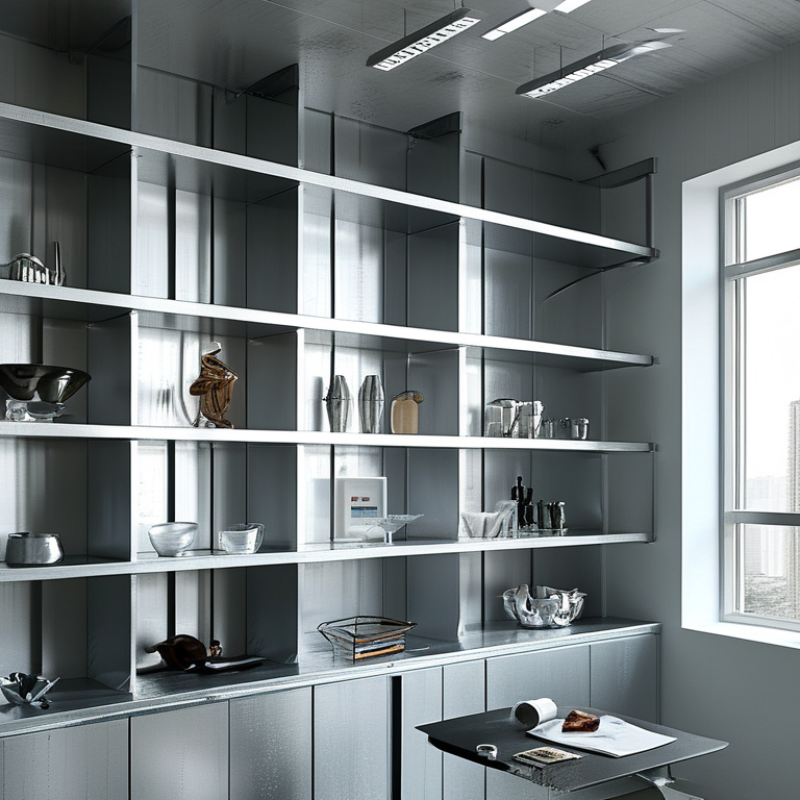
Definition and Characteristics of Silver Aluminum Profiles
Silver aluminum profiles are popular among various industries due to their unique characteristics. These profiles are lightweight, corrosion-resistant, and possess excellent strength-to-weight ratios. According to a recent industry report, the demand for aluminum profiles is projected to reach $150 billion by 2026, reflecting a growing reliance on this versatile material.
One distinct feature of silver aluminum profiles is their aesthetic appeal. They can be easily integrated into both modern and traditional designs. Additionally, they offer good thermal conductivity, which is essential in applications like heat sinks and facade systems. The finish of these profiles can be anodized, adding durability and a sleek look.
Tips: When selecting silver aluminum profiles, consider their intended application. Ensure the profile meets the structural requirements for safety and performance. Investigate the compatibility with other materials as well.
The environmental impact of aluminum production is a consideration for buyers. Producing aluminum is energy-intensive, leading to significant CO2 emissions. However, recyclable qualities of aluminum can mitigate long-term environmental effects. Always reflect on the sustainability of your choices in material sourcing.
Common Types of Silver Aluminum Profiles and Their Uses
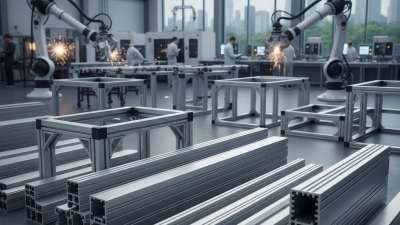
Silver aluminum profiles have gained popularity across various industries due to their versatility and durability. Common types include T-slot profiles, U-channels, and angle bars. T-slot profiles are especially favored in modular constructions. They facilitate easy assembly and adjustment, making them ideal for custom frames or workstations. According to the 2022 Global Aluminum Market Report, modular aluminum structures are projected to grow at a CAGR of 5.6% through 2028.
U-channels are widely used in construction and manufacturing. They provide support and are often utilized in partition walls. The structure allows for easy integration with other materials, enhancing overall stability. Angle bars, on the other hand, offer excellent load-bearing capabilities. They serve in furniture assembly and industrial applications. These profiles have an average strength-to-weight ratio that is 20% higher than traditional materials, as noted in the Aluminum Association's research.
While silver aluminum profiles are lightweight and corrosion-resistant, some issues need consideration. Misalignment during assembly can compromise structural integrity. Furthermore, cutting and machining these profiles can lead to surface scratches, affecting their aesthetic appeal. Buyers should weigh the benefits against potential challenges to ensure suitability for their specific applications.
What is Silver Aluminum Profile and Its Applications for Buyers? - Common Types of Silver Aluminum Profiles and Their Uses
| Type of Silver Aluminum Profile |
Description |
Common Applications |
| T-Slot Profiles |
Aluminum profiles with T-slots for flexibility in assembly. |
Machine frames, enclosures, workstations. |
| Angle Profiles |
L-shaped profiles used for corner structures. |
Supports for shelves, frames, and structures. |
| U-Profiles |
U-shaped sections for added strength and support. |
Rails, guides, and structural components. |
| Flat Bars |
Flat, rectangular bars for various applications. |
Brackets, supports, and reinforcement. |
| Round Tubes |
Cylindrical profiles suitable for various fittings. |
Railings, frames, and lightweight structures. |
Advantages of Using Silver Aluminum Profiles in Various Industries
Silver aluminum profiles have gained popularity across various industries due to their unique properties. These profiles are lightweight yet strong, making them ideal for structural applications. According to a recent market report, the global aluminum profile market is expected to grow at a CAGR of 5.7% from 2021 to 2026. This growth is propelled by the increasing demand for durable and efficient materials in construction, automotive, and manufacturing sectors.
One of the key advantages of silver aluminum profiles is their corrosion resistance. This property extends the lifespan of products, reducing maintenance costs. Reports indicate that corrosion-related issues can lead to significant expenses, sometimes exceeding $200 billion annually in the U.S. alone. Additionally, aluminum profiles can be easily fabricated, allowing for diverse applications. Industries adopt these profiles for frameworks, enclosures, and supports, showcasing their versatility.
Moreover, silver aluminum profiles are eco-friendly. They are fully recyclable, which aligns with the growing emphasis on sustainable practices. A study emphasizes that aluminum recycling saves more than 90% of energy compared to producing new aluminum. However, the industry still faces challenges. Manufacturing inconsistencies and quality control issues remain prevalent, warranting cautious procurement practices. Buyers must evaluate suppliers carefully to ensure reliable material.
Advantages of Using Silver Aluminum Profiles in Various Industries
This bar chart illustrates the various applications of silver aluminum profiles across multiple industries including construction, transportation, electronics, aerospace, and furniture. The data represents the number of applications observed in each industry, highlighting the versatility and demand for silver aluminum profiles.
Key Considerations for Buyers When Selecting Silver Aluminum Profiles
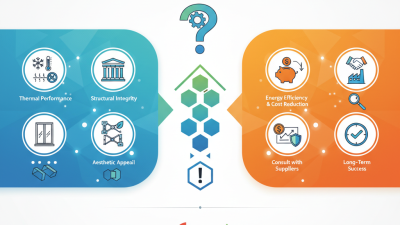
When selecting silver aluminum profiles, buyers must consider several key factors.
Durability is crucial. Profiles made from high-quality aluminum are resistant to corrosion and wear.
This resilience ensures a long lifespan, even in challenging environments. It's essential to assess the thickness of the aluminum.
Thicker profiles generally offer greater strength but may also increase weight.
Design flexibility is another important consideration.
Buyers should evaluate the range of available shapes and sizes. Profiles that can be customized to specific applications will enhance functionality.
Additionally, attachment methods must be reviewed. Some profiles offer easier installation through pre-drilled holes
while others may require additional tools.
Cost is a primary concern for many buyers. It's tempting to choose cheaper options, but this may lead to quality compromises.
Cheaper profiles may warp or bend, resulting in unexpected expenses. Consider the long-term value rather than just the upfront price.
Lastly, think about the profile's finish. A high-quality finish not only improves aesthetics but also protects against harsh weather conditions.
Maintenance and Care Tips for Silver Aluminum Profiles
Silver aluminum profiles are widely used in construction and manufacturing due to their strength and lightweight nature. However, maintaining these profiles is essential for longevity. Regular cleaning is crucial. Simple soap and water can remove dirt and grime. Avoid abrasive materials that can scratch the surface. A gentle cloth works best.
Environmental factors play a significant role in aluminum maintenance. Prolonged exposure to moisture can lead to corrosion. Consider using protective coatings to reduce this risk. Inspecting the profiles annually for signs of wear or damage can prevent more extensive issues later. It’s easy to overlook small scratches, but they can grow over time.
In addition to cleaning, proper storage is vital. Store your aluminum profiles in a dry environment. Keep them away from harsh chemicals that could cause deterioration. Maintenance is often forgotten but is essential for durability. An ounce of prevention can save time and money in the long run. Stay vigilant about care practices, and your silver aluminum profiles will serve you well.