Top 10 Aluminum Extrusion Applications You Should Know?
Aluminum extrusion is a versatile manufacturing process widely used across various industries. According to a recent market analysis, the global aluminum extrusion market is projected to reach $60 billion by 2027, driven by increased demand in sectors such as automotive, construction, and electronics. This process allows the creation of complex shapes and designs that are lightweight yet strong, making aluminum an ideal choice for modern applications.
However, not all applications fully utilize the benefits of aluminum extrusion. Many companies still rely on traditional materials, missing out on the efficiencies and durability aluminum can provide. For instance, in the construction industry, aluminum frames and supports can significantly reduce weight while maintaining structural integrity. Nevertheless, the transition to aluminum extrusion can pose challenges, such as higher initial costs and a need for specialized machinery.
As industries evolve, the demand for innovative solutions continues to grow. The advancement of technologies, including AI in sourcing and logistics, reflects this trend. Companies must rethink their material choices to stay competitive and leverage the advantages of aluminum extrusion. Embracing these changes can lead to improved product performance and sustainability.

Key Properties of Aluminum That Make It Ideal for Extrusion
Aluminum extrusion relies on the unique properties of aluminum, making it a popular choice for various applications. The lightweight nature of aluminum is one of its most notable features. It is about one-third the weight of steel while offering equivalent strength. A report from the Aluminum Association indicates that this lightweight quality can improve fuel efficiency in transportation applications by up to 30%.
Corrosion resistance is another key property. Aluminum naturally forms a protective oxide layer, shielding it from environmental damage. This attribute is crucial for applications in harsh environments. This is backed by studies suggesting aluminum structures can last more than 50 years with minimal maintenance. The versatility of aluminum also stands out. It can be easily extruded into complex shapes, allowing for innovative designs and applications in architecture and engineering.
However, challenges persist. The extrusion process can produce waste material, which may not always be recycled efficiently. This brings into question sustainable practices in production. Furthermore, welding aluminum requires specialized techniques due to its thermal conductivity, which can complicate manufacturing processes. Despite these issues, the benefits of aluminum extrusion remain significant, reflecting ongoing advancements and research in the industry.
Top 10 Aluminum Extrusion Applications You Should Know
Overview of the Aluminum Extrusion Process and Techniques
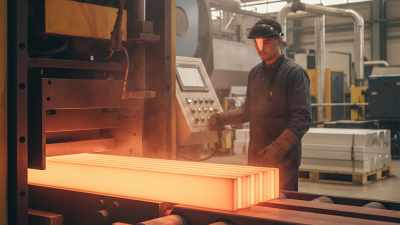
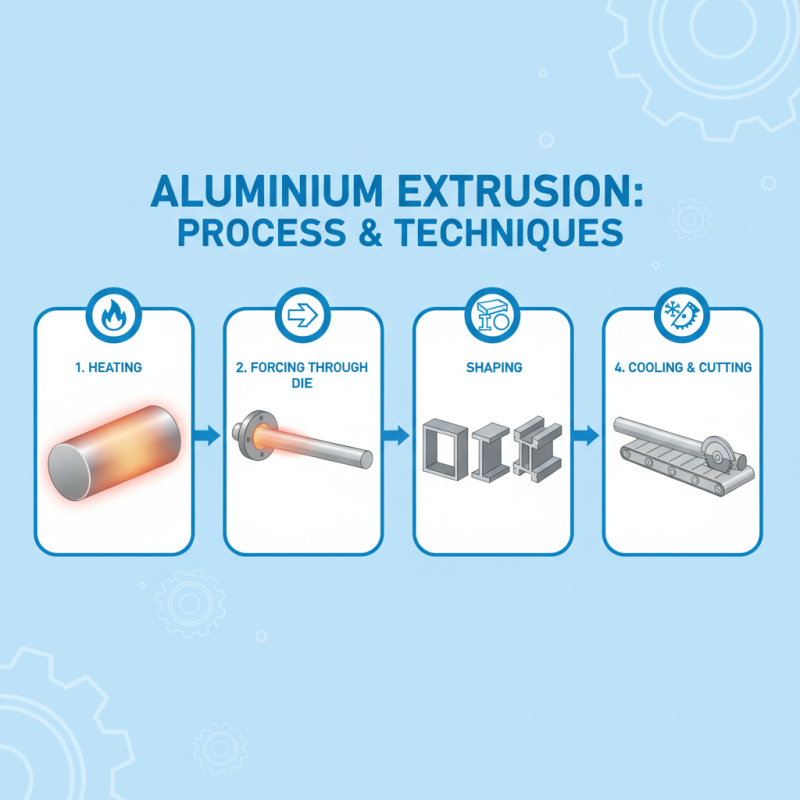
The aluminum extrusion process is essential for creating various products. It starts with heating aluminum billets. These raw materials are then forced through a die. This creates a specific shape. The shapes can vary widely, depending on the design.
The extrusion techniques can differ. For example, direct extrusion is straightforward. Indirect extrusion, however, may require more complex setups. Each technique has its own advantages and challenges. Precision is vital in this process. Any miscalculation can lead to waste.
**Tip:** Always check the die alignment. A small shift can ruin the extrusion.
In the field, quality control plays a major role. Inspecting the final product ensures it meets specifications. Issues can arise if temperatures are inconsistent. This can affect hardness and durability. Be attentive to every detail.
**Tip:** Regular equipment maintenance is crucial.
Understanding these factors can influence your project. The aluminum extrusion process offers many benefits, yet it is not foolproof. Awareness and careful planning mitigate potential risks.
Common Industries Utilizing Aluminum Extrusions and Their Applications
Aluminum extrusions play a critical role in various industries. In the construction sector, they are used extensively in window frames, roofing systems, and structural components. A recent report indicated that the construction industry accounts for almost 45% of aluminum extrusion applications. The lightweight nature of aluminum provides ease of installation and reduces transportation costs.
The automotive industry utilizes aluminum extrusions for lightweight components. These components improve fuel efficiency and performance while enhancing safety features. A study revealed that using aluminum can reduce vehicle weight by up to 40%. This is crucial, as manufacturers are under pressure to meet stringent emissions regulations.
Electronics is another significant sector. Aluminum extrusions are found in heat sinks and enclosures. These applications are essential for thermal management in electronic devices. Industry estimates suggest that this market will grow by nearly 5% annually. However, companies face challenges with sourcing materials sustainably. This requires ongoing reflection and innovation in the extrusion processes to meet both market demands and environmental standards.
Innovative Design Trends in Aluminum Extrusion Applications
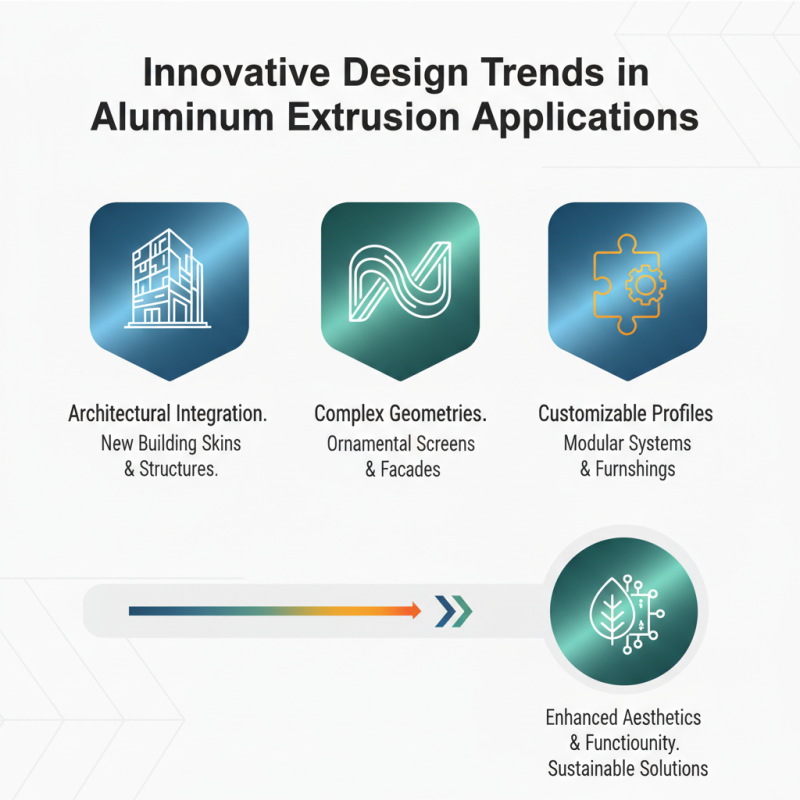
Aluminum extrusion applications are evolving rapidly. Innovative design trends are shaping various industries. Architects and engineers are exploring new ways to incorporate aluminum into their designs. Intricate patterns and customizable profiles are on the rise. These features enhance aesthetic appeal and functionality.
Tips to consider: Think about the purpose of your design. Is it for aesthetics, performance, or both? Every choice affects the final product. Look for sustainable options as well. Eco-friendly aluminum often appeals to modern consumers.
Details matter in innovative designs. Textured finishes add depth, while anodizing can enhance durability. Transparent and translucent profiles may create stunning lighting effects. However, not every design will work seamlessly. Iteration and testing are crucial. Different applications might demand different approaches. Embrace challenges, and stay adaptable to changing design trends.
Sustainability and Recycling in the Aluminum Extrusion Sector
Sustainability is a growing concern in many sectors, including aluminum extrusion. The manufacturing process can generate waste and emissions, impacting the environment. However, aluminum recycling offers a solution. Recycled aluminum requires 95% less energy than producing new aluminum. This significant reduction can lead to lower carbon footprints.
The aluminum extrusion industry has made strides in incorporating recycled materials. Many products now utilize post-consumer aluminum. This change not only conserves resources but also encourages a circular economy. However, challenges remain. Not all recycled aluminum meets the stringent quality standards for certain applications. This limits its usage in some sectors and forces manufacturers to source from primary materials.
Educating consumers about the benefits of recycling is crucial. Public awareness can drive demand for sustainable products. However, some may be unaware of how aluminum recycling works or its advantages. This gap in knowledge can hinder progress in sustainability for the sector. Addressing these issues requires continued effort from both the industry and consumers.
Top 10 Aluminum Extrusion Applications
| Application |
Description |
Sustainability Factor |
Recycling Potential |
| Construction |
Used in window frames, doors, and structural components. |
High - energy efficiency and durability. |
100% recyclable. |
| Automotive |
Frameworks and panels to reduce vehicle weight. |
Medium - improves fuel efficiency. |
Recyclable post-consumer use. |
| Aerospace |
Lightweight parts for aircraft. |
High - reduces emissions. |
Can be recycled extensively. |
| Packaging |
Used for cans and foil products. |
High - lightweight and protects content. |
Widely recyclable. |
| Electronics |
Heat sinks and casings for devices. |
Medium - assists in efficiency. |
Can be recycled through electronic waste systems. |
| Furniture |
Used in frames and structural components. |
Medium - durable and stylish. |
Reusable parts can be recycled. |
| Marine |
Boat hulls and fittings made from aluminum. |
High - corrosion resistance. |
Highly recyclable. |
| Rail Transport |
Used in train exteriors and interiors. |
High - lightweight helps energy savings. |
Recyclable at the end of life. |
| Bicycle Manufacturing |
Frame and components for lightweight bikes. |
High - promotes healthy transport. |
Recyclable and reusable parts. |