Top 10 Best Aluminum Industrial Profiles for Your Projects?
Aluminum Industrial Profiles are crucial for various engineering and construction projects. According to a recent industry report by Smith & Associates, the demand for aluminum profiles has risen by 25% over the past three years. This growth is attributed to their lightweight yet durable nature. Experts emphasize their versatility in applications ranging from automotive to aerospace.
Dr. Emily Johnson, a leading specialist in aluminum manufacturing, states, “Aluminum Industrial Profiles have revolutionized structural integrity in modern designs.” Her insight underscores the importance of selecting the right profile for efficiency and durability.
However, not every project warrants high-end profiles. It's essential to evaluate the specific needs. Some industrial profiles may compromise on quality for cost savings. This reflection urges professionals to weigh long-term benefits against immediate expenditures. Thus, understanding the top choices in Aluminum Industrial Profiles can significantly impact project outcomes.
Understanding Aluminum Industrial Profiles and Their Usage
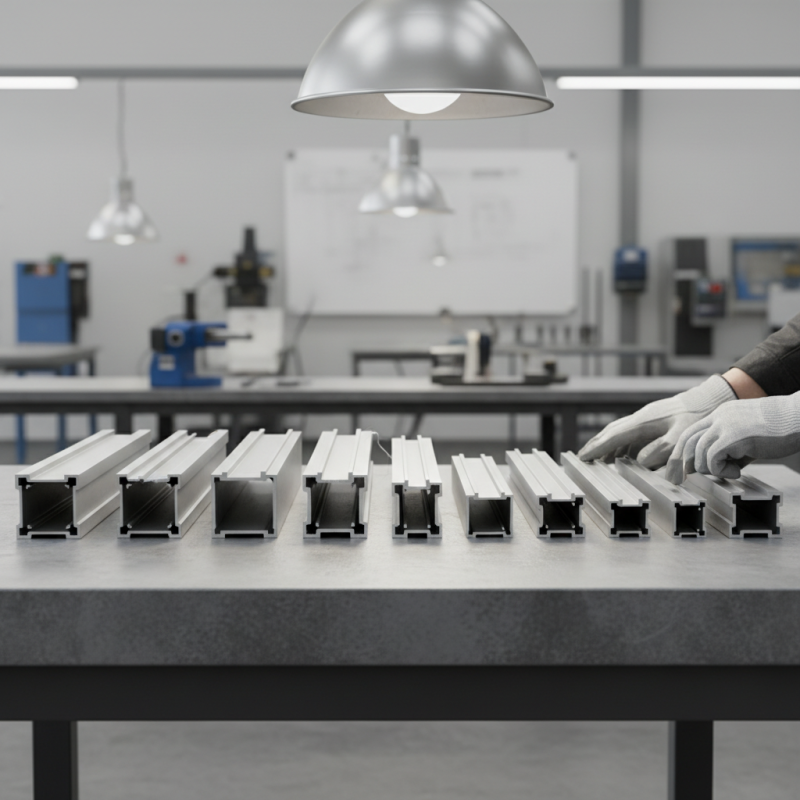
Aluminum industrial profiles are essential in many construction and manufacturing projects. These profiles are versatile, lightweight, and durable. They are used to create frames, supports, and other structural components. According to a recent report by the Aluminum Association, the global aluminum market is projected to reach 159 million metric tons by 2025, driven by the increasing demand in various sectors.
The versatility of aluminum industrial profiles allows them to be tailored to specific applications. They come in different shapes and sizes. Some profiles are designed for specific strengths, while others prioritize weight. A study by the International Aluminium Institute highlights that aluminum's recyclability makes it a sustainable choice, with 75% of aluminum produced still in use today.
However, challenges remain. Not every project fully utilizes aluminum's potential. In some cases, budget constraints lead to suboptimal choices. While aluminum profiles are often favored for their lightweight nature, the selection must match the required strength for the given application. Balancing cost and functionality is critical. This complexity underscores the importance of understanding specific project demands and choosing profiles accordingly.
Key Characteristics of High-Quality Aluminum Profiles
When selecting aluminum industrial profiles, quality is paramount. High-quality aluminum profiles exhibit key characteristics such as superior strength, excellent corrosion resistance, and lightweight properties. According to industry reports, aluminum profiles account for roughly 50% of the material used in manufacturing sectors globally. This highlights their significance in structural integrity and durability.
One notable characteristic is the aluminum alloy composition. Alloys such as 6061 and 6063 are popular for their balance of strength and workability. These alloys demonstrate tensile strengths of around 180 MPa, which is essential for load-bearing applications. Surface treatments, like anodizing, further enhance corrosion resistance. Anodized surfaces can resist weathering and are less likely to corrode in harsh environments.
Another aspect to consider is the profile design. A well-engineered profile can efficiently distribute loads. Variability in wall thickness and shape can lead to weaknesses. Manufacturers often focus on optimizing design to ensure integrity while maintaining minimal weight. The modern push for sustainability also drives the use of recycled aluminum, which can have a performance that rivals virgin materials. Ensuring these factors are aligned will contribute to the overall efficiency and reliability of your projects.
Top 10 Aluminum Profiles Based on Strength and Durability
When selecting aluminum profiles for industrial projects,
strength and durability
are crucial factors. High-quality aluminum alloys provide superior tensile strength.
This ensures they can withstand heavy loads and resist deformation.
Profiles made from 6061 and 6063
aluminum series are popular. They offer great corrosion resistance and structural integrity,
making them suitable for various applications.
One must consider the design of the profiles. T-slot designs, for example, allow for easy assembly and modification.
These designs are versatile, allowing for various configurations tailored to project needs.
However, not all projects require the same profile. Some may need thicker walls for extra strength,
while others may benefit from lightweight options. Evaluating specific project demands is essential.
Another consideration is finishing treatments. Anodizing is common in aluminum profiles.
It enhances durability and aesthetics, but it can be costly. Additionally, surface imperfections may arise during machining.
These small flaws can influence the overall performance of the profile. It's crucial to ensure that even minor details
are up to standard. Hence, one should prioritize quality and compatibility with project requirements.
Applications of Aluminum Profiles in Various Industries
Aluminum profiles are increasingly popular across various industries. They are lightweight yet strong, making them an ideal choice for many applications. In construction, aluminum profiles offer structural integrity and weather resistance. Builders appreciate their ease of installation and maintenance, which can reduce project timelines and costs.
In the automotive sector, aluminum profiles contribute to fuel efficiency. Vehicles made with aluminum components are lighter, leading to better mileage and lower emissions. Additionally, these profiles can be molded into various shapes, providing design flexibility. However, the challenge remains in creating high-quality welds and connections, which requires skilled labor and careful planning.
The electronics industry also utilizes aluminum profiles for housings and heat sinks. They dissipate heat effectively, ensuring equipment operates efficiently. Developers often face issues with thermal expansion and product durability. As technology advances, ongoing research is essential to overcome these challenges and enhance aluminum's potential. Each application highlights the material's versatility yet underscores the need for careful engineering and design consideration.
Factors to Consider When Selecting Aluminum Profiles for Projects
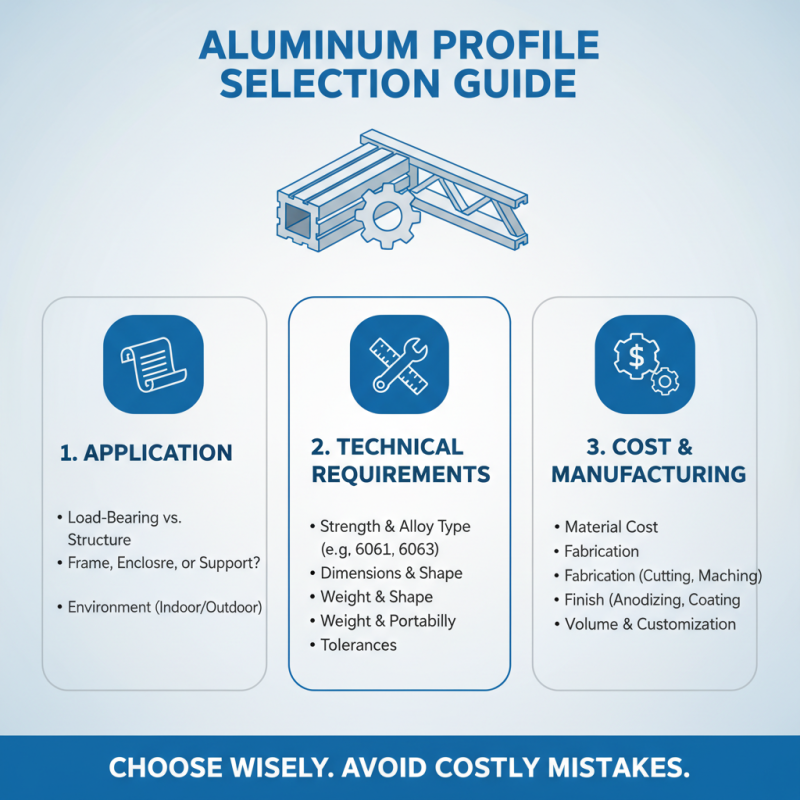
Choosing the right aluminum profiles for your projects requires careful thought. Aluminum offers durability and lightweight advantages, but not all profiles serve the same purpose. One crucial factor is the specific application. Consider whether the profile will bear loads or simply provide structure. Understanding your project's requirements will narrow down your options and help you avoid costly mistakes.
Another important aspect is the alloy composition. Different aluminum alloys offer various strengths and corrosion resistance. For instance, some alloys are better suited for outdoor applications, while others are ideal for indoor use. It’s also crucial to evaluate the finish of the profiles. Anodized finishes can enhance durability, but they may add cost. Be clear about your budget while ensuring you don’t compromise on quality.
Finally, manufacturing standards matter. Profiles must meet industry specifications to ensure safety and performance. Research local regulations and standards for your project. Check for certifications from reliable sources. Doing this might seem tedious, but it’s essential for achieving long-lasting results. Don't overlook the importance of sourcing from reputable suppliers. Selecting the right partner can make a significant difference in the quality and reliability of the profiles used.