2026 Top Customizable Aluminum Profiles for Modern Applications?
In the realm of modern design and engineering, customizable aluminum profiles stand out as a vital component. These profiles offer unparalleled versatility, making them essential for various applications. From construction to automotive industries, their adaptability is remarkable. With the growth of innovation, the demand for high-quality customizable aluminum profiles is on the rise.
The year 2026 presents a range of exciting options for these profiles. Manufacturers are improving their features, enhancing both functionality and aesthetics. However, it’s important to recognize that not all profiles meet the same standards. Some products may lack the quality or reliability needed for critical applications. This raises questions about the selection process.
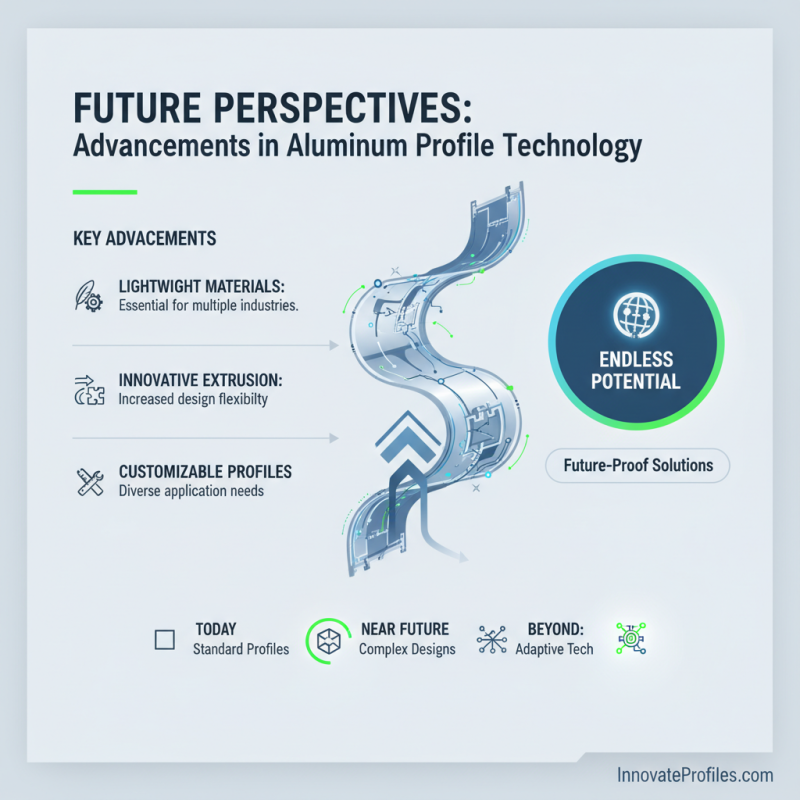
Understanding the landscape of customizable aluminum profiles is crucial. Companies must navigate a sea of choices and consider performance, durability, and design flexibility. Investing time in research can lead to better outcomes. By focusing on quality, users can ensure that they select the right profiles for their specific needs, contributing to long-term success. In this ever-evolving market, staying informed is key.

2026 Overview of Aluminum Profiles in Industrial Design
In the realm of industrial design, aluminum profiles are gaining traction for their adaptability. These materials represent a shift in how modern applications are constructed. Designers appreciate the flexibility that custom profiles offer, as they can be tailored to various specifications and needs. As industries evolve, so do the demands for innovative designs. This trend towards customization is not without challenges, though.
Creating the perfect aluminum profile requires a thorough understanding of material properties. Lightweight yet strong, aluminum allows for a variety of constructions. Designers can maximize space without sacrificing durability. Yet, the design process can sometimes overlook practicality. Some custom designs may appear visually appealing but fail to meet functional requirements. Finding the balance between aesthetics and utility remains an ongoing challenge.
Moreover, the sustainability aspect of aluminum profiles is worth discussing. They can be recycled easily, reducing environmental impact. However, not all aluminum sources are created equal. Some might come from less green practices. Therefore, designers must consider both performance and sustainability when selecting materials. This reflection is crucial in shaping a responsible approach to industrial design.
Key Features and Benefits of Customizable Aluminum Profiles
Customizable aluminum profiles are shaping modern applications across various industries. They are known for their versatility and ease of modification. According to a recent analysis by the Aluminum Association, customizable profiles account for 30% of the total aluminum market. This statistic highlights their growing importance.
The benefits of these profiles include lightweight properties and resistance to corrosion. This makes them suitable for both structural and aesthetic applications. Customizable aluminum profiles can lead to significant cost savings over time. A study by the International Aluminum Institute indicates that using aluminum can reduce production costs by up to 15%. However, challenges remain. Ensuring precision in manufacturing can be difficult, sometimes leading to tolerances that don't meet client specifications.
Moreover, while customization offers adaptability, it also demands a careful balance of design and functionality. Companies must navigate the risks of over-customization. Too much customization can lead to longer lead times or increased costs. Thus, industry professionals must critically assess the needs before diving into personalized solutions. Finding this balance is essential to harness the full potential of customizable aluminum profiles in modern settings.
2026 Customizable Aluminum Profiles for Modern Applications
Market Trends in the Use of Aluminum Profiles for Modern Applications
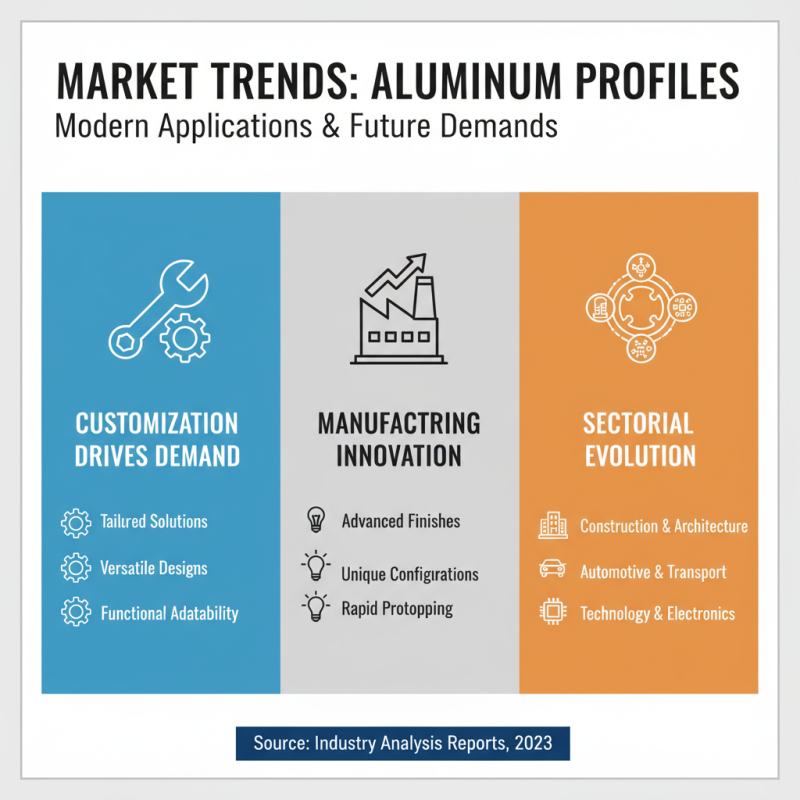
The evolution of aluminum profiles in modern applications highlights significant market trends. Industries increasingly favor customized solutions over standard options. This shift is driven by the need for versatility in design and functionality. Manufacturers are responding to these demands with innovative finishes and configurations. As construction, automotive, and technology sectors evolve, the desire for unique profiles grows.
Customization allows for better integration within existing systems. Companies are exploring lightweight yet durable materials for structural applications. The flexibility of aluminum supports various designs, from complex frameworks to simple casings. However, the availability of custom profiles can lead to supply chain challenges. Meeting rising demand without compromising quality is a delicate balancing act.
Sustainable practices are becoming paramount in production. Many firms are now prioritizing eco-friendly sourcing. This change reflects a broader trend towards environmental responsibility in manufacturing. Yet, balancing sustainability with performance remains a challenge. As companies adopt greener practices, questions arise about efficiency and cost-effectiveness. The future appears bright, yet adaptations are necessary to meet evolving market needs.
Case Studies: Innovative Uses of Aluminum Profiles in Various Industries
Aluminum profiles are versatile components that adapt to various industrial needs. In the automotive sector, they are pivotal in creating lightweight structures. For instance, one manufacturer utilized aluminum profiles to design an innovative chassis. This change improved fuel efficiency significantly, yet posed challenges in maintaining strength.
In the architecture field, aluminum profiles are celebrated for their aesthetic appeal. A recent project involved a modern office building using seamless aluminum facades. However, achieving the perfect finish can be tricky. Even slight imperfections in the profile can impact the building's overall look. Professionals often face this dilemma, questioning their choices during the design phase.
Additionally, the technology industry exploits aluminum profiles for custom housing for electronic devices. One tech company crafted a sleek casing using these profiles. This resulted in improved thermal management and reduced weight. Yet, the balance between innovation and cost remains a concern. Companies must carefully evaluate whether the benefits justify the investment in high-quality materials.
2026 Top Customizable Aluminum Profiles for Modern Applications
| Application Industry |
Profile Type |
Key Features |
Innovative Use Case |
| Automotive |
Extruded Aluminum |
Lightweight, Corrosion Resistant |
Chassis Framework |
| Construction |
Modular Profiles |
Flexible Design, Durable |
Roofing Systems |
| Electronics |
Heat Sinks |
High Thermal Conductivity |
Cooling Systems for CPUs |
| Furniture |
Decorative Profiles |
Aesthetic Finish, Customizable |
Modern Furniture Frames |
| Aerospace |
High-Strength Alloys |
Strength-to-Weight Ratio |
Aircraft Components |