




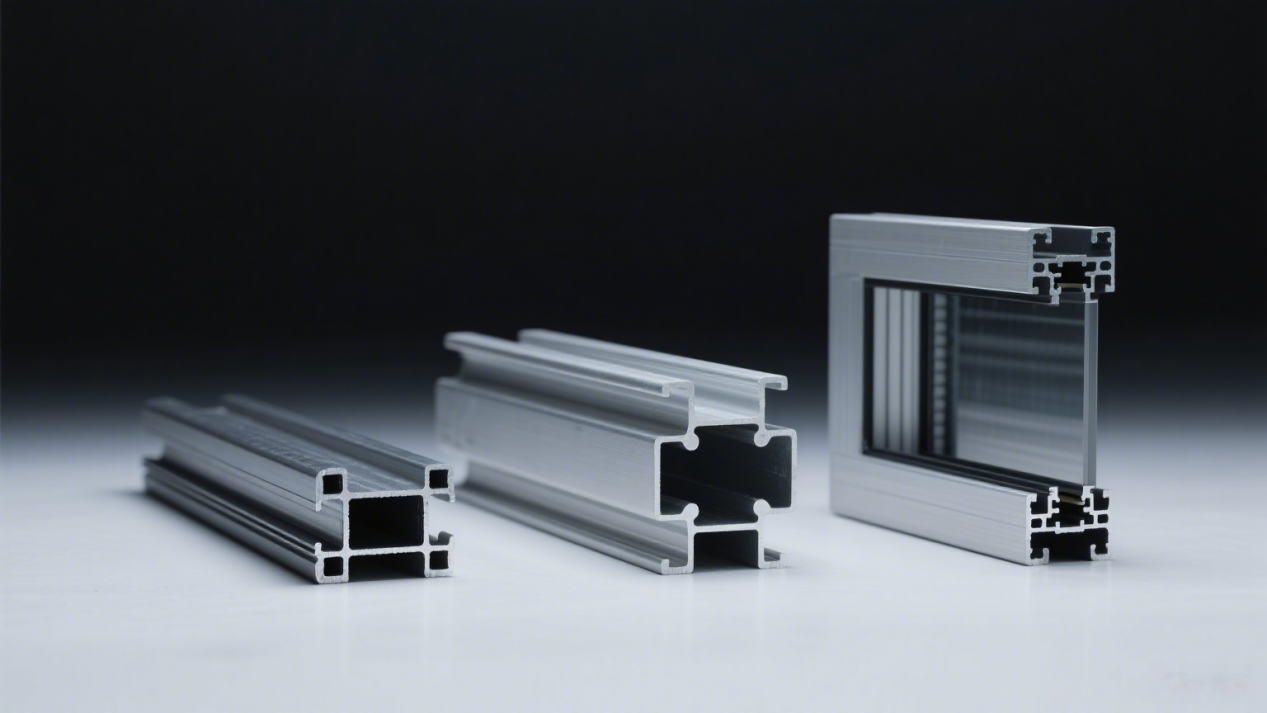
Aluminum Extrusion Industry Trends and Linyi Shengao Aluminum's Quality Practices
In the rapidly growing aluminum extrusion industry, selecting the right aluminum extrusion profile is crucial to ensuring performance and efficiency. According to a report by Research and Markets, the global aluminum extrusion market is expected to reach $80 billion by 2025. Data from the Aluminum Association indicates that the global aluminum extrusion market will grow at a compound annual growth rate of approximately 6.5%, with production capacity expected to reach 9.2 million tons by 2025. As a core global aluminum extrusion market, China, with its well-developed industrial chain and technological advantages, is a key driver of global market growth. The surging demand for lightweight, high-strength materials in industries such as automotive, construction, and consumer goods has made aluminum Extrusions the material of choice in these sectors.
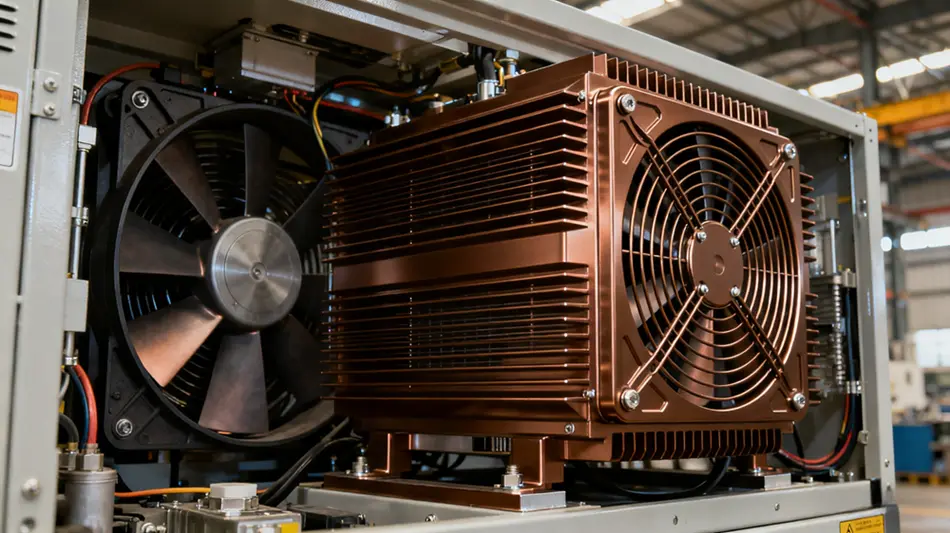
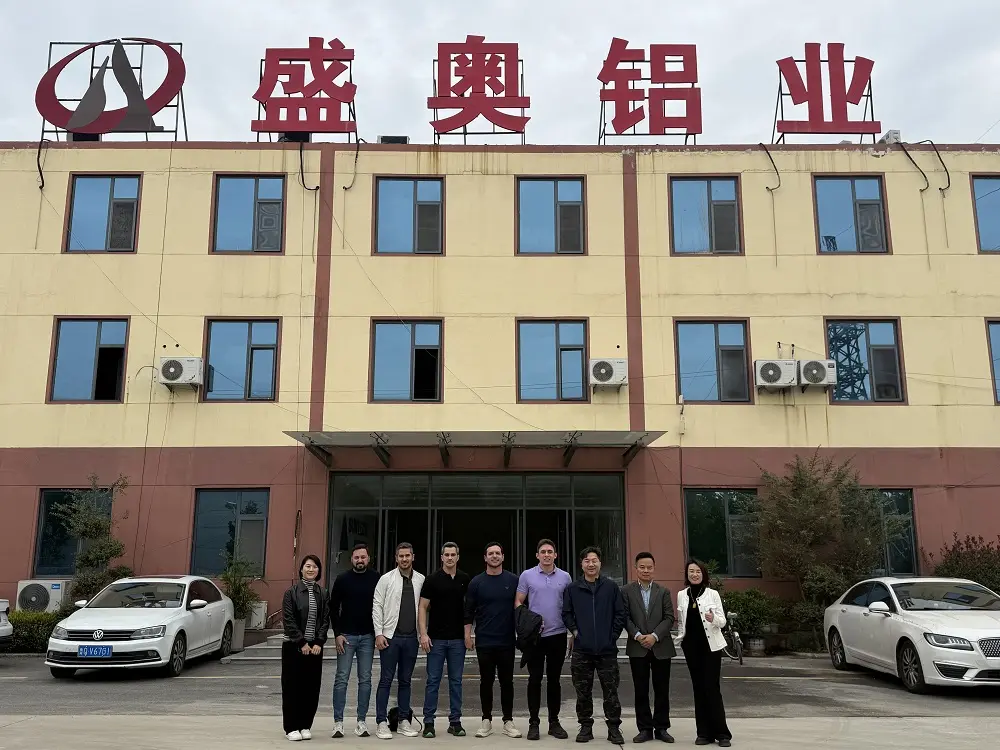
Linyi Shengao Aluminum understands the importance of Precision extrusions. Since its inception, the company has established an organizational structure centered around the Chairman and General Manager, overseeing all aspects of management, finance, marketing, production, and quality control. The company consistently adheres to strict industry standards, not only producing high-performance aluminum extrusions that meet diverse customer needs, but also providing customized cooling solutions as a manufacturer of custom aluminum extrusion heat sinks. Our core goal is to provide high-quality products and continuously improve them to earn our customers' trust.
I. Aluminum Extrusion: Core Concepts and Processes
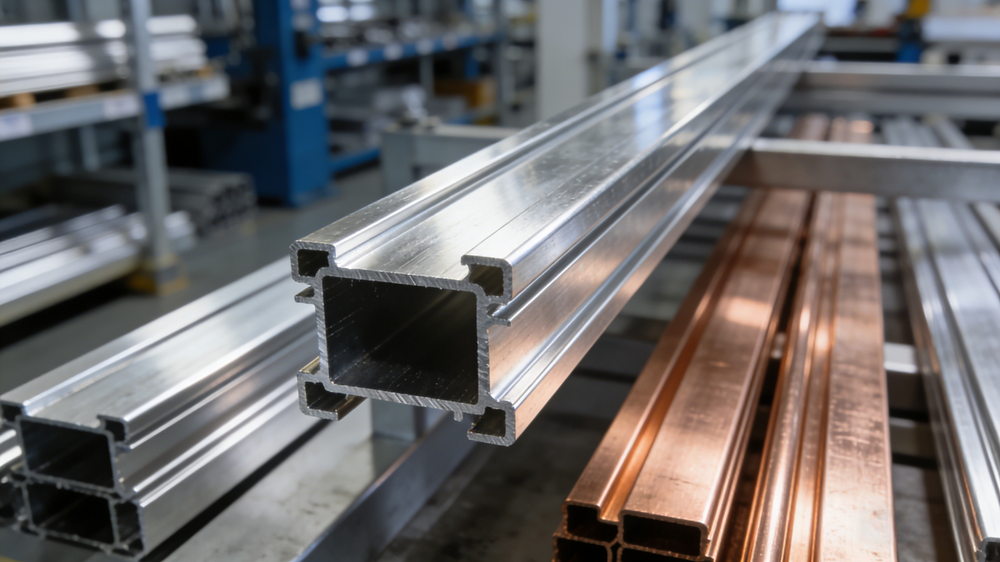
Aluminum extrusion is a key process in aluminum extrusion manufacturing. An aluminum billet is heated to forging temperature and then extruded through a die into the desired profile (such as a semi-circular extrusion or tubular profile). Temperature control, die design, and extrusion speed are key factors, all of which directly determine the quality of the extrusion. A study published in the International Engineering Manufacturing Journal indicates that maintaining optimal temperature during the extrusion process can reduce defects and increase yield strength by 20%. This is particularly important for structural profiles requiring high precision, such as aluminum interlocking profiles.
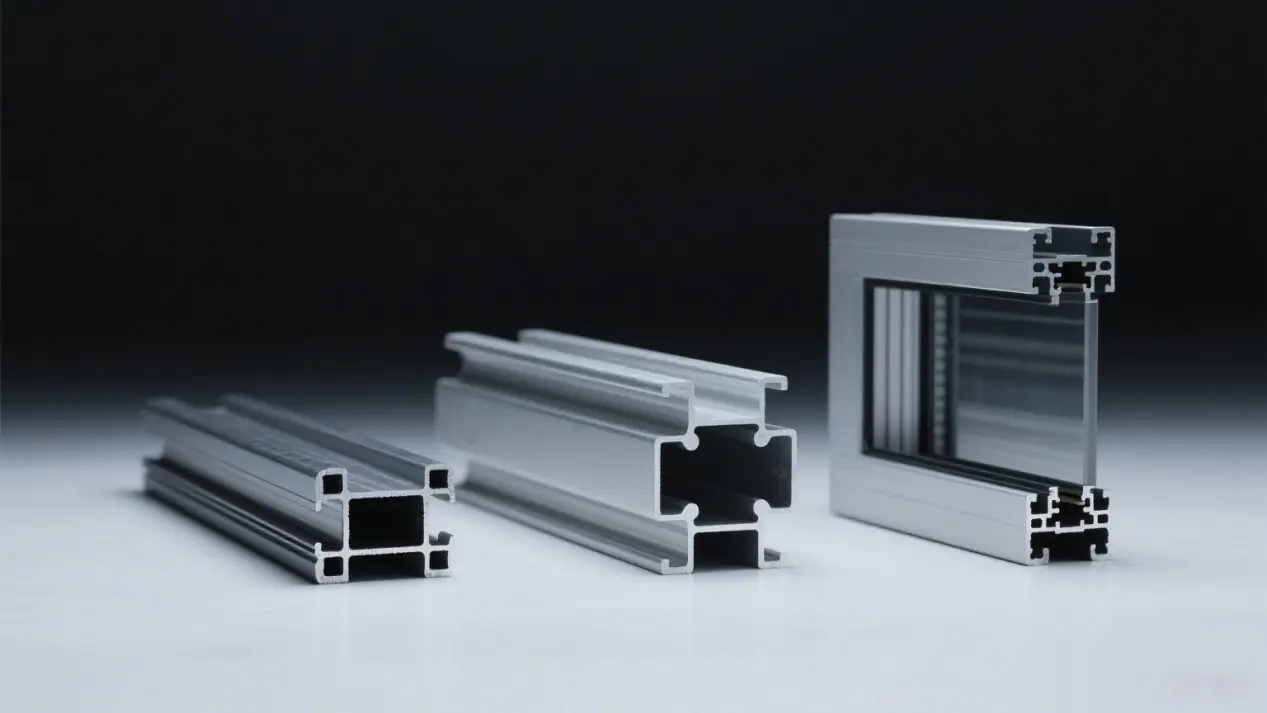
II. Criteria for Selecting the Optimal Aluminum Extrusion Profile
Selecting high-performance aluminum extrusion profiles requires a balance of three key factors:
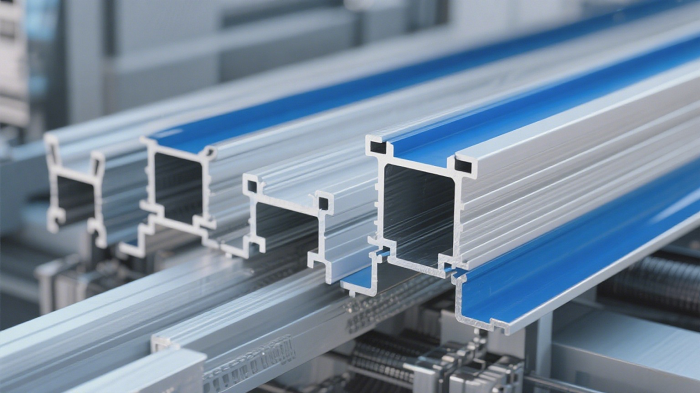
1. Application Compatibility: Structural products (such as industrial brackets, some of which require aluminum interlocking profiles for enhanced connection stability) prioritize tensile strength. Products that prioritize appearance often use powder-coated aluminum extrusion profiles to balance a smooth surface with corrosion resistance. 2. Preferred Alloy Types: 6061 and 6063 are industry mainstream due to their versatility and ease of processing, meeting most requirements.
3. Design Complexity: Complex extruded profiles require advanced processing tools to balance performance and manufacturability.
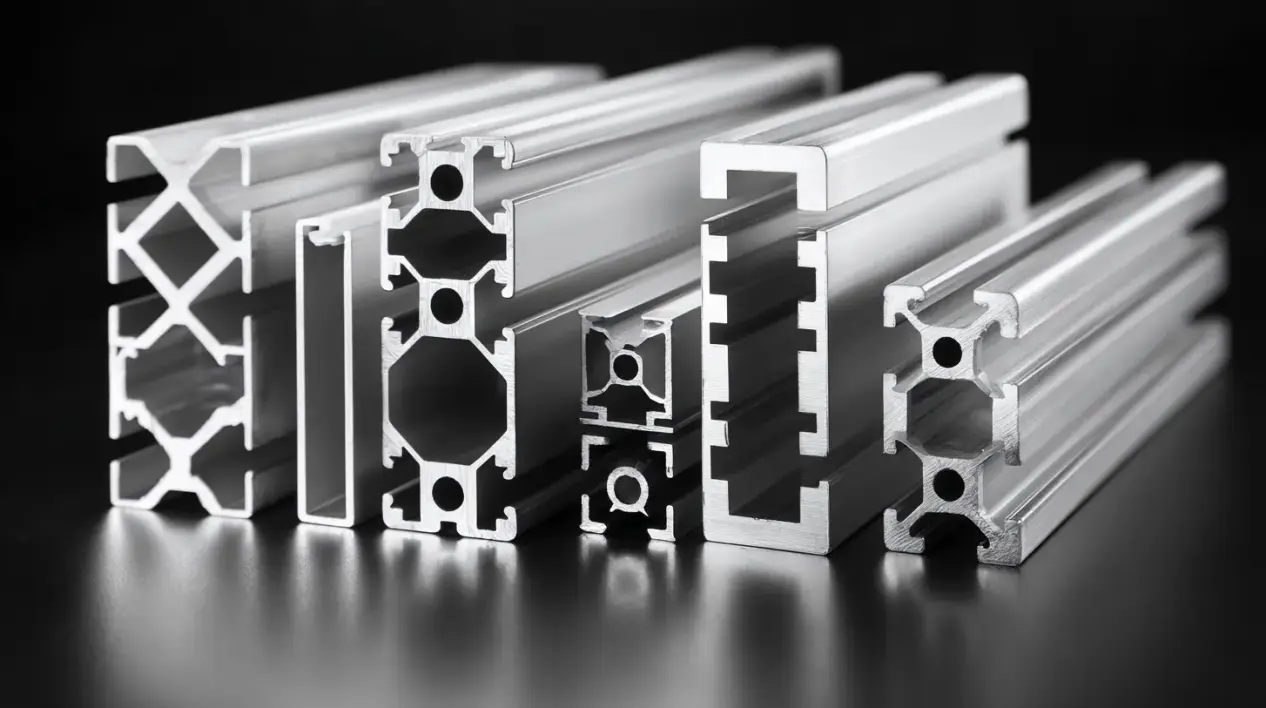
III. Comparison of Mainstream Extruded Aluminum Alloys
The choice of alloy directly impacts extrusion results. According to the Aluminum Association, 6061 and 6063 are the default choices:
6061 aluminum alloy: With a tensile strength exceeding 300 MPa, it is suitable for structural applications such as automotive chassis and custom radiators. 6063 aluminum alloy: With a high surface finish, it is widely used in appearance-critical applications such as aluminum extruded door frames and architectural decorative profiles.
Additionally, heat treatment can optimize performance. For example, 6063 has a yield strength of 180 MPa in the T5 temper, enabling complex designs without adding weight.
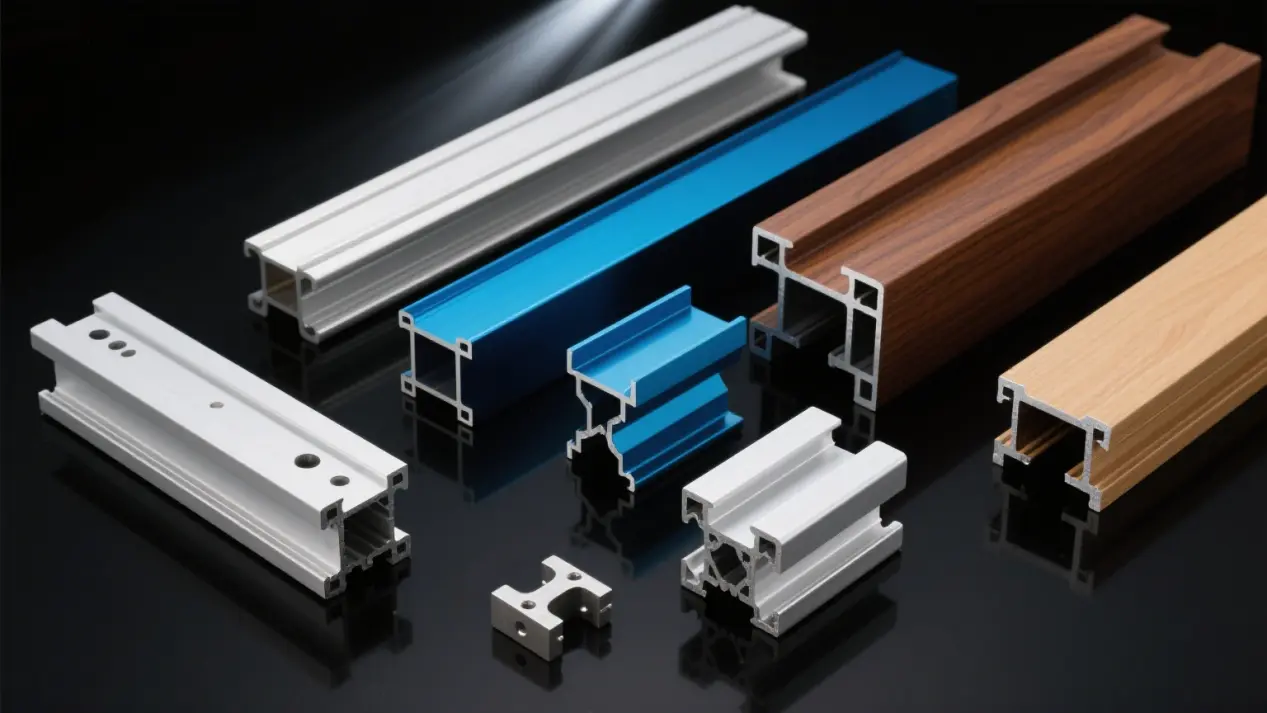
IV. Quality Control: The Core Assurance of Aluminum Extrusion Manufacturing
Quality control (QC) is the lifeblood of aluminum extrusion manufacturing, encompassing the entire process: from incoming raw material inspection, to production monitoring (such as coating thickness testing for powder-coated aluminum extrusions), to finished product inspection. The International Aluminum Institute reports that strict quality control can improve product reliability by 30%. Materials Processing Technology Magazine shows that factories implementing quality control experience a 20% reduction in defect rates. Non-destructive testing technologies such as ultrasonic and eddy current testing can identify defects, reduce waste, and help companies improve their market competitiveness.