


How to Choose the Right Extruded Aluminum Profile for Your Manufacturing Needs
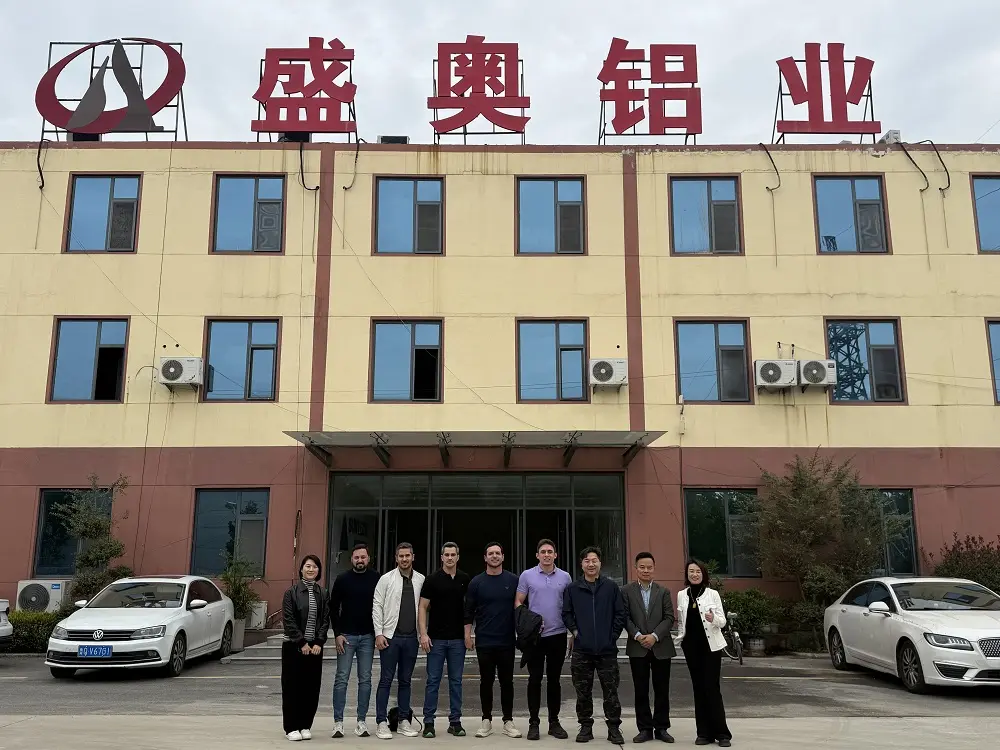
In the ever-evolving manufacturing industry, selecting the right Extruded Aluminum profile is crucial to ensuring product performance and production efficiency. According to industry reports, the global extruded aluminum profile market is expected to reach $90.27 billion by 2027. Lightweight, corrosion-resistant, and customizable designs make it an ideal material for applications in architecture, automotive, electronics, and more. Linyi Shengao Aluminum Co., Ltd., with five professional teams covering management, finance, marketing, production, and quality control, provides high-quality products tailored to various needs and is a reliable partner when selecting extruded aluminum profiles.
Ⅰ. First, Understand Your Needs: Clarify the Application Logic of Extruded Aluminum Profiles
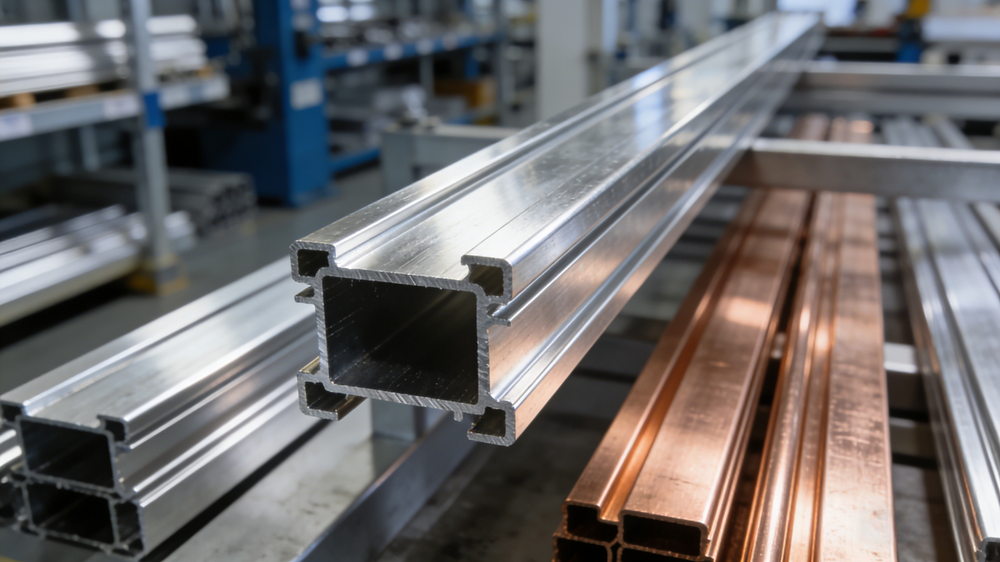
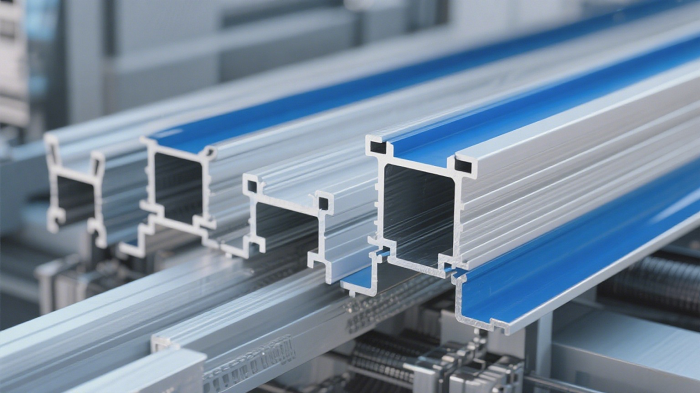
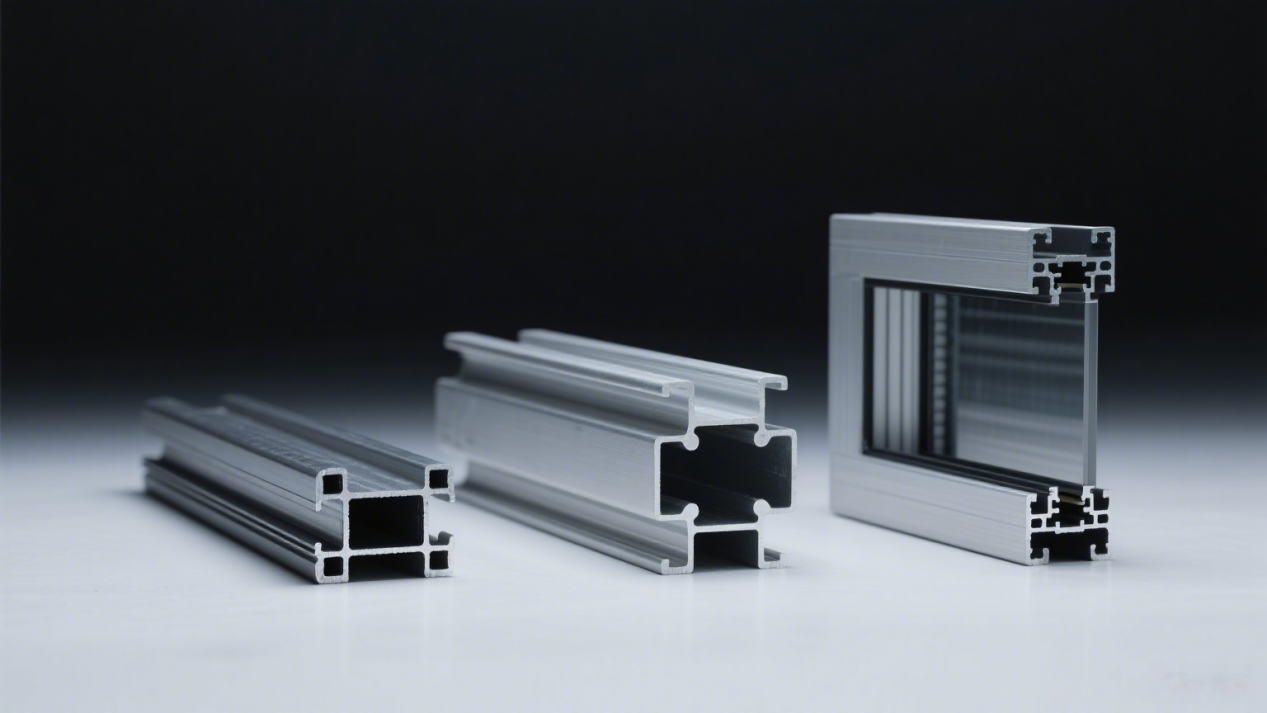
Extruded aluminum profiles are formed by extruding molten aluminum and can be customized into various cross-sectional shapes, offering both cost and strength benefits. It is important to clarify the application scenario before making a selection.
Architecture: Profiles commonly used in Window Frames, curtain walls, structural supports, etc. require both aesthetics and durability. For example, profiles with corrosion-resistant surface treatments are suitable for complex outdoor environments.
Automotive: Due to the demand for lightweight construction, chassis and frame profiles prioritize strength and light weight to improve vehicle fuel efficiency.
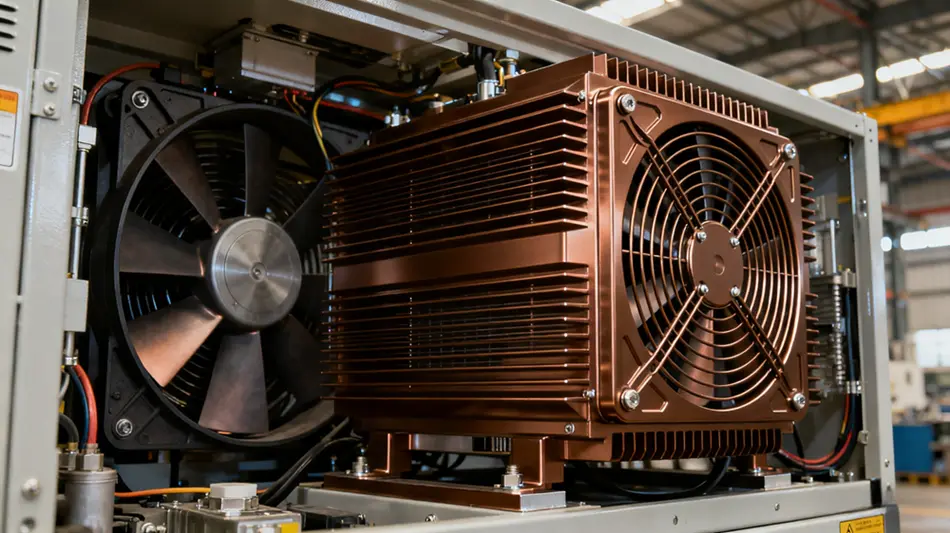
Electronics: Radiators rely heavily on the thermal conductivity of the profile. Customized flow path designs optimize heat dissipation and are suitable for high-temperature environments such as 5G base stations and energy storage devices.
- Product Selection: Two Key Factors That Cannot Be Overlooked
- Accurately Meet Project Parameters
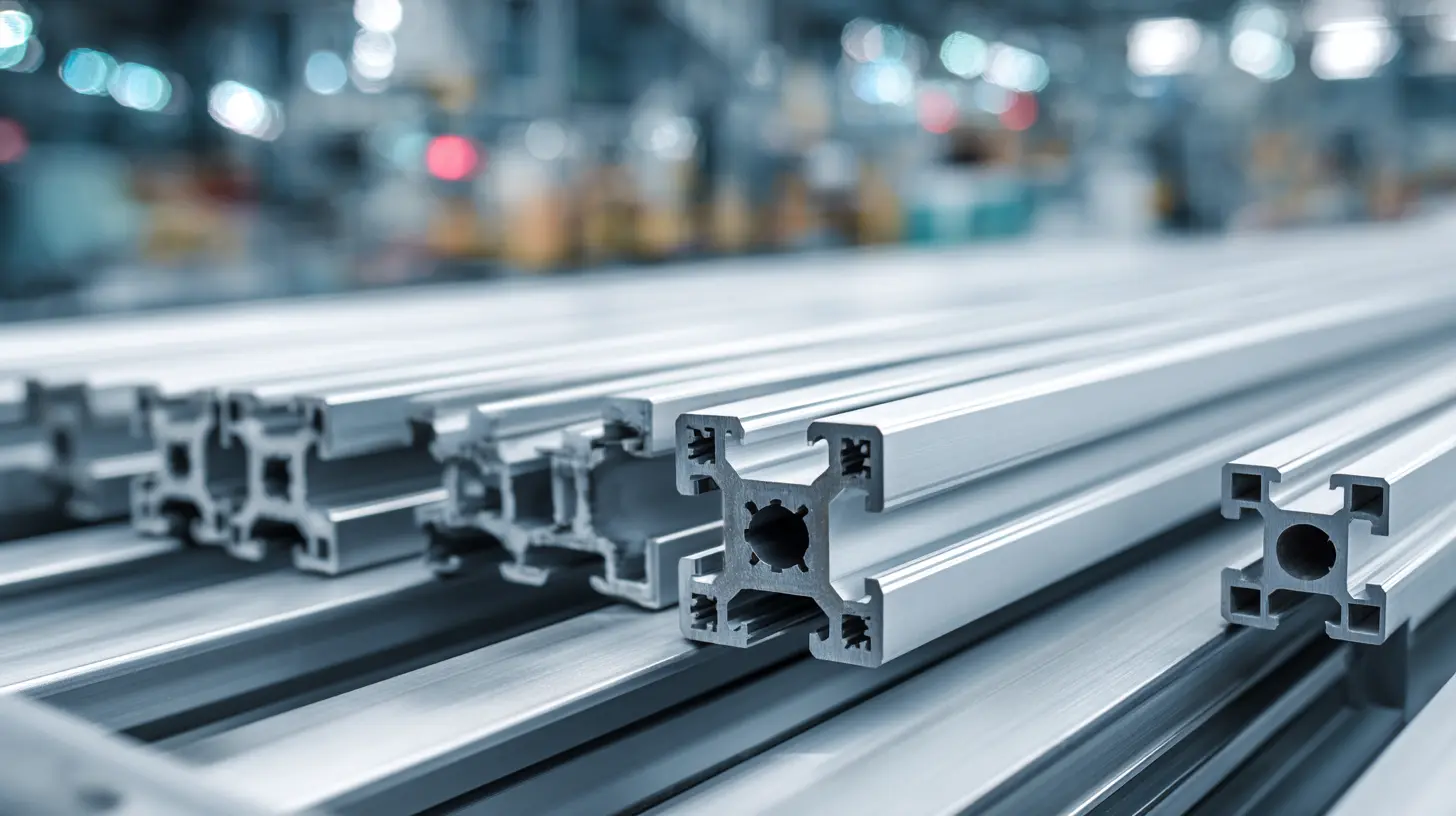
Clearly defining the profile's size, shape, and strength requirements determines the alloy type and design. For example, high-tensile alloys may be required for load-bearing structures, while surface finish may be a priority for decorative parts. Determining parameters in advance reduces downstream adjustment costs and improves production efficiency.
- Selecting a Reliable Supplier
A supplier's strengths directly affect the quality of the profile and delivery timeliness. Linyi Shenggao Aluminum is based on a strong organizational structure, a specialized manufacturing team to ensure production capacity, and a strict quality control team to ensure the performance of the profile. At the same time, we effectively meet the specific needs of companies and help streamline the manufacturing process.
- Industrial Applications: Common Applications of Extruded Aluminum Profiles
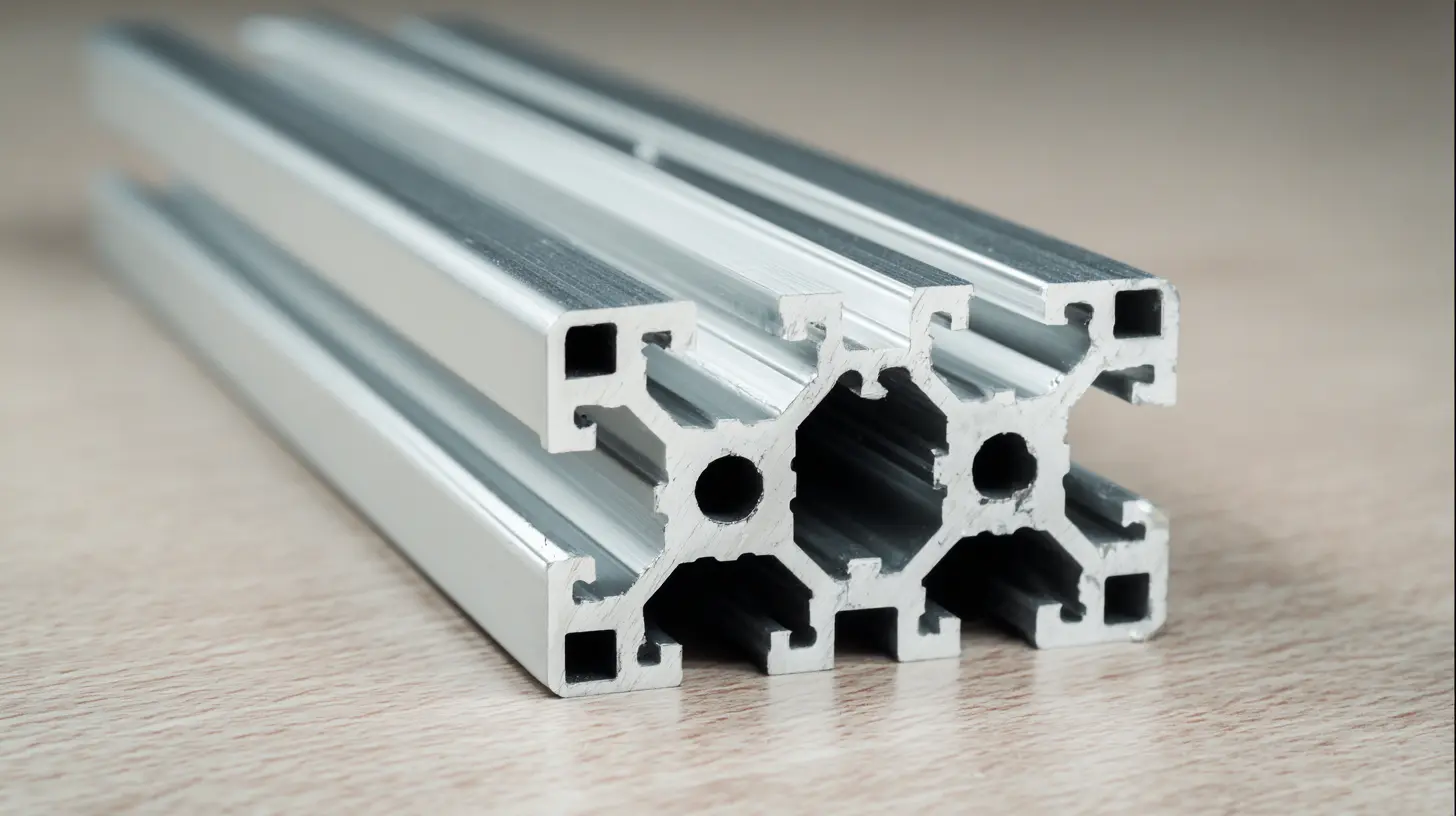
Extruded aluminum profiles are deeply integrated into many industries. According to data from the Freedonia Group, annual demand for these products is expected to grow 4.4% by 2025.
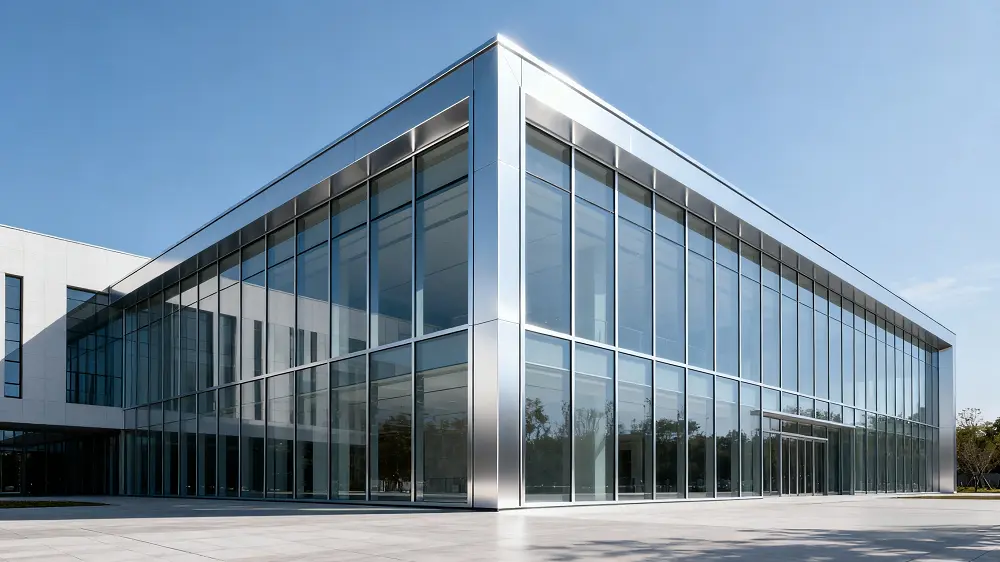
Architecture: Profiles for doors, windows, and prefabricated components contribute to energy savings and rapid construction through customized designs that adapt to various residential and commercial building styles.
Automotive: The Aluminum Association emphasizes that the use of aluminum can reduce vehicle weight by 50% and significantly reduce emissions, making it an essential material for lightweighting new energy vehicles.
Aerospace: The high strength and light weight of profiles ensure the safety and stability of aircraft during high-altitude and high-speed flight.
- Practical Applications: Case Studies and Trend Selection Guide
In one case study, an automobile manufacturer used custom-made extruded aluminum profiles to create vehicle frames, improving fuel efficiency while maintaining strength. A technology company used custom-made profiles for electronic device enclosures, effectively solving heat dissipation issues. This suggests that companies should consider the strength-to-weight ratio when selecting profiles and seek professional advice from suppliers to meet thermal and structural requirements. Going forward, the manufacturing of extruded aluminum profiles will evolve toward automation and green production. Industry 4.0 technologies will promote smart manufacturing and improve customization efficiency. Closed-loop recycling and the application of renewable energy will reduce carbon emissions. The development of advanced alloys will further improve profile performance, making them more suitable for high-end manufacturing needs. Furthermore, advances in surface treatment technologies such as powder coating and anodizing are giving profiles greater advantages in architectural decoration. According to data from the American Aluminum Association, the use of aluminum in construction has increased 30% over the past decade. Powder-coated profiles have become a preferred choice for exterior decoration due to their weather resistance and low maintenance requirements. Applications are expanding to areas such as lighting and home appliances, and the global market is expected to achieve a CAGR of 5.6% over the next five years.
Conclusion
The selection of extruded aluminum profiles should be based on project requirements, taking into account industry characteristics and supplier expertise. Leading companies like Linyi Shengao Aluminum offer customized solutions to help companies precisely fit their profile. By analyzing specific cases and future trends, you can ensure your choices are aligned with your long-term development needs, laying the foundation for effective implementation of manufacturing projects and improved product performance.