2026 Top Trends in Extruded Aluminum Profiles for Innovative Applications?
The world of manufacturing is evolving, with the extruded aluminum profile taking center stage. This versatile material has proven essential in various innovative applications. Its applications range from architecture to automotive engineering. The rising demand for lightweight, durable materials drives interest in this field.
Extruded aluminum profiles offer unique advantages, such as excellent thermal conductivity and corrosion resistance. These features make them ideal for modern applications. However, designers and engineers face challenges integrating extruded aluminum into new technologies. A careful balance between performance and design is necessary.
As we look towards 2026, several trends are emerging in extruded aluminum profiles. Sustainability is becoming more critical, with an emphasis on recycling and reducing waste. Additionally, customization and precision engineering are on the rise. The future of extruded aluminum profiles depends on innovation and adaptability. This dynamic landscape necessitates ongoing reflection and evolution in manufacturing practices.

Emerging Applications of Extruded Aluminum Profiles in 2026
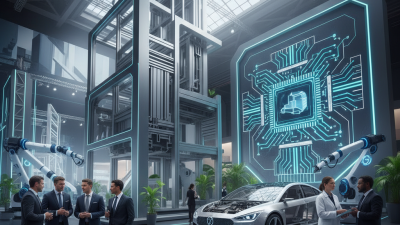
In 2026, extruded aluminum profiles are set to transform various industries. The lightweight properties of aluminum offer significant advantages in automotive designs. These profiles provide high strength-to-weight ratios, enhancing fuel efficiency. As the electric vehicle market grows, so does the need for innovative aluminum solutions.
Another emerging application is in sustainable building materials. Architects are increasingly incorporating extruded aluminum in green structures. These profiles can be designed for better thermal insulation and energy efficiency. They can also resist corrosion, making them ideal for outdoor use.
However, challenges exist. Ensuring consistent quality in extrusion processes can be difficult. Variations in temperature and tooling impact the final product. Industry professionals must continually adapt and innovate methods. There is a constant need to balance performance with environmental concerns. As applications expand, the demand for refined techniques will grow.
Sustainable Manufacturing Practices in the Aluminum Extrusion Industry
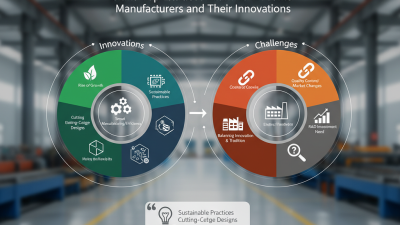
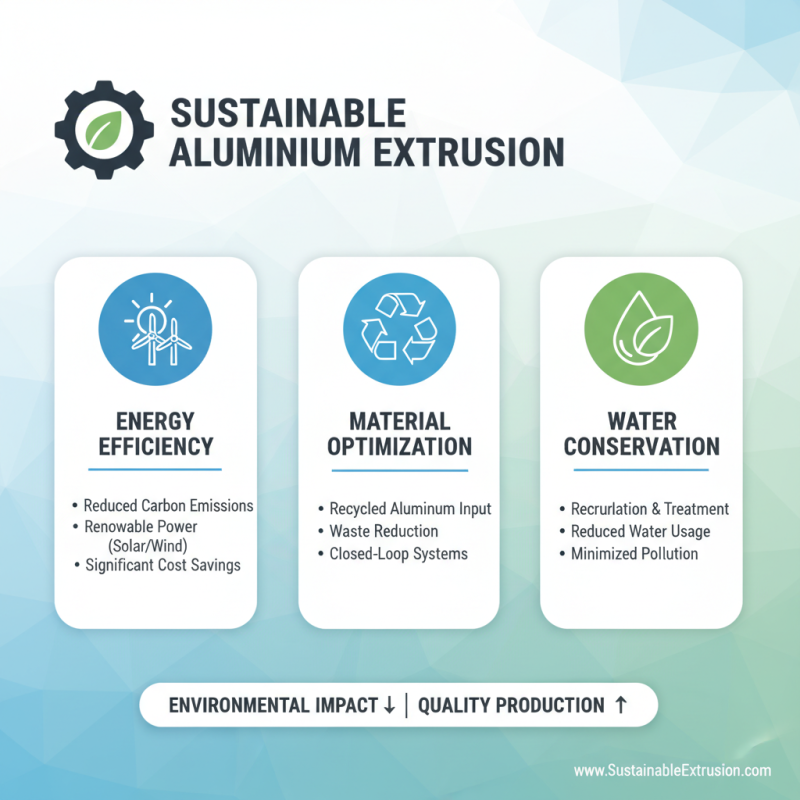
Sustainable manufacturing practices are reshaping the aluminum extrusion industry. This approach minimizes environmental impact while maintaining high-quality production. One aspect is energy-efficient processes that reduce carbon emissions. Factories have begun utilizing renewable energy sources, like solar and wind, to power machinery. This shift leads to significant energy savings over time.
Another crucial area is the focus on waste reduction. Industries are adopting closed-loop systems to recycle scrap aluminum, promoting a circular economy. This practice not only conserves resources but also decreases the dependency on virgin materials. Innovative technologies, such as precision cutting and automated handling, help maximize material efficiency. However, challenges remain in achieving widespread industry adoption.
Collaboration across the supply chain is vital but often inconsistent. Different stakeholders may have varying levels of commitment to sustainability. This discrepancy can slow progress. Additionally, balancing cost-efficiency and environmental responsibility poses ongoing dilemmas. Industry leaders must reflect on these issues and drive change collectively for a more sustainable future.
Technological Innovations Driving Extrusion Process Efficiency in 2026
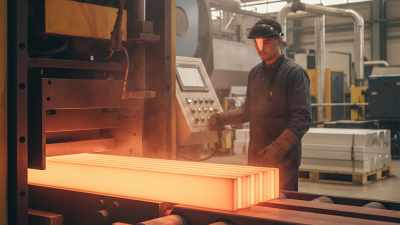
In 2026, the extrusion process for aluminum profiles is set to undergo significant innovations, enhancing efficiency and expanding applications. According to industry reports, advancements in extrusion technologies could increase production yield by 25%. This transformation is driven by improved heating methods and innovative die designs, which optimize material flow and reduce waste.
Manufacturers are increasingly adopting automation and digitalization. Techniques such as predictive maintenance will minimize downtime. Smart sensors can monitor the extrusion process in real-time, allowing for immediate adjustments. These innovations not only enhance productivity but also reduce energy consumption significantly, with some estimates suggesting a decrease of up to 15%.
Tip: Consider the benefits of integrating
smart solutions into production lines. Upgrading existing machinery might lead to long-term savings.
The aluminum extrusion sector must also be mindful of challenges. Producing complex shapes remains difficult and often leads to higher costs. Striking a balance between
innovation and practicality is essential. Industry leaders emphasize the need for
training workers on new technologies, ensuring that human expertise keeps pace with automation.
Tip: Investing in workforce training can enhance productivity, fostering a culture of
continuous learning and adaptation.
Market Trends: Demand for Customized Extruded Aluminum Solutions
The demand for customized extruded aluminum solutions is surging. According to a recent industry report by MarketsandMarkets, the global market for aluminum extrusions is projected to reach $98 billion by 2026. This growth is driven by innovations in various sectors, including automotive, construction, and electronics. Customized profiles offer tailored solutions that meet specific design requirements alongside enhancing performance and sustainability.
One of the notable trends is the increasing preference for lightweight materials. The lightweight property of aluminum makes it an attractive choice for manufacturers. For instance, using aluminum can reduce a vehicle's weight by up to 40%, leading to improved fuel efficiency. However, some manufacturers face challenges in balancing customization with production efficiency. Striking this balance requires innovative approaches in design and manufacturing processes.
Furthermore, the push for environmental sustainability is reshaping this market. Companies are increasingly investing in eco-friendly practices. Recyclability is a key focus, as recycled aluminum uses 95% less energy than primary aluminum production. Nevertheless, the inconsistency in recycled materials poses quality control challenges. Addressing these issues will be essential for manufacturers aiming for leadership in this evolving landscape.
Impact of Aluminum Profiles on Renewable Energy Sector Innovations
As the renewable energy sector grows, the role of extruded aluminum profiles becomes ever more critical. These profiles are not only lightweight and durable but also highly adaptable. Their design flexibility allows for innovative uses in solar panel frames and wind turbine structures. This versatility can lead to increasing efficiency in capturing renewable energy.
In terms of design, the environmental impact of aluminum recycling must be considered. While aluminum is endlessly recyclable, the processes involved can be energy-intensive. Choosing recycled aluminum for new profiles could significantly reduce a project’s carbon footprint. It's important to evaluate the balance between new and recycled materials.
Tips: Always assess the lifecycle impact of materials. Collaborate with experts in sustainable design. Stay updated on industry trends to make informed choices. Each decision can lead to significant improvements in sustainability, impacting the energy sector positively. By recognizing the potential and pitfalls of aluminum profiles, we can better harness their advantages while acknowledging the challenges they present.
2026 Top Trends in Extruded Aluminum Profiles for Innovative Applications
This chart illustrates the projected growth of various applications of extruded aluminum profiles in the renewable energy sector by 2026. The data reflects the increasing adoption of aluminum profiles in solar energy, wind energy, and electric vehicles.