Which Is the Best Aluminum Extrusion Press Machine in China?
Choosing the best Aluminum Extrusion Press Machine in China requires more than comparing tonnage, price, or polished factory photographs. The International Aluminium Institute projects global aluminium demand could increase by approximately 80% by 2050. China already supplies more than half of global primary aluminium production, according to the U.S. Geological Survey’s Mineral Commodity Summaries. That scale creates strong manufacturing experience, but quality still varies between suppliers.
As metal-forming authority Dr. John G. Lenard stated, “Good forming begins with matching the process to the material.” This principle matters on the factory floor. A 1,800-ton press may suit architectural profiles, while heavier automotive sections may require 3,000 tons or more. Billet diameter, alloy, container size, extrusion speed, cooling control, and cycle time must be examined together. The largest machine is not automatically the best machine. Sometimes, it is simply oversized and expensive.
This guide compares Chinese presses through measurable evidence, including frame rigidity, hydraulic stability, energy consumption, automation, maintenance access, and after-sales support. Reports from the International Energy Agency also underline aluminium’s energy intensity, making efficient operation increasingly important. Buyers should request production samples, motor specifications, pressure records, and references from comparable plants. A supplier’s brochure cannot reveal everything. Real performance appears beside the press, where operators inspect surface finish, listen for hydraulic noise, and measure profile consistency. The final choice may still involve compromise, but it should be an informed compromise.
What Is an Aluminum Extrusion Press Machine?
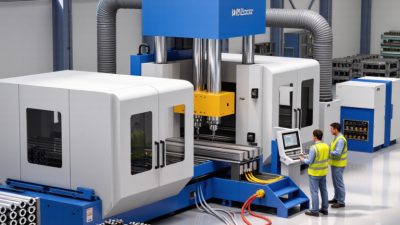
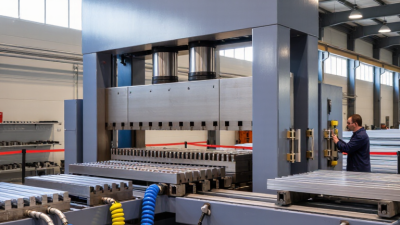
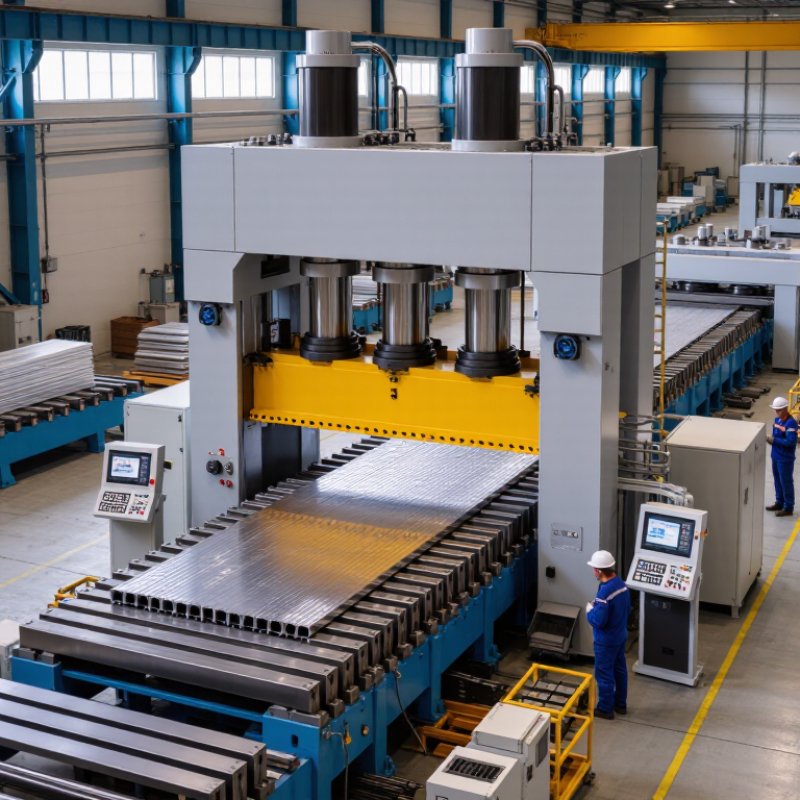
An aluminum extrusion press machine converts heated aluminum billets into continuous profiles. It uses a hydraulic ram to push the billet through a shaped steel die. The emerging profile may become a window frame, heat sink, rail, or structural section. The process is controlled, but never effortless.
Press capacity is measured in tonnes. A small 600-ton press suits narrow profiles, while larger systems may exceed 3,000 tonnes. The correct choice depends on alloy, billet diameter, profile complexity, and required production speed. According to Grand View Research, the global aluminum extrusion market was valued at approximately 78.9 billion dollars in 2023. Its report projects continued growth through 2030. That demand increases pressure on manufacturers to improve stability, energy use, and die life.
The International Aluminium Institute reported global primary aluminum production of about 70.6 million tonnes in 2023. This figure shows the scale of the raw-material supply, not guaranteed extrusion quality. A reliable press should provide steady ram speed, accurate temperature control, and repeatable pressure. Check the hydraulic system carefully. Inspect billet heating, cooling, puller alignment, and safety interlocks during a factory visit. Some specifications look impressive on paper. They may not match real output. Ask for production records, test profiles, energy data, and maintenance history. A lower purchase price can become expensive when downtime, scrap, and unstable dimensions appear.
Which Is the Best Aluminum Extrusion Press Machine in China? — What Is an Aluminum Extrusion Press Machine?
| Press Class |
Typical Press Force |
Typical Billet Diameter |
Common Applications |
Key Selection Considerations |
| Small |
Approximately 600–1,800 metric tons |
Approximately 90–127 mm |
Small solid profiles, trim, channels, and selected precision components |
Suitable for smaller profiles and lower production volumes. Check required profile dimensions, alloy, die size, and available press capacity. |
| Medium |
Approximately 1,800–4,000 metric tons |
Approximately 127–203 mm |
Architectural profiles, window and door sections, heat-sink profiles, and general industrial shapes |
A versatile range for many standard products. Match the press to the profile’s circumscribing circle, wall thickness, alloy, and target output. |
| Large |
Approximately 4,000–8,000 metric tons |
Approximately 203–305 mm |
Larger structural sections, wide profiles, and demanding industrial extrusions |
Consider container dimensions, billet heating capacity, handling equipment, floor space, and the production rate required. |
| Very large |
Approximately 8,000–10,000+ metric tons |
Approximately 305–406 mm or larger |
Very large or heavy-wall profiles and specialized structural applications |
Usually requires substantial plant infrastructure and dedicated handling systems. Confirm that the specific product and die design require this capacity. |
| What the machine does |
An aluminum extrusion press heats an aluminum billet and pushes it through a shaped die under high pressure. The emerging profile takes the die’s cross-sectional shape; it is then cooled, stretched or straightened as needed, cut to length, and processed further. |
| How to identify the best fit: There is no universally best press. Compare required press force and billet size with the product range, alloy, die requirements, expected throughput, energy use, automation, maintenance support, safety systems, and total operating cost. The figures above are broad industry ranges; actual specifications vary by machine design and manufacturer. |
How Aluminum Extrusion Press Machines Are Classified
Which Is the Best Aluminum Extrusion Press Machine in China?
Choosing the best aluminum extrusion press starts with classification, not appearance. In factory evaluations, I examine four practical groups: direct-drive, hydraulic, horizontal, and vertical presses. Hydraulic models remain common because they provide strong, adjustable pressure for profiles with different wall thicknesses. Direct-drive designs can reduce transmission losses, but their maintenance needs may be less familiar to some teams.
Presses are also classified by nominal force, such as 600, 1,800, or 5,000 tons. A small press suits narrow tubes and simple profiles. Larger equipment handles wide architectural sections, but it demands stronger foundations and higher operating costs. The correct capacity depends on billet diameter, alloy, profile shape, and production volume. Bigger is not automatically better.
Automation creates another useful category. Manual systems require skilled operators near the control panel. Semi-automatic machines coordinate billet loading and extrusion speed. Fully automatic lines can connect heating, extrusion, cooling, cutting, and data recording. I would inspect cycle records, oil temperature stability, emergency controls, and spare-part access before making a decision. Small details matter.
One weakness in this classification is its simplicity. Real machines often combine several types, and supplier descriptions may use inconsistent terms. A reliable comparison should include trial extrusion results, energy measurements, maintenance history, and operator feedback. The best choice is the press that matches the material, profile, workshop conditions, and verified production targets—not merely the machine with the highest tonnage.
What Makes an Extrusion Press Machine the Best?
What Makes an Extrusion Press Machine the Best?
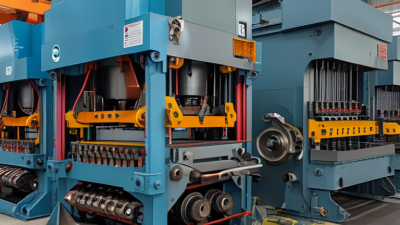
The best aluminum extrusion press is not simply the one with the highest rated force. It should hold repeatable ram speed, stable billet temperature, and accurate alignment under real production loads. Operators can check these conditions through trial runs, temperature readings, dimensional inspection, and energy use per tonne. A smooth cycle matters. So does a press that is straightforward to maintain.
Energy performance deserves careful measurement, not assumptions. The International Aluminium Institute’s Aluminium Recycling fact sheet reports that recycling aluminum uses about 5% of the energy required to produce primary aluminum. That is a material-level comparison, not proof that any extrusion press is efficient. Buyers should record the press’s electricity use per tonne and compare equivalent profiles, alloys, and production conditions. Otherwise, the numbers can mislead.
Reliability also shows up in small details: consistent container heating, safe die changes, clear fault records, and readily available technical support. A specification sheet may look convincing, yet overlook downtime between runs. That is easy to miss. A useful acceptance test should track scrap rate, output, temperature variation, and maintenance needs over several shifts. No test is perfect, but observed production is stronger evidence than promises.
Which Is the Best Aluminum Extrusion Press Machine in China?
What Makes an Extrusion Press Machine the Best?
The best aluminum extrusion press is not necessarily the machine with the highest tonnage. A balanced system should provide sufficient extrusion force, stable speed control, high product consistency, efficient energy use, reliable automation, and easy maintenance. These practical criteria are shown as a weighted evaluation model for selecting an industrial press.
Leading Chinese Aluminum Extrusion Press Manufacturers
Which Is the Best Aluminum Extrusion Press Machine in China?
Leading Chinese aluminum extrusion press manufacturers are competing in a market shaped by strong domestic demand. The International Aluminium Institute reported that China produced about 41.6 million tonnes of primary aluminum in 2023. That scale supports a deep supply chain for billets, hydraulic systems, dies, and automation. Industry reports from Grand View Research also indicate steady global growth in aluminum extrusion demand through 2030, especially in transportation, construction, and renewable energy.
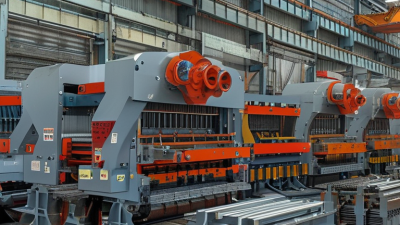
A capable Chinese manufacturer should offer more than a large tonnage number. Ask for verified output records, press-cycle data, energy consumption, and installation references. A 12–25 MN press may suit common architectural profiles, while heavier automotive sections require greater force and tighter process control. Look closely at billet temperature stability, extrusion speed, container design, and PLC diagnostics. Small details matter.
Factory experience is useful. Still, experience can be uneven between projects. I would request trial extrusions using your actual alloy and profile drawings. Independent inspection can confirm alignment, hydraulic pressure, safety functions, and spare-part quality. Some quotations look attractive until commissioning, training, and downtime are included. The best choice is rarely the cheapest machine; it is the manufacturer that documents performance, responds quickly, and accepts measurable responsibilities. One weakness remains easy to miss: after-sales support in another time zone may become a production problem.
How to Choose the Right Machine for Your Production Needs
Choosing the right aluminum extrusion press starts with production details, not maximum tonnage. Define alloy grades, billet diameter, profile size, wall thickness, and target output. A press rated for 2,000 tonnes may underperform with poor billet heating or weak die control. In practical plant evaluations, stable ram speed and repeatable temperature often matter more than headline force.
The International Energy Agency reports that aluminum production creates around 2% of global carbon dioxide emissions. Energy efficiency therefore deserves serious attention. Compare motor efficiency, heating losses, idle power, and recovery systems.
The International Aluminium Institute also reports that recycled aluminum can use about 95% less energy than primary aluminum. If your factory processes recycled billet, check whether the press supports variable billet quality without excessive rejects.
Tips: Request production trials using your actual alloy and profile. Measure kilograms per hour, energy per tonne, cycle stability, and scrap rate. Inspect maintenance access closely. A cheaper machine can become expensive after repeated downtime. I would also question optimistic supplier estimates; real output changes with die complexity, operator skill, and billet temperature. Leave space for future automation, but avoid paying for systems your team cannot maintain.