How to Choose the Best Industrial Aluminum Extrusion Suppliers?
The Industrial Aluminum Extrusion market is pivotal in various sectors, from construction to automotive. According to a recent report by Smithers Pira, the global aluminum extrusion market is projected to grow at a CAGR of over 6.7% from 2021 to 2026. As demand rises, selecting the right suppliers becomes crucial.
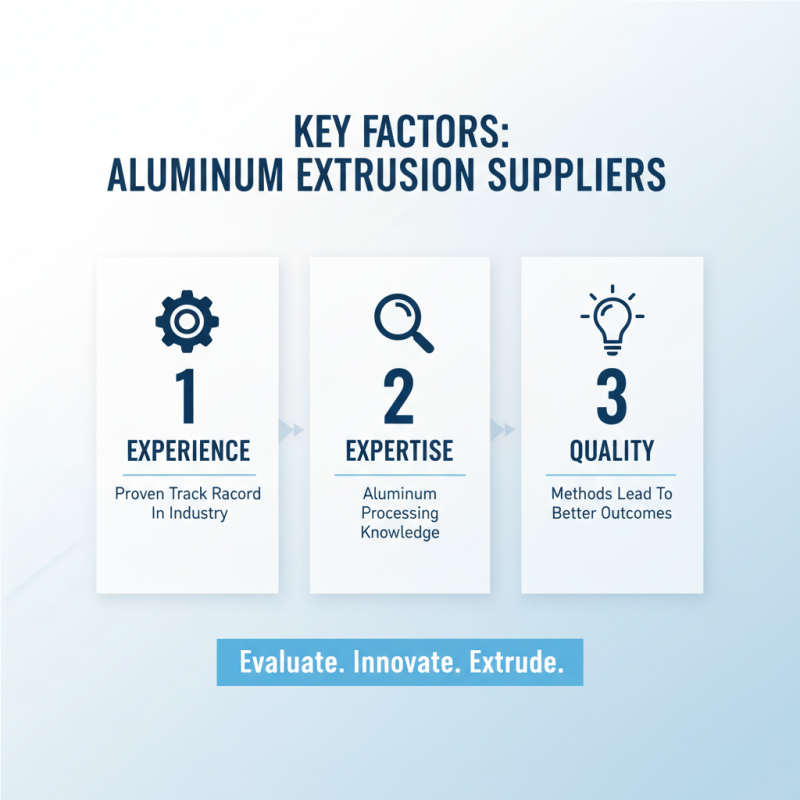
Quality and reliability are vital. Factors like supplier experience and production capabilities can significantly impact project success. Many businesses overlook these elements, leading to costly mistakes. Relying on suppliers with proven track records ensures consistent material quality and timely delivery.
Choosing a supplier can be daunting. It requires balancing cost against experience and product quality. Many companies struggle to find this equilibrium, which can lead to project delays or inferior products. A well-researched approach can mitigate these issues, enhancing operational efficiency.
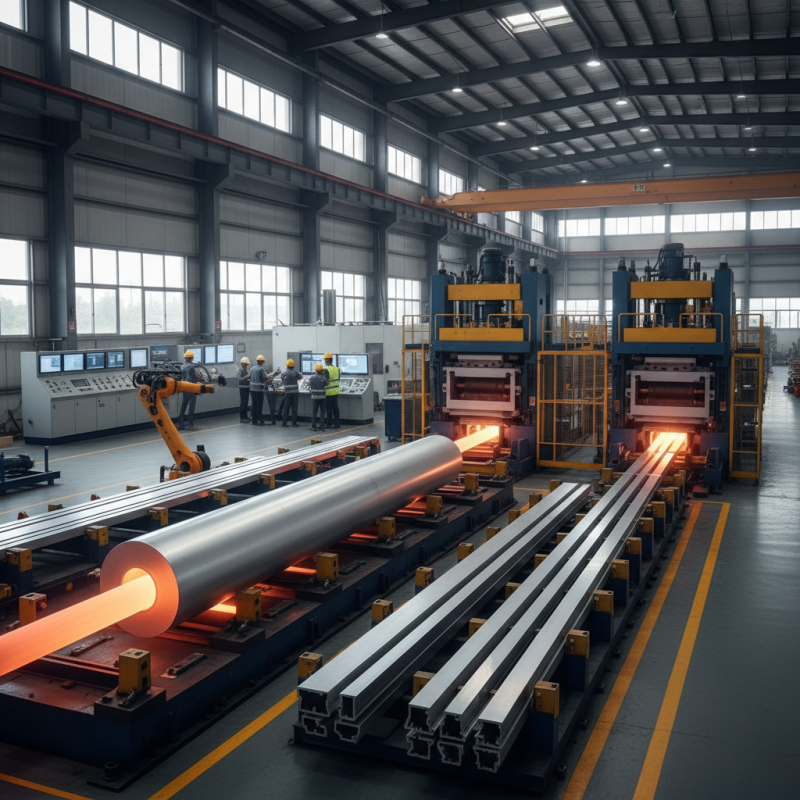
Understanding the Importance of Selecting Quality Aluminum Extrusion Suppliers
Selecting quality aluminum extrusion suppliers is crucial for industrial operations. The right supplier influences product quality, cost, and delivery times. It's important to understand what makes a supplier reliable. Look for experience in the industry. A supplier with a solid track record likely has the technical know-how to meet your needs.
Tip: Assess the materials used by potential suppliers. High-quality aluminum ensures durability and performance. Always ask for samples before making a decision. Checking certifications can also provide insight into a supplier's operational standards.
Another key aspect is communication. A responsive supplier can address issues swiftly. Poor communication can lead to misunderstandings, delays, and losses. Building a strong relationship with your supplier is necessary for smooth operations.
Tip: Consider visiting the supplier’s facility if possible. This gives you firsthand insight into their processes and capabilities. Notice their attention to detail and quality control measures. While cost is important, prioritizing quality may save money in the long run. Recognizing the value of quality means acknowledging the risks of choosing hastily.
Assessing Supplier Capabilities: Equipment, Technology, and Expertise
When selecting industrial aluminum extrusion suppliers, evaluating their equipment, technology, and expertise is crucial. Advanced machinery directly influences production quality. A supplier with state-of-the-art extrusion presses and CNC machining centers can ensure precise specifications. According to a recent industry report, 75% of high-performing companies invest heavily in modern equipment. This investment leads to better material quality and improved efficiency.
Suppliers must showcase their expertise in aluminum alloys and fabrication techniques. Knowledgeable staff can significantly impact project outcomes. A company with skilled engineers can tailor solutions to specific needs. An industry survey revealed that 80% of clients prefer suppliers who provide technical support and innovative solutions. It's vital to ask potential suppliers about their workforce experience and ongoing training initiatives.
Sustainability is also a key consideration. Suppliers should follow industry standards to minimize waste. Compliance with environmental regulations reflects a commitment to responsible manufacturing. Look for certifications that indicate adherence to sustainability practices. These practices not only enhance your supply chain but also improve your company's reputation. Choosing a supplier requires careful thought. Weighing equipment capabilities against current and future needs is essential.
How to Choose the Best Industrial Aluminum Extrusion Suppliers?
| Supplier Type |
Equipment |
Technology |
Expertise |
Lead Time |
| Supplier A |
State-of-the-art extrusion presses |
Advanced CAD/CAM software |
Over 20 years in the industry |
4-6 weeks |
| Supplier B |
Modern automated extrusion lines |
Robotics integration |
15 years of specialized experience |
3-5 weeks |
| Supplier C |
High-capacity extrusion machinery |
Quality control technologies |
Certified engineering team |
5-7 weeks |
| Supplier D |
Custom extrusion capabilities |
Innovative design solutions |
Diverse project experience |
6-8 weeks |
Checking Supplier Reputation: Reviews, Certifications, and Client Testimonials
When selecting the best industrial aluminum extrusion suppliers, checking their reputation is crucial. Reviews, certifications, and client testimonials offer insights into a supplier’s reliability. Authentic reviews highlight past experiences. Look for patterns in feedback. A consistent string of positive reviews is encouraging. However, watch for overly enthusiastic comments. They can indicate bias.
Certifications are significant indicators of quality. A supplier’s adherence to industry standards showcases their commitment to excellence. Be sure to verify the legitimacy of these certifications. Look for specific qualifications that align with your requirements. Understanding these credentials adds to your trust in a supplier's capabilities.
Client testimonials can reveal much about a supplier. Seek out detailed testimonials that describe specific projects. These accounts provide a clearer picture of the supplier's strengths and weaknesses. Reflect on their experiences. Were deadlines met? How was the communication? Evaluating such details can help you make a more informed decision.
Tips: Always check for independent reviews rather than those showcased on the supplier's website. Engage directly with previous clients to gather firsthand insights. This practice can uncover invaluable information you won’t find elsewhere.
Supplier Reputation Analysis
This chart represents the key metrics used to assess the reputation of industrial aluminum extrusion suppliers. Metrics include Customer Reviews, Certification Status, Client Testimonials, and Industry Experience, which are crucial for making an informed choice.
Exploring Cost and Lead Time: Balancing Quality with Affordability in Procurement
When exploring the procurement of industrial aluminum extrusion, balancing cost and lead time is crucial. A comprehensive study indicates that over 40% of businesses prioritize cost above all. However, lowering costs can often compromise quality. Some suppliers may offer lower prices, but this may result in inferior materials or methods that lead to increased defects. Manufacturers should carefully evaluate each potential supplier's production capabilities and quality assurance processes.
Lead time also plays a significant role in procurement decisions. According to industry reports, a reduced lead time can lead to a cost increase of approximately 15-20%. Many companies aim for quick turnarounds to stay competitive. Yet, this urgency can sometimes result in rushed production, raising the risk of errors. Suppliers with robust supply chain management systems often provide a better balance between lead time and quality.
Ensuring reliable delivery schedules can markedly influence operational efficiency. According to a survey, 70% of businesses experienced disruptions due to poor supplier reliability. Therefore, proactive engagement and clear communication with suppliers can mitigate risks and enhance overall procurement success. Organizations should continuously assess their partnerships to align quality, cost, and timelines effectively.