How to Choose the Right Aluminum Extrusion for Your Project?
Choosing the right aluminum extrusion for your project can be a daunting task. This specialized component plays a critical role in various industries, offering strength, versatility, and lightweight properties. According to a report by Smithers, the global aluminum extrusion market was valued at $52.36 billion in 2020 and is projected to grow significantly. Such numbers indicate the increasing reliance on aluminum extrusions across different sectors.
Expert James L. Anderson, a recognized authority in the aluminum industry, highlights this importance: "Selecting the right extrusion can mean the difference between project success and failure." His words echo the sentiments of many engineers who face challenges related to material selection. Understanding the unique characteristics of aluminum extrusion is essential. Each project presents its own set of requirements, whether it is for structural applications or aesthetic designs.
Yet, it's crucial to avoid common pitfalls. Misjudging the specifications or quality can lead to significant delays and cost overruns. Researching standards and consulting with industry specialists can pave the way to informed decisions. The path to selecting the ideal aluminum extrusion is not always straightforward. However, the right knowledge and resources can help navigate this complex landscape effectively.
Understanding Aluminum Extrusion Types and Applications
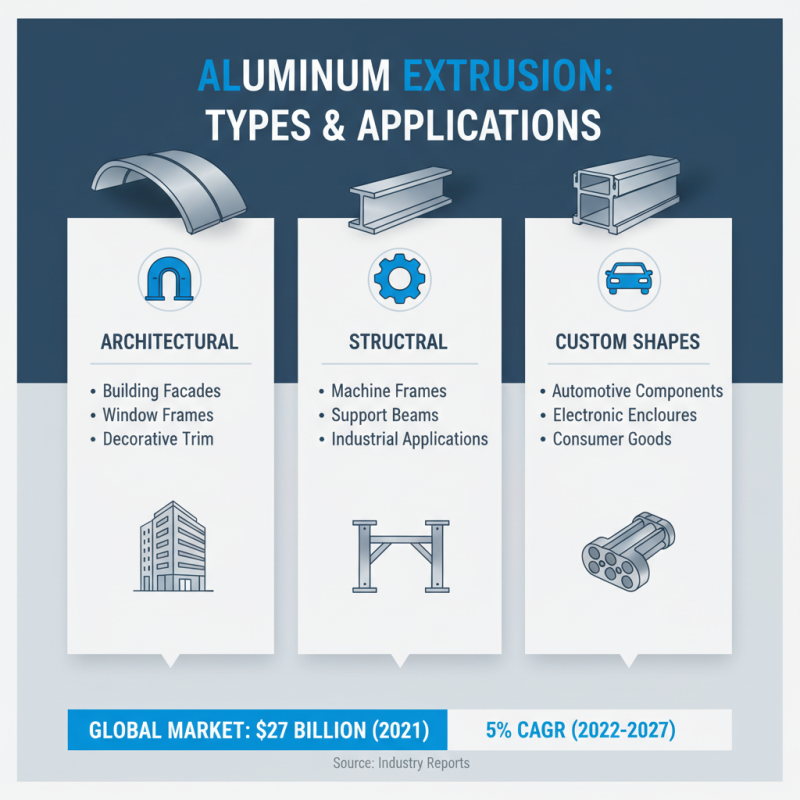
Aluminum extrusion has become a vital manufacturing process across various industries. Knowing the right type of aluminum extrusion is crucial for your project’s success. There are several common types, including architectural, structural, and custom shapes. Each type serves different applications, such as building facades, frames, and automotive components. According to industry reports, the global aluminum extrusion market was valued at over $27 billion in 2021 and is expected to grow at a CAGR of approximately 5% through 2027.
When selecting an aluminum extrusion, consider your project's specific requirements. Material strength, corrosion resistance, and surface finish are some critical factors. Architectural extrusions are designed primarily for aesthetics and function in buildings. In contrast, structural extrusions provide robust support. Custom shapes can offer a tailored solution but may lead to higher production costs and longer lead times. Balancing performance and budget is essential.
Tips for choosing aluminum extrusions: Pay attention to the alloy type. For example, 6061 offers good mechanical properties and weldability, while 6063 is popular for architectural purposes. Keep in mind the need for surface treatments, which can enhance durability. Always consult with aluminum extrusion experts to discuss your specifications and avoid costly mistakes. Each project's needs can vary greatly, and learning from past experiences leads to better outcomes.
Assessing Project Requirements: Size, Shape, and Functionality
Choosing the right aluminum extrusion for your project requires a careful assessment of specific needs. Size is the first factor to consider. You must determine the dimensions that suit your design. Measure the space accurately. Understand how the extrusion will fit into your overall project. A small error in measurement can lead to significant issues later on.
Shape and functionality are equally important. Different shapes serve different purposes. For instance, some extrusions are better for structural strength, while others are ideal for aesthetic designs. Think about the load the extrusion needs to bear. This consideration impacts the thickness and profile you choose. Visualizing the end product can clarify your decision-making process.
Sometimes, overlooked details can lead to inefficiencies. These might include the manufacturing process of the extrusion or the finish required. Reflecting on these aspects may reveal potential setbacks in your project. It's crucial to balance aesthetics with practical functionality. Getting this right ensures a successful outcome in your aluminum extrusion project.
Aluminum Extrusion Choices Based on Project Requirements
Evaluating Material Properties: Strength, Weight, and Corrosion Resistance
Selecting the right aluminum extrusion involves evaluating key material properties such as strength, weight, and corrosion resistance. Aluminum is lightweight yet strong. It is crucial to match these properties to your project requirements. For instance, the yield strength of standard aluminum alloys ranges from 70 to 700 MPa, depending on the specific alloy and temper. This range allows engineers to select materials that can withstand various loads without deforming.
Weight is another important feature. Aluminum is known for being approximately one-third the weight of steel. This provides significant benefits for applications requiring lightweight structures. Some reports suggest that a reduction in weight can lead to increased efficiency in manufacturing and transportation. However, lightweight materials may occasionally compromise strength. A careful analysis of loading conditions can help avoid potential pitfalls.
Corrosion resistance varies among aluminum alloys. While aluminum naturally forms a protective oxide layer, not all alloys offer the same level of durability in harsh environments. For projects exposed to moisture or chemicals, selecting a corrosion-resistant alloy is essential. Consider utilizing industry data which indicates that some alloys can show up to 50% improved resistance in saline environments. Be mindful that assumptions about corrosion resistance can lead to failures if not properly validated.
How to Choose the Right Aluminum Extrusion for Your Project? - Evaluating Material Properties: Strength, Weight, and Corrosion Resistance
| Aluminum Alloy |
Tensile Strength (MPa) |
Density (g/cm³) |
Corrosion Resistance |
| 6061 |
310 |
2.70 |
Good |
| 6063 |
240 |
2.68 |
Excellent |
| 7075 |
570 |
2.81 |
Good |
| 3003 |
210 |
2.73 |
Fair |
| 5083 |
320 |
2.69 |
Excellent |
Choosing the Right Finish: Anodizing, Painting, and Natural Options
When selecting finishes for aluminum extrusions, understanding options is crucial.
Anodizing is a popular choice. It increases corrosion resistance and enhances surface durability. Reports indicate that anodized finishes can increase wear resistance by up to 20 times compared to untreated aluminum. This enhancement is significant for applications in harsh environments.
Painting aluminum is another viable option. Paint provides a broader range of color choices and aesthetic appeal. However, it may require more frequent maintenance than anodized surfaces. Industry studies reveal that painted finishes typically last around 5-10 years. The longevity can vary based on environmental factors and usage.
Natural finishes are also an option. They showcase the raw aluminum's look but offer minimal protection. While some projects may benefit from this aesthetic, the lack of barrier can lead to rapid oxidation in tough conditions. Reflecting on the trade-offs among these finishes can guide your final decision. Each choice has its strengths and vulnerabilities. Consider your project's unique needs carefully.
Determining Cost and Supplier Options for Aluminum Extrusions
When determining cost and supplier options for aluminum extrusions, it's essential to understand your project's specific requirements. Different projects may demand varying grades of aluminum. Some applications require strength and corrosion resistance, while others may prioritize weight. Knowing your needs helps in communicating effectively with suppliers.
Researching supplier options is also crucial. Look for suppliers with experience and good customer references. Pay attention to their delivery timelines and pricing structures. Request quotes from multiple vendors to compare costs. However, the cheapest option is not always the best. Reflect on quality, material sourcing, and customer support. Sometimes, an affordable price can mean inferior products.
Be mindful of minimum order quantities. Some suppliers have tiered pricing based on volume, which may influence your decision. If your requirements are small, consider local suppliers. They might offer more flexible ordering. Understanding the trade-offs in cost versus quality is key. Balancing these elements can ultimately determine the success of your project.