How to Choose the Right Aluminum Profile for Your Project?
When embarking on a project that requires an Aluminum Profile, careful selection is crucial. The global aluminum profile market is expected to reach a value of $100 billion by 2025, reflecting the increasing demand across various industries. However, choosing the right aluminum profile is not a straightforward task. There are numerous factors to consider, including the specific application, project requirements, and environmental conditions.
Understanding the different types of aluminum profiles available is essential. For instance, structural profiles offer strength, while decorative profiles enhance aesthetic appeal. Reports show that 70% of project failures stem from issues related to material selection. Achieving the right balance in functionality and cost is imperative. Yet, it often leads to confusion for project managers.
With a plethora of options, a tailored approach is key. Engaging with experts and adhering to detailed guidelines can mitigate risks. Exploring the nuances of aluminum profiles can ultimately lead to more successful project outcomes. Careful consideration today paves the way for future successes.
Understanding the Different Types of Aluminum Profiles Available
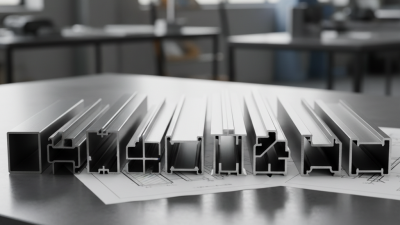
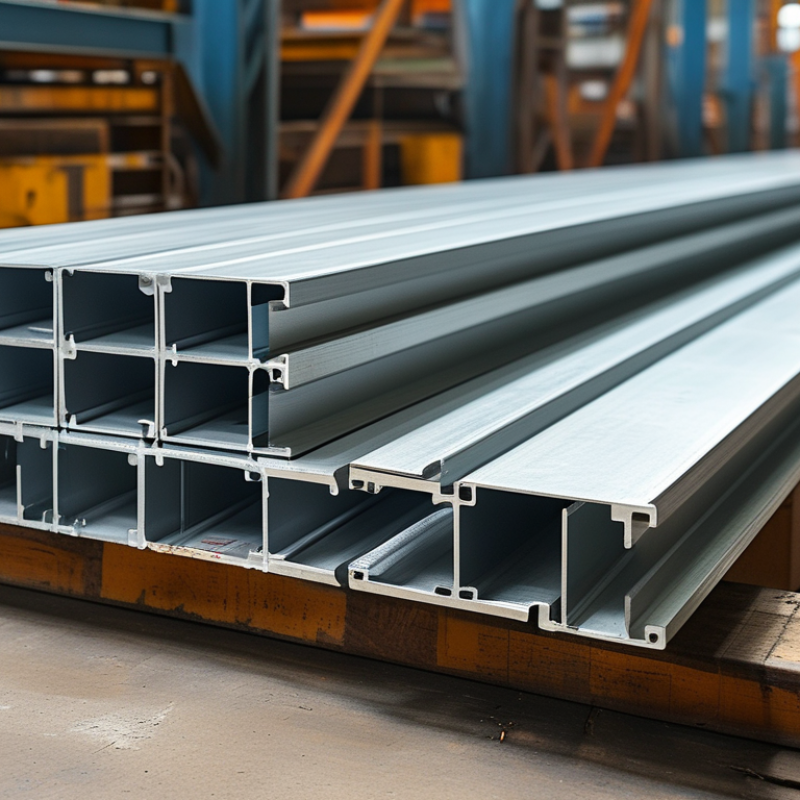
When selecting an aluminum profile for your project, it's crucial to understand the different types available. Aluminum profiles come in various shapes, including angles, channels, and T-sections. Each type serves specific purposes and varies in structural characteristics. For instance, structural angles are often used for support, while channels may be favored for framing applications. According to industry research, over 40% of construction projects utilize aluminum profiles, underscoring their importance.
Understanding the specifications of each profile type can streamline your project. Profiles are categorized by their alloy composition, which impacts strength and corrosion resistance. The 6061 alloy offers excellent weldability, making it a popular choice in construction. Conversely, 7075 alloy is ideal for applications requiring high strength but is less weldable. Always assess the environmental conditions of your project to choose a suitable profile type.
**Tip:** Before purchasing, review weight loads and application requirements. Regularly check industry updates on aluminum standards.
Improper selection can lead to structural failures or increased costs. Not all profiles fit every project, and sometimes, compromise is necessary. Like all materials, aluminum profiles have limits. Experimenting with different alloys and shapes might yield unexpected results, sometimes requiring further adjustments.
**Tip:** Consult with professionals or engineers to get tailored advice. Their experience can highlight potential challenges you might overlook.
How to Choose the Right Aluminum Profile for Your Project?
| Profile Type |
Applications |
Advantages |
Considerations |
| T-Slot Profiles |
Framing, Assembly |
Versatile, Easy to Assemble |
Requires T-nuts, Additional Hardware |
| Rectangular Profiles |
Structural Applications |
High Strength, Stable |
Limited Flexibility in Designs |
| Round Profiles |
Piping, Frameworks |
Good for Flow, Lightweight |
May Require More Reinforcement |
| Angle Profiles |
Bracing, Support Structures |
Strong, Cost-Effective |
Less Aesthetically Pleasing |
| Channel Profiles |
Guides, Tracks |
Good Load Distribution |
May Need Additional Supports |
Key Factors to Consider When Selecting Aluminum Profiles
When selecting aluminum profiles, consider the specific application requirements. The type, shape, and size of the profiles play a crucial role. For structural uses, thicker profiles provide strength. However, for aesthetic applications, thinner, elegant designs may be more appropriate. Pay attention to the material alloy as well. Different alloys offer varying levels of strength, corrosion resistance, and weight.
Another important factor is the finish of the aluminum. Anodized finishes enhance durability and appearance. However, not all finishes are created equal. Some may require more maintenance than others. Consider the environment where the profile will be used. Will it be exposed to harsh weather or chemicals? This can influence your choice significantly.
Finally, think about manufacturing capabilities. Not all suppliers can create the exact profile you envision. Custom profiles may incur higher costs and longer lead times. Reach out to experts in the field to discuss your requirements. They can provide valuable insights and suggest alternative solutions. Reflect on your needs and ensure that the chosen profile aligns with your project goals.
Evaluating Strength and Durability Requirements for Your Project
When evaluating strength and durability for your aluminum profile project, it's crucial to understand the specifications. Aluminum is known for its lightweight traits, but not all profiles are the same. For example, the yield strength of aluminum can range from 70 MPa to over 600 MPa, depending on its grade. This variance impacts how it handles loads and stress in various applications.
It's also essential to consider environmental factors. Corrosion resistance is often a concern when aluminum is used outdoors. According to industry reports, a protective anodized finish can increase the lifespan of aluminum profiles significantly. This surface treatment can reduce corrosion rates, especially in harsh environments.
Tip: Always analyze your project's requirements. If high strength is needed, opting for a high-grade aluminum alloy might be necessary. On the other hand, if the profile is for decorative use, lighter options may be sufficient. Balancing strength and weight can be tricky, so test the profiles before finalizing your choice.
Remember, the perfect aluminum profile might not exist. You may need compromises between cost, weight, and strength. Regular feedback from industry experts can help make better decisions. Engaging with professionals and asking for their insights can guide your project.
Aluminum Profile Strength and Durability Evaluation
Determining the Right Dimensions and Specifications for Your Needs
When selecting an aluminum profile, precise dimensions and specifications are crucial. You must first assess the project requirements. The profile should suit the intended use, whether for structural support or aesthetic purposes. Consider the load-bearing capacity needed. This often dictates the thickness and width of the profile.
Another essential aspect is the finishing of the aluminum. Different coatings can enhance durability and appearance. Determine if you need anodized finishes for corrosion resistance or powder coating for color versatility. Pay attention to tolerances, as even slight deviations can affect the overall functionality.
Keep in mind, mistakes in size or material can be costly. Take accurate measurements before finalizing decisions. It’s also wise to consult with professionals for guidance. They can offer insights based on experience, helping to avoid common pitfalls. Remember, the right choice enhances your project’s integrity and lifespan.
Cost Considerations: Budgeting for Aluminum Profiles in Your Project
When budgeting for aluminum profiles, understanding costs is crucial. Aluminum can be more expensive than alternatives like wood or steel. However, its unique properties often justify the cost. For instance, aluminum's weight-to-strength ratio makes it ideal for various applications.
According to a recent industry report, the average cost of aluminum profiles ranges from $2 to $6 per kilogram, depending on the alloy and finish.
Unanticipated expenses can arise. Installation and transportation can add to overall project costs. It's essential to factor these potential extras into your budget. A study indicates that about 20% of project budgets overrun due to hidden costs. To avoid this, consider consulting experts who can provide accurate estimates based on your specific needs.
Fluctuations in aluminum prices also make budgeting challenging. Market dynamics can influence costs significantly. Recent data shows that aluminum prices increased by 15% over the last year. Understanding these trends helps in planning. It also avoids unexpected financial strain during the project. Always keep a contingency fund to manage these uncertainties effectively.