Top 10 Industrial Aluminum Profile Uses You Should Know?
Industrial Aluminum Profiles are increasingly important in various sectors. Their versatility allows for numerous applications in manufacturing, construction, and more. These profiles offer unique solutions to the industry's challenges.
In many cases, companies are realizing the benefits of using these materials. For instance, they provide lightweight structures without sacrificing strength. This makes them ideal for complex designs and durable applications. However, some businesses still struggle to fully leverage their potential.
Understanding the top uses of Industrial Aluminum Profiles can guide professionals in optimizing their operations. From automation to architectural structures, these profiles can enhance efficiency and performance. As industries evolve, the demand for innovative applications will continue to grow. Therefore, examining their diverse uses is vital for staying competitive.
Overview of Industrial Aluminum Profiles
Industrial aluminum profiles serve a vital role in various applications, thanks to their unique properties. These profiles are lightweight yet strong, making them an ideal choice for construction and engineering. According to a report by the International Aluminum Institute, the demand for aluminum in industrial applications is expected to grow by 5% annually. This highlights the increasing reliance on aluminum in modern industries.
One key area of use is in manufacturing machinery frameworks. Aluminum profiles form the backbone of machinery assemblies due to their high strength-to-weight ratio. They offer flexibility in design, allowing for custom setups tailored to specific operational needs. Moreover, they are resistant to corrosion, ensuring durability over time.
Another significant application is in architectural structures. Aluminum profiles are commonly used for window frames, door frames, and curtain walls. Their thermal efficiency is an added benefit, contributing to energy-saving building designs. A recent study indicated that buildings utilizing aluminum profiles could see energy savings of up to 30%. This data underscores the importance of incorporating aluminum in sustainable architecture.
While the advantages are clear, the industry still faces challenges. Cost fluctuations and environmental concerns about aluminum production need to be addressed. Continuous research is essential to improve both production methods and recycling processes to ensure a sustainable future for aluminum profiles.
Common Applications in Manufacturing Industries
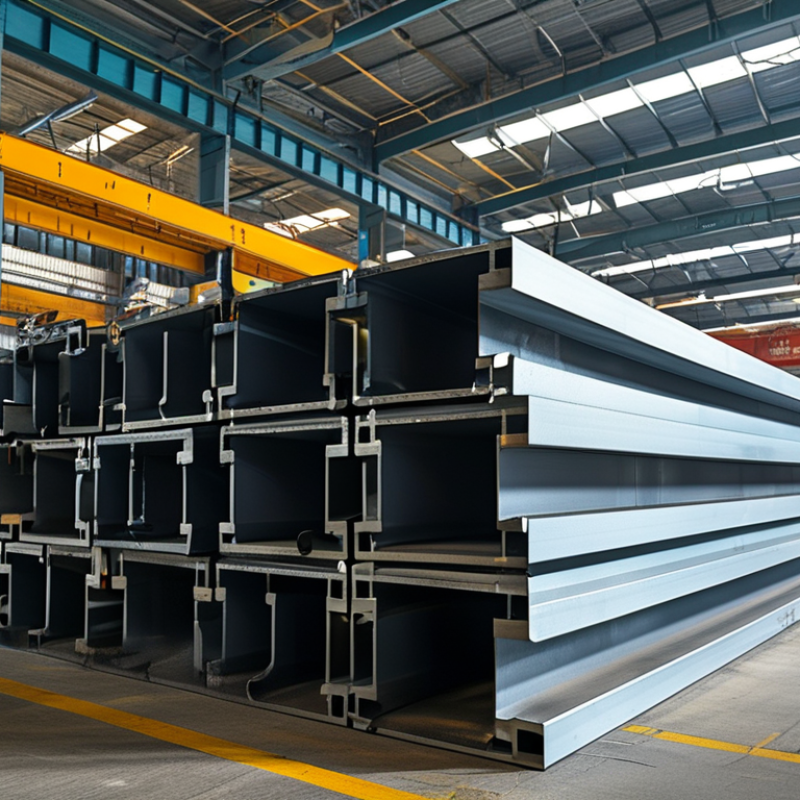
Aluminum profiles are essential in various manufacturing industries. Their lightweight and durable properties make them a preferred choice in many applications. In construction, they provide frame structures, window frames, and even partitions. Their resistance to corrosion ensures longevity in harsh environments.
In the automotive industry, aluminum profiles are used for chassis and body components. They help reduce overall vehicle weight, improving fuel efficiency. This application demonstrates the importance of material choice in modern engineering. However, challenges exist. Proper design and finishing are necessary to achieve the desired mechanical properties.
Another notable application is in the aerospace sector. Here, aluminum profiles are crucial for aircraft design. They contribute to overall structural integrity while maintaining a low weight. Yet, the complexity of manufacturing processes can lead to inconsistencies. Manufacturers must invest time in quality control. This highlights the need for ongoing industry education. Understanding the nuances of aluminum usage can foster innovation and improvement within these applications.
Utilization in Construction and Architectural Design
Aluminum profiles have become essential in construction and architectural design. Their lightweight nature and corrosion resistance make them ideal for various applications. Architects appreciate them for creating sleek, modern structures. Aluminum's ability to be shaped into different profiles allows for innovative designs.
Tips: Consider the thermal and acoustic properties of aluminum when designing. Choosing the right profile can significantly impact energy efficiency.
Many buildings today feature aluminum window frames and curtain walls. These elements not only look stylish but also improve insulation. Using aluminum ensures durability while minimizing weight. It is crucial to balance aesthetics with functionality.
Tips: Always evaluate the load-bearing capacity of aluminum profiles in high-rise buildings. This can prevent structural issues in the long term. Architects should also keep in mind the lifecycle of materials to promote sustainability.
Top 10 Industrial Aluminum Profile Uses
Role in Transportation and Automotive Sectors
Aluminum profiles play a crucial role in the transportation and automotive sectors, primarily due to their lightweight and durable nature. Industry reports indicate that the demand for aluminum in vehicle manufacturing is increasing. In 2022 alone, aluminum usage in vehicles rose by about 5%, primarily driven by the push for lighter components. As manufacturers strive to improve fuel efficiency, aluminum emerges as a favored material, reducing vehicle weight by up to 50% compared to steel.
In transportation, aluminum profiles are essential for constructing components such as chassis, frames, and body panels. The versatility of aluminum allows for various designs, enhancing aerodynamics and structural integrity. A report by the Aluminum Association suggests that using aluminum can lead to a 10-15% reduction in energy consumption for electric vehicles, highlighting its effectiveness in the transition to sustainable transport.
**Tip:** When designing with aluminum, consider the manufacturing processes that can enhance material properties. Techniques like extrusion and anodization can provide additional strength and corrosion resistance.
**Reflection:** Despite its advantages, there are challenges in integrating aluminum. It requires special welding techniques and can be more expensive than other materials. A balanced approach is necessary to maximize benefits while addressing these hurdles.
Innovative Uses in Electronics and Technology Fields
Aluminum profiles are gaining momentum in the electronics and technology sectors. Their lightweight and corrosion-resistant properties make them ideal for various applications. According to a recent market analysis, the global demand for aluminum profiles in electronics is projected to reach $11 billion by 2027. This highlights the crucial role aluminum plays in modern technology.
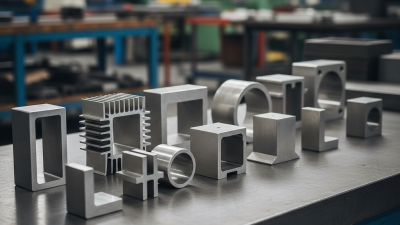
One key application is in the production of heat sinks. These components dissipate heat in electronic devices, ensuring optimal performance. Efficient heat management is critical as devices become more compact. A study indicated that aluminum is four times better at conducting heat than plastic. This advantage drives its adoption in smartphones and computers.
Another innovative use of aluminum profiles is in solar panel frames. With the renewable energy sector expanding, aluminum's lightweight nature aids in transportation and installation. A report states that aluminum frames can reduce the overall weight of a solar panel system by up to 30%. However, challenges remain in recycling and sustainability practices. Ensuring the lifecycle of aluminum products is a pressing concern that the industry continues to address.
Top 10 Industrial Aluminum Profile Uses You Should Know
| Use Case |
Description |
Advantages |
Applications |
| Electronics Enclosures |
Used for housing electronic components due to its durability and lightweight nature. |
Corrosion resistance, lightweight, good thermal conductivity. |
Computers, servers, and home appliances. |
| Heat Sinks |
Aluminum profiles are used to dissipate heat in electronic devices. |
Excellent thermal management and lightweight solution. |
LED lighting, computer processors, and power supplies. |
| Framework for Automation Machinery |
Used for building structures for robotics and automation equipment. |
High strength-to-weight ratio and modular design. |
Manufacturing plants and assembly lines. |
| Display Stands |
Lightweight and adjustable display stands for retail environments. |
Versatile design and easy to customize. |
Retail stores and exhibitions. |
| Solar Panel Frames |
Provides structural support for solar panels. |
Lightweight, strong, and corrosion-resistant. |
Residential and commercial solar installations. |
| Automotive Components |
Used in car manufacturing for various components. |
Reduces vehicle weight and improves fuel efficiency. |
Car frames, interior parts, and heat exchangers. |
| Aerospace Structures |
Utilized in aircraft for lightweight structural components. |
High strength-to-weight ratio essential for flight efficiency. |
Airframes and wing structures. |
| Railway Systems |
Used in components of trains and railway infrastructure. |
Durable against environmental factors and high loads. |
Train frames, track systems, and commuter hubs. |
| Bicycle Frames |
Manufactured for lightweight and strong bicycle frames. |
Improves speed and performance. |
Road bikes, mountain bikes, and racing bikes. |