Top 10 Aluminum Extrusion Moulds You Must Consider?
In the world of manufacturing, aluminum extrusion moulds play a vital role. They shape the future of various industries, enhancing production efficiency. John Adams, an industry expert with over 20 years of experience, states, “Choosing the right Aluminum Extrusion Mould can significantly impact product quality and production time.”
Selecting the best mould is not just about specifications. It involves an understanding of materials and design. Characteristics like thickness and shape can determine success. The wrong choice may lead to wastage and increased costs. It's essential to consider various factors, such as durability and compatibility with machinery.
Navigating the options can feel overwhelming. There are numerous designs to evaluate. Mistakes often occur in the selection process. Therefore, knowledge of top aluminium extrusion moulds is crucial. Understanding their features and benefits can help in making informed decisions. Reach out to experts when in doubt. Their insights can guide you toward the most suitable choices.
Understanding Aluminum Extrusion Moulds: A Comprehensive Overview
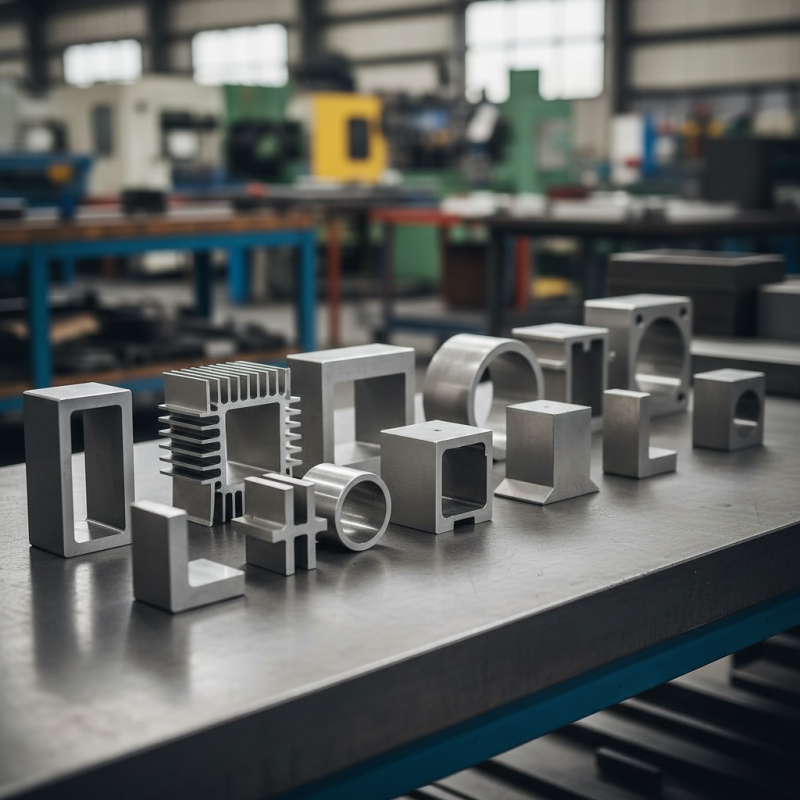
Aluminum extrusion moulds play a vital role in the manufacturing process. Understanding their design and functionality is crucial for effective production. Each mould is engineered to shape aluminum into specific profiles. These profiles can be used in various industries, such as construction and automotive. The precision in mould design directly impacts the quality of the final product.
Choosing the right mould involves assessing various factors. Temperature control, material selection, and die geometry must all be considered. For instance, the thickness of the mould can influence the cooling rate, affecting the extrusion's strength. Designers often need to strike a balance between durability and cost. Mistakes in these areas can lead to defects in the final extrusion.
While many experts offer guidance, the learning curve can be steep. Some rely heavily on experience, which may not cover all scenarios. This reliance on past knowledge can lead to challenges when facing new materials or designs. Continuous education and adaptation are essential. Overall, a thorough understanding of aluminum extrusion moulds enhances production processes and product quality, but reflection and adjustment are key to maximizing results.
Key Factors to Consider When Choosing Aluminum Extrusion Moulds
Choosing the right aluminum extrusion moulds is crucial in manufacturing. Key factors play a significant role in the decision-making process. One must consider the design complexity. A study shows that intricate designs often lead to increased production costs by 15-20%. Understanding the limitations of the extrusion process helps avoid costly mistakes.
Material selection is another critical factor. Aluminum alloy types significantly affect durability and performance. For instance, 6063 alloys are popular for their excellent corrosion resistance and aesthetic finish. They are often used in architectural applications. However, selecting the wrong alloy could lead to failures or subpar product quality.
Cost is also important. The upfront investment can vary substantially. A report suggests that companies can save up to 30% on mould costs by choosing the right design and materials. However, balancing cost with quality is essential. Low-cost options may compromise reliability and longevity. Making informed choices will lead to better outcomes in production efficiency and product lifespan.
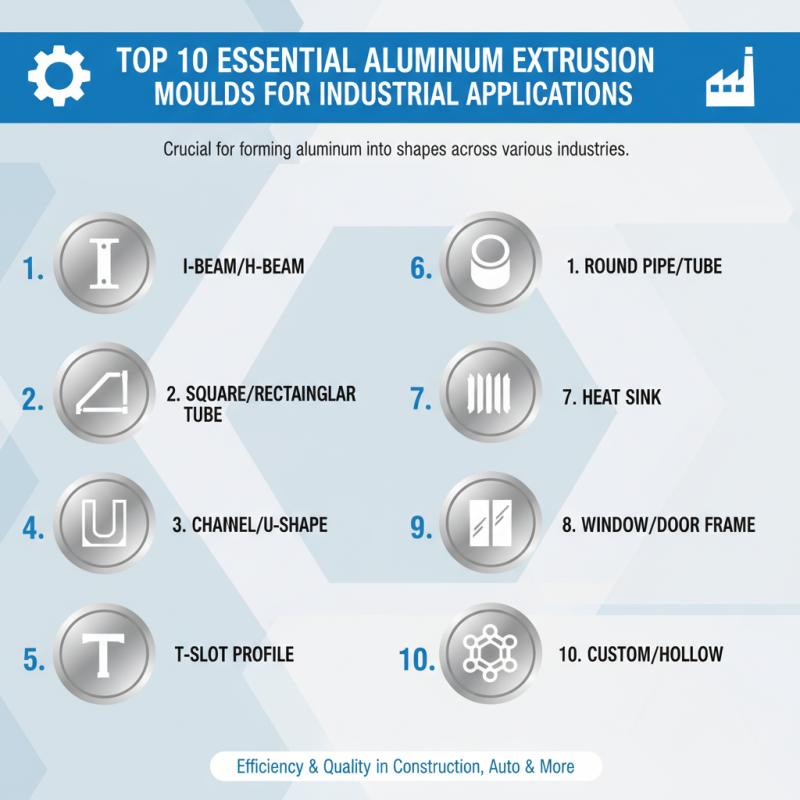
Top 10 Essential Aluminum Extrusion Moulds for Industrial Applications
When it comes to industrial applications, selecting the right aluminum extrusion mould is crucial. These moulds help form aluminum into various shapes for multiple uses. From construction to automotive, the right choice can impact efficiency and product quality.
Moulds vary in design and functionality. Some are meant for thin-walled sections, while others suit thicker profiles. Understanding your project's requirements is essential. For instance, if you need precision in angles or curves, ensure the mould is designed for such applications. It's not always straightforward; sometimes, prototypes reveal flaws.
Tip: Always prototype your design using 3D modeling or small runs. This can save time and material costs. You can identify potential issues before mass production.
Another aspect to consider is the cooling method. Some moulds use water-cooled channels for faster production. Others may rely on air cooling, which can slow processes. Choose according to your volume needs.
Tip: Communicate with your manufacturer about cooling options. They can offer valuable insights on what works best for your specific scenario. This dialogue can lead to more effective and innovative solutions.
Comparative Analysis of Aluminum Extrusion Mould Designs and Materials
Aluminum extrusion moulds play a crucial role in the manufacturing process. The design of these moulds can significantly affect production efficiency and product quality. Different materials used in mould construction also impact durability and costs. An experienced engineer must consider various factors when selecting a mould design and material.
Aluminum moulds are popular due to their lightweight and thermal conductivity. However, steel moulds offer superior strength and longevity. The choice between these materials depends on the specific application and desired output. Some experts argue that while aluminum is cost-effective, it may suffer from wear over time. This trade-off presents challenges for manufacturers looking for a balance between cost and quality.
Designs should also be versatile to meet varying production needs. Complex shapes may require more intricate mould configurations. This complexity can introduce potential flaws, leading to wasted materials. Manufacturers need to be mindful of these design challenges to maintain efficiency. Continuous innovation in mould technology is required to overcome such issues.
Best Practices for Maintaining and Enhancing Aluminum Extrusion Moulds
Maintaining and enhancing aluminum extrusion moulds requires careful attention and practice. Regular inspections can prevent costly downtimes. According to a study by the Aluminum Association, about 30% of production inefficiencies stem from improperly maintained equipment. Keeping moulds clean and in good condition is crucial for optimal performance.
Tips for Maintenance: Ensure that moulds are wiped down daily. Residues can cause defects in the extrusion process. Regularly check for wear and tear. Even minor damages can impact product quality.
Investing in high-quality lubricants can significantly extend the life of moulds. Reports suggest that proper lubrication can reduce operational wear by up to 50%. However, selecting the right lubricant based on the application is essential. Sometimes, trial and error is part of finding the best solution.
Training staff on best practices can also enhance mould longevity. Knowledgeable workers are better equipped to identify potential issues early. Reflect on past mistakes; each error can lead to improved methods and techniques. Balancing experience with ongoing education paves the way for more efficient operations in aluminum extrusion.