Top 10 Benefits of Aluminum Alloy Extrusion for Modern Manufacturing?
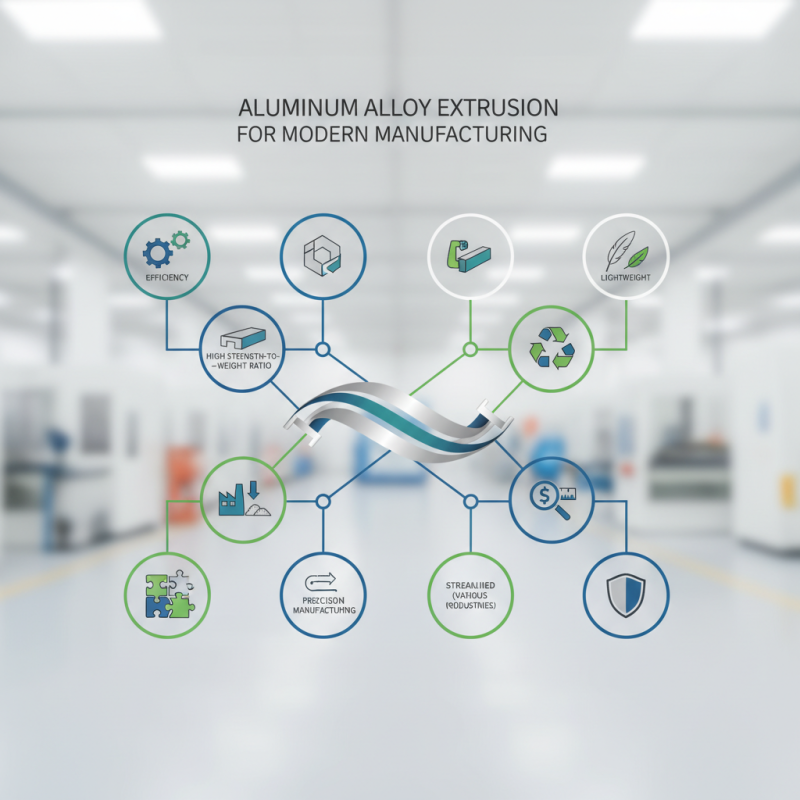
Aluminum Alloy Extrusion has transformed modern manufacturing. Its unique properties contribute to various industries. This process allows manufacturers to create complex shapes with precision. The lightweight nature of aluminum makes it ideal for many applications.
This technique ensures high strength-to-weight ratios. It also enhances design flexibility, enabling innovative solutions. Companies can achieve efficiency through streamlined production and reduced material waste. However, challenges exist, such as high initial costs and energy consumption during extrusion.
As the demand for sustainable practices grows, aluminum alloy extrusion offers a more eco-friendly option. Its recyclability is a significant advantage. Many businesses are leveraging these benefits for competitive advantage. Exploring the top ten benefits reveals the true potential of this manufacturing technique.
Advantages of Lightweight and High Strength in Aluminum Alloy Extrusions
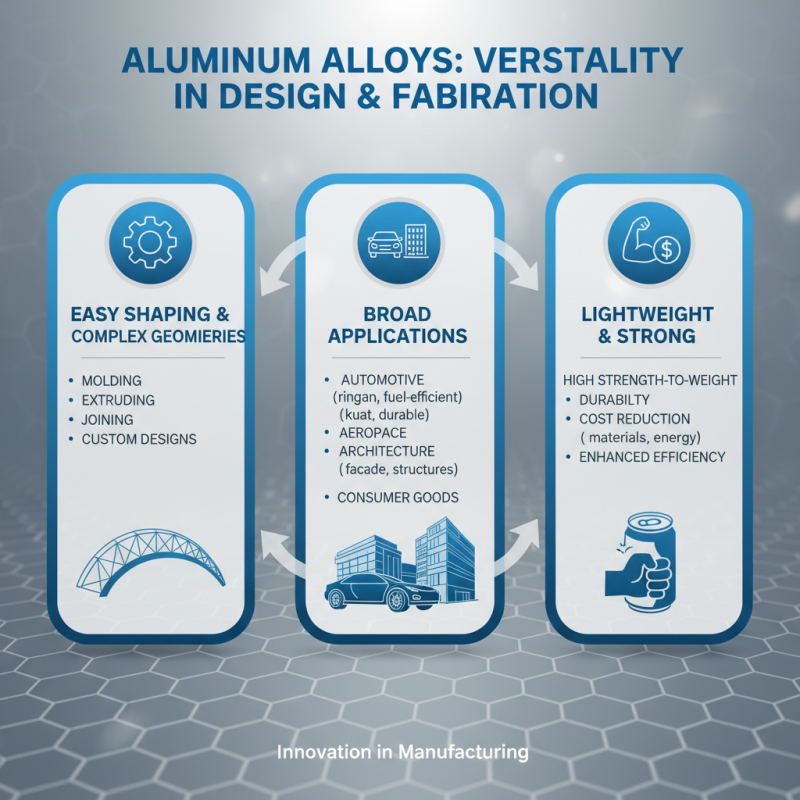
Aluminum alloy extrusions are transforming modern manufacturing due to their lightweight properties and impressive strength. Manufacturing components from aluminum alloys allows industries to reduce weight significantly. This reduction is crucial, especially in aerospace and automotive sectors, where every ounce counts. Lightweight materials lead to better fuel efficiency and performance.
High strength is another critical advantage of aluminum alloys. They can withstand considerable loads while remaining lightweight. This balance between weight and strength is rare in materials used today. In many applications, manufacturers can replace heavier materials without sacrificing quality. However, some engineers might underestimate the importance of proper design in maximizing these benefits.
Despite their many advantages, aluminum alloys are not without challenges. Fabrication methods can influence mechanical properties. For instance, improper cooling can lead to defects. Manufacturing teams must invest time in understanding alloy specifications and behavior during processes. Design and manufacturing require continuous reflection and learning to adapt to specific applications. Embracing a mindset of improvement is vital for harnessing the full potential of aluminum alloy extrusions.
Cost Efficiency and Sustainability in the Aluminum Extrusion Process
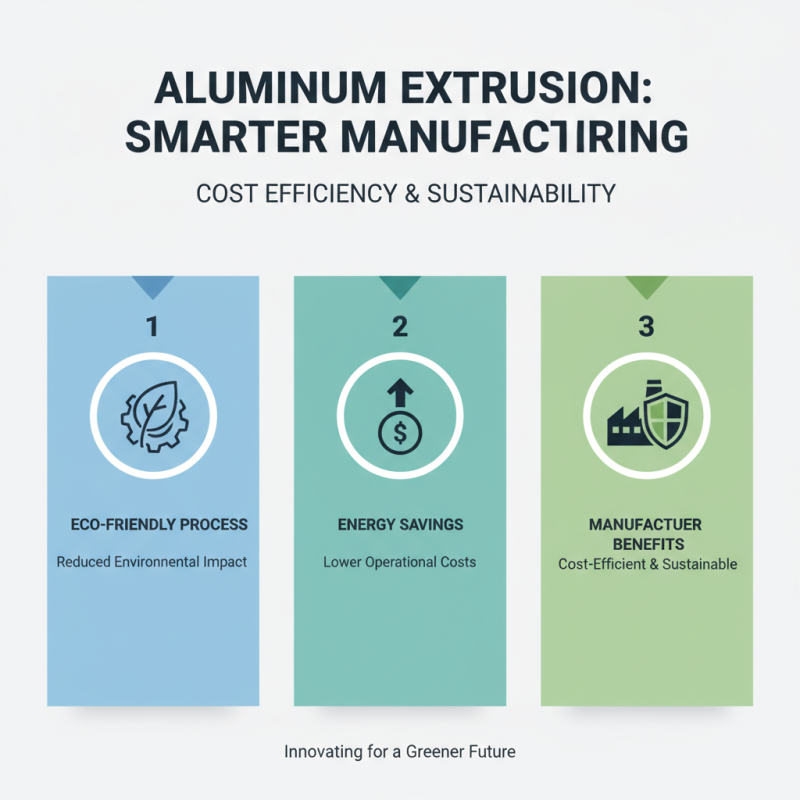
Sustainability is a key focus in modern manufacturing. Aluminum alloy extrusion stands out as a cost-efficient and eco-friendly process. It uses less energy compared to other manufacturing techniques. This results in lower operational costs and reduced environmental impact. Manufacturers often appreciate these benefits, yet some challenges remain.
Recycling is a crucial aspect of aluminum extrusion. The process allows for the reuse of scrap metal, minimizing waste. However, not all recycling programs are equally effective. Some facilities may struggle to implement comprehensive recycling systems. This can lead to increased emissions and waste levels. Addressing these shortcomings is essential for enhancing sustainability.
Adopting aluminum extrusion can lead to significant material efficiency. The lightweight nature of aluminum reduces transportation costs. Yet, misconceptions around its strength persist. Some might believe aluminum is weaker than other metals, which is not always true. This requires continuous education and research to correct. The balance between cost efficiency and sustainability can be complex but rewarding.
Enhanced Corrosion Resistance and Durability of Aluminum Alloys
Aluminum alloys are known for their exceptional corrosion resistance and durability. These properties make them ideal for modern manufacturing applications. According to the Aluminum Association, aluminum's natural oxide layer protects it from environmental damage. This layer is thin but effective. It helps in resisting rust and corrosion, which can be a significant issue for many materials.
In a study by the International Journal of Corrosion, aluminum alloys showed a remarkable resistance to both seawater and acidic conditions. This durability leads to longer product life cycles, reducing the need for replacements. Manufacturers can trust that aluminum extrusions will maintain their integrity over time.
However, not all aluminum alloys are created equal. The exact corrosion resistance can vary significantly based on the specific alloy and the production process. This variability means manufacturers must choose their materials carefully. Proper surface treatments and anodizing can enhance durability even further. It’s crucial to balance cost and performance in manufacturing decisions.
Improved Thermal and Electrical Conductivity in Manufacturing Applications
Aluminum alloy extrusion offers significant advantages in thermal and electrical conductivity, which are crucial in modern manufacturing. Research indicates that aluminum has about 60% better thermal conductivity than copper, making it a go-to material for heat management. Manufacturers often leverage this property to enhance efficiency in applications such as heat exchangers and radiators. The lightweight nature of aluminum allows for easier installation while maintaining effective heat transfer.
In electrical applications, aluminum alloys demonstrate excellent conductivity, with about 61% of copper's conductivity at a fraction of the cost. This feature makes aluminum beneficial for wiring, cable jackets, and other electrical components. For example, in the automotive industry, aluminum wiring can reduce overall vehicle weight, thus improving fuel efficiency. Yet, while these properties are advantageous, manufacturers must also consider the challenges. Issues like corrosion resistance and material fatigue in specific environments can impact long-term reliability.
Manufacturers should invest in thorough testing and validation to ensure that extruded aluminum components meet their specific application requirements. This proactive approach can mitigate potential failures due to environmental factors or improper use. When harnessed correctly, the thermal and electrical properties of aluminum alloy extrusion can significantly enhance product performance and operational sustainability.
Top 10 Benefits of Aluminum Alloy Extrusion for Modern Manufacturing
| Benefit |
Description |
Application |
| Lightweight |
Aluminum alloys are significantly lighter than steel, reducing overall component weight. |
Aerospace components |
| Corrosion Resistance |
Aluminum naturally forms a protective oxide coating, preventing rust and corrosion. |
Outdoor structures |
| High Strength-to-Weight Ratio |
Combines low weight with high tensile strength for durable components. |
Automotive parts |
| Thermal Conductivity |
Excellent conductor of heat, making it ideal for heat exchangers. |
HVAC systems |
| Electrical Conductivity |
Good electrical conductor, suitable for wiring and electronic applications. |
Electrical connectors |
| Malleability and Ductility |
Can be easily formed into complex shapes without breaking. |
Custom part manufacturing |
| Recyclability |
Easily recyclable, promoting sustainable manufacturing practices. |
Eco-friendly projects |
| Aesthetic Appeal |
Can be finished in various ways for a visually appealing surface. |
Consumer electronics |
| Cost-Effectiveness |
Lower material and manufacturing costs compared to other metals. |
General manufacturing |