INQUIRY
Inquiry
Form loading...

10 Essential Tips for Choosing Industrial Aluminum Profiles

When selecting Industrial Aluminum Profiles, experience and knowledge are crucial. According to Dr. Emily Johnson, an expert in materials engineering, "The right profile can significantly enhance product performance." This insight emphasizes the importance of informed choices in this industry.

Industrial Aluminum Profiles are versatile and widely used in various applications. Their effectiveness relies on various factors, including size, shape, and alloy type. Many professionals struggle to identify the best options for their needs, leading to trial and error. This trial often results in wasted resources and time. Engineers and designers must navigate this complex landscape carefully.

Making informed decisions requires more than just basic knowledge. Understanding the specifications, applications, and potential challenges can provide a competitive edge. By focusing on these elements, you can not only save costs but also improve operational efficiency. In a rapidly evolving industry, staying informed is essential for success and sustainability.
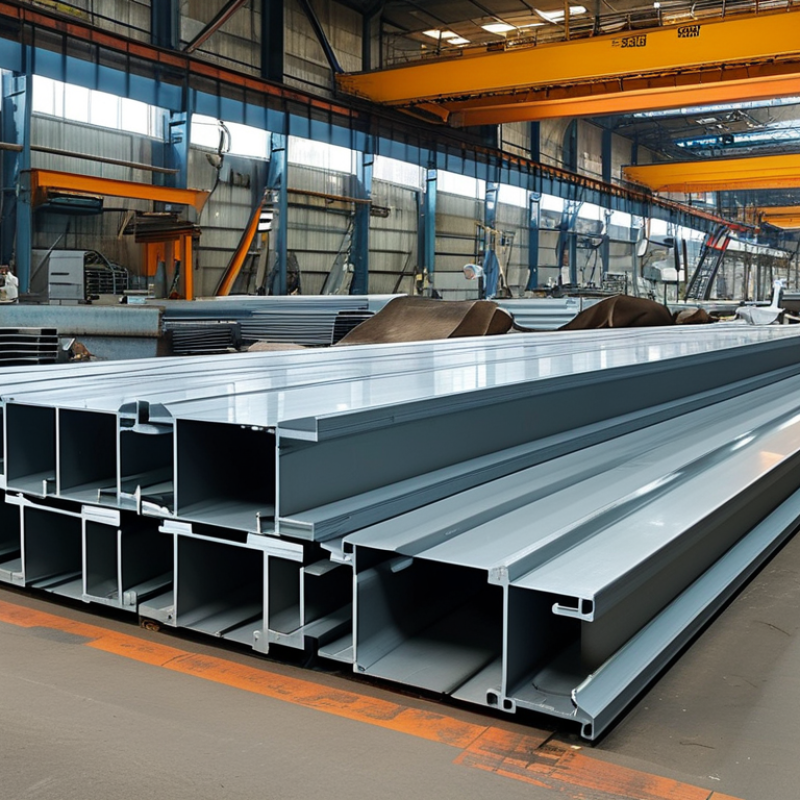
10 Essential Tips for Choosing Industrial Aluminum Profiles

Understanding the Importance of Industrial Aluminum Profiles

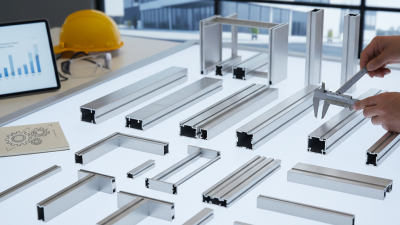
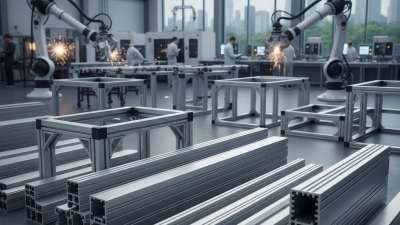
Industrial aluminum profiles are essential components in various manufacturing and construction processes. Their lightweight and high strength make them highly versatile. They are used in frames, machinery, and construction applications. Understanding their importance is crucial for companies aiming for efficiency and quality.

Choosing the right profiles can significantly affect project success. Factors like size, durability, and corrosion resistance play vital roles. A wrong choice may lead to structural issues. Companies should analyze their specific needs before purchasing. It can be tempting to opt for the cheapest option. However, low prices can lead to higher costs in the long run.

Professionals in the industry should consider the long-term benefits of quality materials. The right aluminum profiles contribute to product longevity and reduced maintenance. Reflecting on past projects may reveal insights about profile selections. In some cases, companies overlooked the importance of proper specifications and faced challenges later. Taking time to research and select suitable profiles ensures success and reliability in the final products.

Identifying Your Specific Project Requirements for Aluminum Profiles

When selecting industrial aluminum profiles, understanding your specific project requirements is crucial. A recent industry survey revealed that over 45% of engineers identified inadequate profile specifications as a major setback in project timelines. Therefore, thorough specifications are essential to avoid these pitfalls.

Consider the environment where the aluminum profiles will be used. Factors like exposure to humidity, temperature variations, and possible chemical interactions can significantly impact durability. The Aluminum Association reports that corrosion resistance can reduce maintenance costs by up to 30%. However, not all profiles offer the same level of resistance.

Next, evaluate the mechanical properties required for your project. Profiles need to withstand specific loads and stresses. Failing to match the profile's capabilities with project demands can lead to structural failures. According to the International Aluminum Institute, improper selection could increase the risk of accidents. Ensure that factors like tensile strength, yield strength, and fatigue resistance are considered. This evaluation can make a substantial difference in both performance and safety.

10 Essential Tips for Choosing Industrial Aluminum Profiles

Tip Number Tip Description Key Considerations Applications
1 Identify Project Specifications Load requirements, dimensions, and tolerance levels Structural frameworks, machine components
2 Consider Material Properties Strength, corrosion resistance, weight Transportation, outdoor applications
3 Evaluate Profile Shapes I-beams, square tubes, flat bars Construction, vehicle manufacturing
4 Assess Fabrication Options Extrusion, machining, welding Custom machinery, assembly lines
5 Check Surface Treatments Anodizing, powder coating Aesthetic projects, protection against elements
6 Understand Weight Limits Static vs. dynamic loads Heavy-duty machinery, load-bearing structures
7 Select the Right Supplier Reputation, quality assurance, and delivery time Long-term partnerships, rapid projects
8 Analyze Cost vs. Quality Balance between budget and durability Budget-sensitive projects
9 Consider Environmental Factors UV exposure, temperature fluctuations Outdoor installations, extreme conditions
10 Review Maintenance Requirements Longevity, upkeep frequency Industrial use, regular operations

Evaluating the Quality Standards of Aluminum Profiles

When evaluating the quality standards of aluminum profiles, understanding metrics is crucial. The Aluminum Association states that profiles should meet certain mechanical properties, like tensile strength and yield strength. For industrial applications, a tensile strength of at least 180 MPa is common. This ensures that the profiles can withstand significant loads without deforming.

Another vital aspect is the anodizing process, which enhances the corrosion resistance of aluminum. According to a recent industry report, approximately 30% of aluminum profiles processed are not sufficiently anodized. Insufficient anodizing can lead to premature failures, especially in harsh environments. Maintain a standard of at least 20 microns of anodic coating for optimal durability.

Finally, dimensions and tolerances must be precise. The ISO 9001 standards advocate for stringent control of manufacturing tolerances. A deviation exceeding 0.5 mm in critical dimensions can affect assembly and performance. Proper checks and balances should be in place to avoid such oversights. Quality assurance steps like third-party inspections can help identify and correct potential issues early in the production phase.

Comparing Different Types of Aluminum Alloys for Industrial Use

When choosing aluminum profiles for industrial use, understanding the different types of aluminum alloys is crucial. Each alloy offers unique properties suited for specific applications. For example, 6061 aluminum is known for its versatility and good mechanical properties. It's ideal for structural components. In contrast, 7075 aluminum excels in strength, making it popular for aerospace applications.

Yet, it's important to evaluate your needs carefully. Not every project requires high-strength materials. Sometimes, a lighter alloy can suffice. For instance, 3003 aluminum boasts excellent corrosion resistance and is a preferred choice for chemical environments. However, it may lack the strength for more demanding structures.

Reflect on your project's environment and performance requirements. Not all alloys perform well under high temperatures or harsh conditions. Utilizing the wrong alloy can lead to failures and increased costs. Analyzing application specifics and material properties helps you avoid potential failures. Proper research and consultation with experts can guide your choice effectively.

Comparison of Different Aluminum Alloys for Industrial Use

This chart illustrates the comparison of various aluminum alloys commonly used in industrial applications, showcasing their tensile strength and density. The 6061 alloy is renowned for its good mechanical properties, while the 7075 alloy demonstrates the highest tensile strength among the samples. Understanding these properties aids in selecting the right aluminum profile for specific industrial needs.

Considering Cost and Supplier Reliability in Your Selection Process

Choosing the right aluminum profiles for industrial applications requires careful consideration of cost and supplier reliability. According to a recent market analysis, the price of aluminum profiles has seen fluctuations of up to 30% over the past year. This variable pricing means companies must weigh their options, comparing quality to cost. Opting for the cheapest option could increase long-term costs due to failures or maintenance issues.

Supplier reliability is critical, as reported in studies indicating that companies relying on dependable suppliers achieve up to 25% higher operational efficiency. Asking for samples and certifications can affirm quality and compliance standards. A supplier with a robust history can inspire confidence, reducing the risk associated with untested profiles. Experts recommend scrutinizing these factors realistically, as opening a channel with emerging suppliers may also come with uncertainties.

Communicating with existing customers of potential suppliers can provide insights that raw data may not reflect. Company stability, lead times, and customer service support are as vital as the material itself. Balancing cost against these attributes can lead to better purchasing decisions in the long term, though it may require a willingness to pivot from traditionally favored suppliers.