INQUIRY
Inquiry
Form loading...

Top Aluminum Industrial Profile Manufacturers in China

China has become a major production base for Aluminum Industrial Profile systems used in construction, automation, transport, and renewable energy projects. Its manufacturers serve both large engineering firms and smaller equipment builders. However, factory size alone does not prove product quality.

As aluminum materials expert Dr. J. Gilbert Kaufman noted, “The value of aluminum depends on composition, processing, and the conditions of service.” This principle remains important when comparing Chinese suppliers. A reliable manufacturer should explain its alloy selection, extrusion process, heat treatment, and quality controls clearly. Profiles made from 6063 aluminum often suit architectural frames and decorative applications. Stronger 6061 alloys may better support machinery structures and load-bearing assemblies.

Look closely.

The die design can affect corner sharpness, wall thickness, and surface consistency. Buyers should request dimensional inspection reports, alloy certificates, anodizing specifications, and sample sections before approving large orders. A smooth silver finish may look impressive under showroom lighting, yet hidden twists or uneven walls can appear during assembly. Packaging also matters. Long profiles need firm support to prevent bending during transportation.

This overview examines leading Top Aluminum Industrial Profile Manufacturers in China through practical criteria, including production capacity, customization, finishing technology, delivery reliability, and after-sales support. No ranking is perfect. Project conditions differ, and a famous supplier may still fail to match a specialized tolerance or finish requirement. That uncertainty deserves attention.

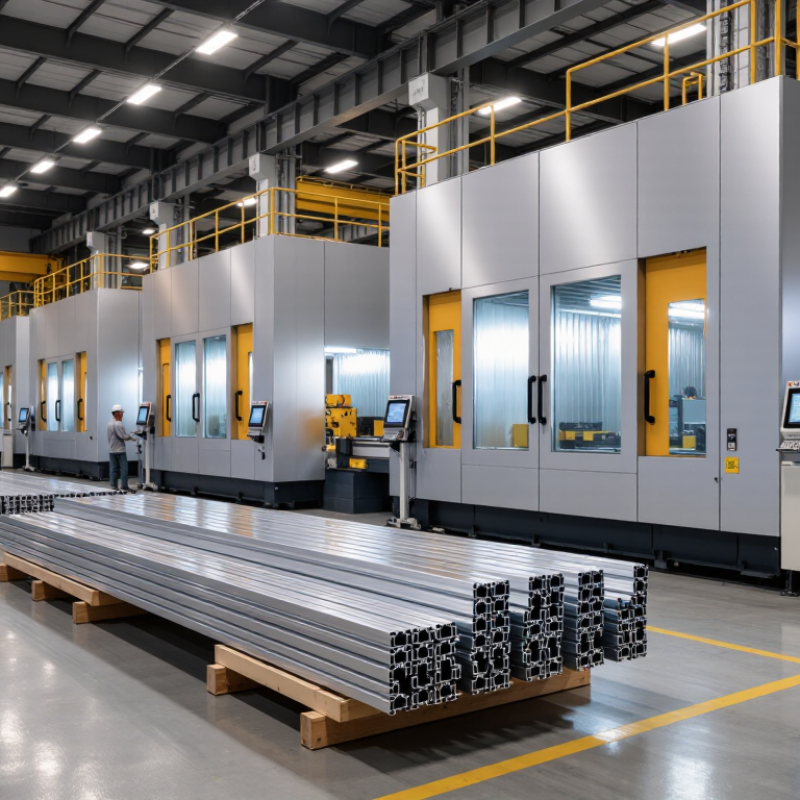
The strongest manufacturers usually combine modern extrusion presses, experienced technicians, in-house testing, and responsive engineering communication. They do not merely sell aluminum lengths. They help customers solve design, installation, and lifecycle problems with measurable evidence.
Top Aluminum Industrial Profile Manufacturers in China

What Defines a Top Aluminum Industrial Profile Manufacturer in China

A top aluminum industrial profile manufacturer in China is defined by controlled performance, not catalog size. The factory should verify alloy chemistry, extrusion temperature, aging cycles, and dimensional tolerances for every production batch. These details matter when profiles support machine frames, conveyors, cleanroom structures, or automated equipment.

Independent industry data provides useful context. The International Aluminium Institute reported global primary aluminum production of about 72.8 million tonnes in 2023, with China contributing more than half. China’s large output creates strong supply capacity, but scale alone proves little. A reliable manufacturer should provide mill certificates, inspection records, and traceable batch numbers. The China Nonferrous Metals Industry Association has also reported China’s aluminum extrusion output at roughly 20 million tonnes annually in recent years. That volume suggests mature processing expertise, yet quality can still vary between workshops.

Practical evaluation should include sample testing before contract production. Check straightness, surface finish, wall thickness, tensile strength, and coating adhesion. Ask how tooling wear is monitored. Ask again when answers sound vague. Energy data deserves attention too. The International Aluminium Institute estimates recycling aluminum uses about 5% of the energy required for primary production. Manufacturers using verified recycled content may reduce environmental impact, but claims need documentation. No supplier is flawless. Even an experienced factory can miss a tolerance or delay a die correction. Transparent corrective-action reports often reveal more professionalism than polished sales language. Price matters, but repeatable quality matters longer.
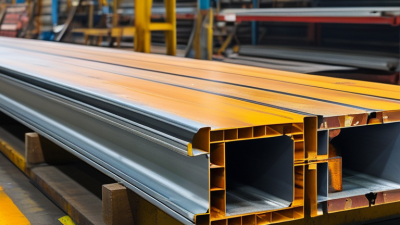
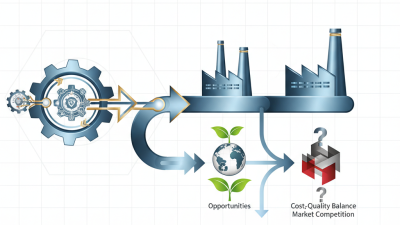
China’s Leading Aluminum Industrial Profile Manufacturers by Market Strength

Top Aluminum Industrial Profile Manufacturers in China

China’s leading aluminum industrial profile manufacturers are judged by market strength, not factory size alone. Strong suppliers combine extrusion capacity, stable alloy control, engineering support, and dependable delivery. Their profiles serve automation frames, conveyor systems, machine guards, solar structures, and warehouse equipment. A capable manufacturer can recommend suitable alloys, wall thicknesses, and temper conditions for each application.

Production evidence matters. Buyers should review extrusion press capabilities, die-making resources, surface treatment lines, and inspection procedures. Experienced teams measure profile dimensions, straightness, hardness, and coating thickness during production. Traceable batch records also help engineers investigate failures later. Certifications can support credibility, but they should be verified against current production sites and product scopes.

Details reveal real market strength. A reliable supplier communicates die costs clearly and provides samples before mass production. It should also explain minimum order quantities, packaging methods, and realistic lead times. Some manufacturers offer impressive catalogs but struggle with custom tolerances or sudden design changes. That weakness deserves attention. No supplier performs perfectly, and even strong factories may experience delays during peak seasons. Buyers should compare technical response, corrective action, and after-sales responsibility before choosing a long-term partner.

Core Products and Customization Capabilities of Major Manufacturers

Top Aluminum Industrial Profile Manufacturers in China

Major Chinese manufacturers commonly produce T-slotted profiles, heat-sink sections, window and curtain-wall systems, conveyor frames, and solar mounting rails. According to the International Aluminium Institute, global primary aluminium production reached about 70.6 million tonnes in 2023. China contributed roughly 59%, supporting a broad extrusion supply base. Large plants often operate presses from 600 to over 10,000 tonnes, serving both standard and engineered applications.

Customization usually begins with a CAD drawing, alloy selection, and die assessment. Common alloys include 6061, 6063, and 6082. Buyers can request anodizing, powder coating, electrophoresis, CNC cutting, drilling, tapping, and assembly. Tolerance control matters. A profile may look accurate but fail during frame installation. Experienced suppliers therefore review wall thickness, corner radii, load paths, and die feasibility before production. The China Nonferrous Metals Industry Association has repeatedly emphasized energy efficiency and quality consistency in nonferrous processing. Still, factory claims need independent verification.

Tips: Ask for alloy certificates, dimensional inspection records, surface samples, and a trial extrusion. Confirm whether quoted tolerances apply before or after finishing. Request packaging photos too. Small scratches can appear inside poorly protected bundles. A low price is not always efficient. Tooling charges, minimum order quantities, and later machining can change the real cost. One weakness remains common: some specifications are accepted too quickly, before engineers fully understand the installation environment.

Top Aluminum Industrial Profile Manufacturers in China - Core Products and Customization Capabilities of Major Manufacturers

Manufacturer Profile Primary Product Range Common Aluminum Alloys Typical Temper Profile Size Capability Surface Finishes Fabrication Services Customization Capability Typical Applications Relevant Standards or Certifications
Profile 1 — Standard Architectural Extrusion Specialist Window, door, curtain-wall, partition, and general industrial profiles 6063, 6060, 6005A T5, T6, T66 Small to medium sections; approximately 0.5–5.0 kg/m Mill finish, anodizing, powder coating, PVDF coating, wood-grain transfer Cutting, drilling, punching, CNC machining, assembly, packaging Die design, prototype extrusion, custom wall thickness, drilling patterns, and cut-to-length production Buildings, façades, doors, windows, office partitions, and retail interiors EN 755, EN 12020, ASTM B221, ISO 9001
Profile 2 — Heavy-Duty Industrial Extrusion Specialist Structural frames, machine bases, conveyor components, and heavy-duty rails 6061, 6082, 6005A T5, T6 Medium to large sections; approximately 2–18 kg/m Mill finish, anodizing, powder coating, and shot blasting CNC milling, tapping, sawing, slotting, welding, and mechanical assembly High-load cross-sections, reinforced cavities, precision tolerances, and integrated mounting channels Automation equipment, workstations, material-handling systems, machine guards, and transport equipment EN 755, ASTM B221, ISO 2768, ISO 9001
Profile 3 — Precision Thin-Wall Extrusion Specialist Electronic housings, heat-sink profiles, LED channels, and precision enclosures 6063, 6060, 6061 T5, T6, T66 Small precision sections; wall thickness commonly from about 0.8 mm, subject to geometry Clear anodizing, black anodizing, chemical conversion, brushing, and powder coating Precision cutting, CNC machining, deburring, tapping, drilling, and thermal-interface preparation Tight dimensional control, complex hollow sections, fine fins, and small-batch prototyping LED lighting, telecom equipment, electronics, power supplies, and cooling systems EN 12020, ASTM B221, ISO 2768, ISO 9001
Profile 4 — Solar and Renewable-Energy Profile Specialist Solar panel frames, mounting rails, brackets, and photovoltaic support components 6063, 6005A, 6061 T5, T6 Medium sections; approximately 0.8–8.0 kg/m Mill finish, anodizing, powder coating, and weather-resistant coatings Cutting, punching, drilling, CNC machining, slotting, and pre-assembly Rail geometry, drainage features, pre-punched holes, custom brackets, and project-specific lengths Photovoltaic systems, solar farms, rooftop mounting, battery enclosures, and energy equipment EN 755, ASTM B221, ISO 9001, ISO 14001
Profile 5 — Automotive and Transportation Extrusion Specialist Crash-management sections, seat rails, battery trays, structural beams, and trim profiles 6061, 6082, 6005A, 6063 T5, T6 Medium to large hollow and semi-hollow sections; geometry-dependent Mill finish, anodizing, powder coating, e-coating, and protective conversion treatments Stretch forming, CNC machining, precision cutting, punching, riveting, and assembly Crash structures, hollow profiles, joining features, controlled tolerances, and traceable batch production Electric vehicles, rail vehicles, buses, trailers, commercial vehicles, and automotive components IATF 16949, ISO 9001, EN 755, ASTM B221
Profile 6 — Integrated Fabrication and Finishing Specialist Custom industrial profiles, finished assemblies, cabinets, guards, and equipment frames 6063, 6061, 6082, 6005A T5, T6, T66 Small to large sections, including solid, hollow, and semi-hollow designs Anodizing, powder coating, PVDF, brushing, polishing, electrophoresis, and wood-grain finishes CNC machining, laser cutting, bending, welding, tapping, riveting, assembly, and kitting One-stop development from drawings or samples, including tooling, prototypes, finishing, inspection, and packaging Industrial automation, cleanrooms, retail fixtures, medical equipment, enclosures, and custom machinery ISO 9001, ISO 14001, EN 755, EN 12020, ASTM B221
Note: Capability ranges are representative of commonly offered Chinese aluminum extrusion and fabrication services. Actual alloy availability, dimensional limits, tolerances, finishing specifications, and certification scope should be confirmed against the supplier’s technical documentation and project requirements.

Manufacturing Standards, Quality Control, and Certification Practices

Top Aluminum Industrial Profile Manufacturers in China

Reliable aluminum profile manufacturing begins with a controlled process, not attractive product photos. Experienced factories usually work against standards such as GB/T 5237, EN 755, or EN 12020. These standards define dimensions, alloy performance, surface quality, and mechanical requirements. Production records should identify the billet batch, extrusion temperature, die number, and operator.

Small details matter.

Quality control continues after extrusion. Inspectors check wall thickness with calibrated gauges and verify straightness on fixed measuring tables. Samples may undergo tensile testing, hardness checks, coating thickness tests, and corrosion evaluation. Powder-coated profiles need careful color comparison under controlled lighting. An uneven finish can reveal poor pretreatment.

It happens.

Strong manufacturers normally maintain documented quality systems, often including ISO 9001. Environmental management certification, such as ISO 14001, can also show process discipline. However, a certificate alone proves little. Buyers should confirm its issuing body, validity period, covered site, and certified scope. Third-party inspection reports add useful evidence, especially for large orders. Material certificates should match the actual alloy and temper, not only the quotation.

Traceability is essential.

Audits should examine calibration labels, rejected material areas, corrective-action records, and packing conditions. Profiles can leave the factory correctly, then suffer scratches during careless loading. Some suppliers measure only selected pieces, which may hide variation across a long batch. A practical inspection plan combines factory testing, independent sampling, and clear acceptance limits. Mistakes are possible, so honest reporting and documented correction often reveal more reliability than flawless claims.

How to Evaluate and Select a Suitable Chinese Manufacturer

Selecting a Chinese aluminum industrial profile manufacturer requires more than comparing unit prices. The International Aluminium Institute reported about 43 million tonnes of primary aluminum production in China during 2024. Scale is impressive, but it does not guarantee stable extrusion quality. Ask for alloy certificates, die-design records, tensile-test results, and batch traceability. Verify whether each document matches your required alloy, temper, surface finish, and dimensional tolerances.

Request samples from the same production line used for mass orders. Inspect corner radii, wall thickness, straightness, anodizing color, and protective film adhesion. A useful audit should include extrusion, aging, cutting, packaging, and storage areas. ISO 9001 certification can support process control, yet it should not replace independent inspection. The 2024 quality report matters more than a framed certificate.

Recycled content also deserves careful checking. The International Aluminium Institute states that recycling aluminum uses roughly 95% less energy than producing primary metal. Ask for recycled-content evidence, furnace records, and contamination controls. Do not rely on attractive samples alone. A practical mistake is accepting a perfect prototype without testing a longer production batch. Small variations often appear later. No checklist is perfect. Leave room for doubt, especially when delivery promises seem unusually fast. A factory should explain tooling ownership, replacement timing, minimum order quantities, and remedies for nonconforming profiles in writing.Winvalid

Aluminum Industrial Profile Selection Benchmarks

Minimum tensile-strength benchmarks for commonly specified extrusion alloys and tempers. These figures help buyers evaluate whether a Chinese manufacturer can consistently meet the required material grade and heat-treatment condition.

Reference values are stated in MPa and reflect commonly published minimum requirements for extrusion alloys under relevant aluminum extrusion standards. Confirm the applicable standard, tolerance class, inspection certificate, and batch test results with each manufacturer.