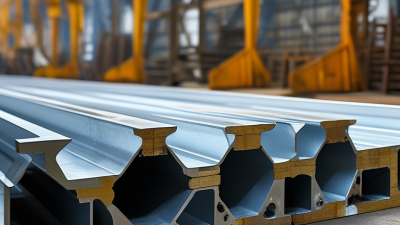
Top Tips for Sourcing Aluminum Industrial Profiles Effectively?
In the evolving landscape of industrial materials, sourcing Aluminum Industrial Profiles efficiently is crucial. According to a recent market report by Smith Research Group, the demand for aluminum profiles is expected to grow by 5% annually over the next five years. This growth is fueled by the rising applications in construction, transportation, and manufacturing sectors. Industry expert Dr. Emily Carter highlights, “The right sourcing strategy is essential for enhancing quality and reducing costs.”
Understanding the nuances of sourcing can be challenging. There are numerous suppliers, varying quality levels, and fluctuating prices. A misstep can lead to wasted resources and delayed projects. Effective sourcing requires not only knowledge of the market but also the ability to evaluate suppliers rigorously.
The complexity of assessing Aluminum Industrial Profiles means that professionals must remain vigilant. Quality checks and supplier audits should be standard practice. Choosing the wrong partner may result in subpar materials. This is a growing concern in the industry, where sustainability and performance are paramount. Adequate research will illuminate the best sourcing routes.
Understanding Aluminum Industrial Profiles and Their Applications
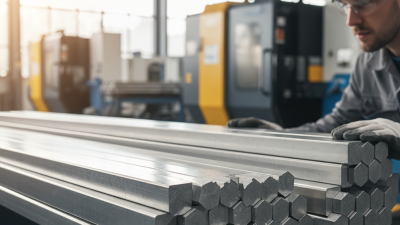
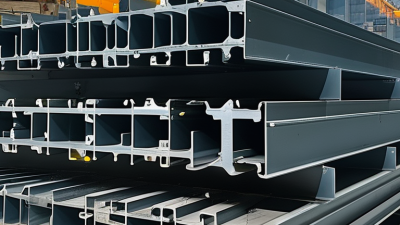
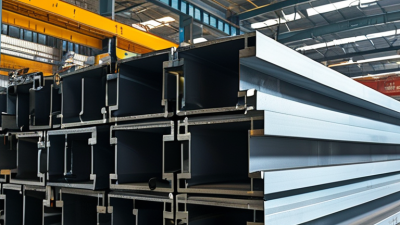
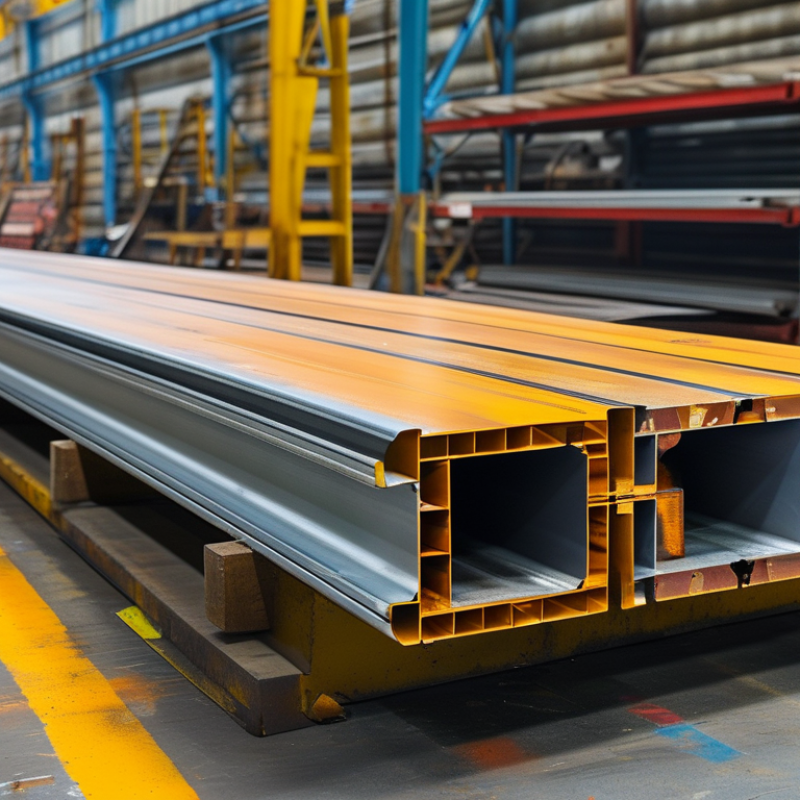
Aluminum industrial profiles play a crucial role in various industries due to their lightweight and durable nature. These profiles come in different shapes, sizes, and specifications. Common applications include construction, automotive, and aerospace sectors. They are often used for frames, supports, and structural components, underscoring their versatility. Understanding the specific requirements of your project is essential. It ensures you choose the right profile for optimal performance.
When sourcing aluminum profiles, it is vital to consider the manufacturing process. Fabrication methods such as extrusion and casting can affect properties like strength and flexibility. Additionally, the choice of alloy influences corrosion resistance and overall durability. Be aware that not all suppliers maintain the same quality standards. Researching suppliers and comparing their offerings can reveal significant differences in performance.
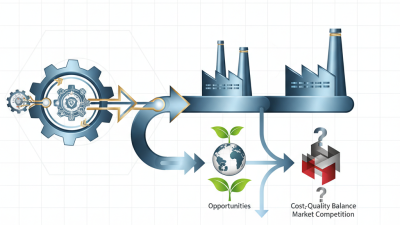
Cost is another significant factor to reflect on. Cheaper profiles may seem attractive initially but can lead to increased maintenance and repair costs down the line. It is worth asking about the profiles' lifecycle costs. Finding the right balance between cost and quality is often challenging. Engaging with experienced professionals in the field can provide valuable insights. These insights can help navigate the complexities of sourcing aluminum industrial profiles effectively.
Evaluating Supplier Credentials and Industry Reputation
When sourcing aluminum industrial profiles, evaluating supplier credentials is crucial. Start by reviewing their industry experience. A supplier with a long history often indicates reliability. Look for case studies or testimonials from their past clients. This information can help gauge their trustworthiness.
Industry reputation is equally important. Online reviews and ratings can reveal insights into a supplier's service quality. However, consider the source of these reviews. Some may be biased or outdated. Verifying affiliations with industry organizations can also be useful. Certification from recognized entities adds credibility and signifies adherence to standards.
Examine how suppliers handle complaints or issues. A responsive and transparent approach reflects professionalism. Openness to feedback is vital in any partnership. Reflecting on these factors can prevent future complications. Suppliers with solid credentials not only deliver quality but also foster strong, long-term relationships.
Analyzing Quality Standards and Certification Requirements
When sourcing aluminum industrial profiles, understanding quality standards and certification is vital. The aluminum industry adheres to specific standards, such as ISO 9001 for quality management and ISO 14001 for environmental management. According to a report by the Aluminum Association, more than 60% of manufacturers prioritize certified suppliers to ensure product reliability and safety.
Compliance with standards like ASTM B221 for extruded aluminum helps in assessing the material’s performance and durability. Nonconformance can lead to structural failures, resulting in costly project delays. In a recent industry survey, 40% of suppliers admitted to inconsistencies in their quality audits, indicating a significant area for improvement. This reflects the need for thorough due diligence in supplier selection.
Furthermore, certifications such as LEED reflect not only quality but also sustainable practices. Many companies now seek materials that contribute to green building efforts. A significant percentage of clients expect suppliers to provide environmental certifications. It raises concerns about transparency in sourcing practices, urging buyers to demand detailed documentation. The journey to secure high-quality aluminum profiles should be rooted in rigorous standards and an unwavering commitment to quality assurance.
Top Tips for Sourcing Aluminum Industrial Profiles Effectively
Negotiating Pricing and Delivery Terms Effectively
Negotiating pricing and delivery terms for aluminum industrial profiles requires a thoughtful approach. Start by understanding the market rates and current trends. This information can help you set realistic expectations. Research various suppliers and compare quotes. Don’t rush this process. It’s easy to settle for the first option, but patience often leads to better deals.
When you engage in negotiations, be clear about your volume requirements and deadlines. Suppliers appreciate transparency. However, don't hesitate to ask for discounts, especially if you're placing large orders. Many suppliers are open to negotiations, but the key is to approach them professionally and respectfully. Opening a dialogue can lead to mutually beneficial terms, paving the way for a long-term relationship.
It’s beneficial to reassess your needs periodically. Consider if you can optimize ordering schedules or negotiate free shipping based on order size. A small oversight in these terms can lead to increased costs. Creating a checklist of your must-haves versus nice-to-haves during negotiations can provide clarity. Reflecting on past negotiations helps improve future outcomes, as each experience offers valuable lessons.
Top Tips for Sourcing Aluminum Industrial Profiles Effectively - Negotiating Pricing and Delivery Terms Effectively
| Tip |
Details |
Expected Outcome |
| Research Suppliers |
Investigate potential suppliers to compare capabilities and reliability. |
Identify reputable suppliers that meet quality standards. |
| Request Quotes |
Get detailed quotes from multiple suppliers to understand pricing. |
Achieve competitive pricing through comparison. |
| Negotiate Terms |
Discuss delivery timelines, payment terms, and quantities to balance cost and delivery. |
Secure advantageous terms that align with project timelines. |
| Quality Assurance |
Establish quality checks and requirements before placing orders. |
Reduce risk of defects and ensure compliance with specifications. |
| Maintain Communication |
Stay in touch with suppliers to monitor progress and address any issues. |
Enhanced collaboration and smoother order fulfillment. |
Utilizing Technology for Efficient Sourcing Strategies
In today's fast-paced industrial landscape, technology plays a pivotal role in sourcing aluminum profiles effectively. Advanced software solutions help streamline the procurement process, allowing companies to analyze data efficiently. According to industry reports, 70% of companies that utilize technology in their sourcing strategies experience improved supplier relationships. This improvement is vital for maintaining quality and consistency.
Utilizing platforms that aggregate supplier information can significantly reduce lead times. Businesses can compare prices, quality, and delivery times effortlessly. The Global Aluminum Market Report noted that firms employing digital sourcing tools saw a 30% decrease in procurement costs. However, not all companies harness this technology optimally. Many fail to integrate these solutions into their existing systems, leading to missed opportunities for cost savings.
Data analytics is another key component in effective sourcing. By analyzing past purchasing trends, companies can forecast future needs accurately. The industry statistic reveals that organizations leveraging data-driven insights can reduce excess inventory by 25%. Yet, organizations must remain cautious. Relying solely on technology may overlook qualitative aspects that human judgment catches, such as assessing supplier reliability and ethical practices. Balancing technology with traditional assessment methods is crucial for long-term success.