How to Choose the Best Industrial Aluminum Profile for Your Needs?
Choosing the best Industrial Aluminum Profile requires careful consideration. These profiles are vital in various applications, including manufacturing and construction. Selecting the right one can significantly impact efficiency and performance.
When evaluating options, think about structural integrity and weight. Look for profiles that provide strength without excessive bulk. The right choice can lead to better product performance. Also, consider the profile's adaptability to different projects. Not all aluminum profiles are equal, and some may not suit specific needs.
It’s important to consult industry standards and expert opinions. Many manufacturers offer a range of profiles, each designed for particular uses. Researching these options can provide insights. However, do not overlook the importance of cost-effectiveness. A cheaper option may lead to longer-term issues and costs. Reflect on these factors before making a decision.
Understanding the Basics of Industrial Aluminum Profiles
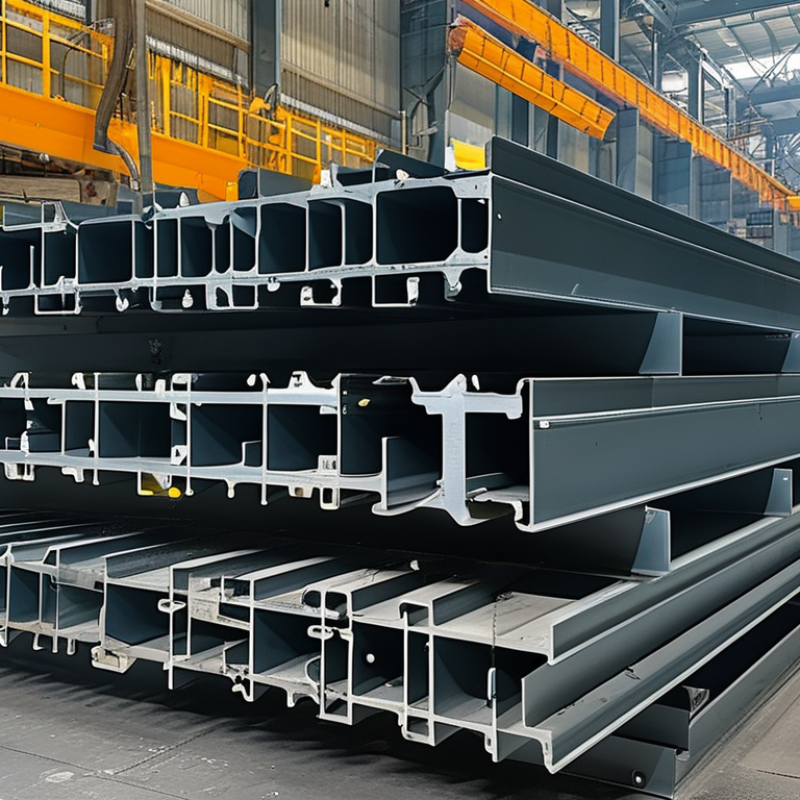
Industrial aluminum profiles serve various applications. They are lightweight yet strong, making them ideal for construction and manufacturing. Before choosing one, it's crucial to understand their structure. Typically, they come in different shapes, such as extruded, anodized, or painted. Each type has distinct properties that impact durability and appearance.
When narrowing down your choices, consider the specific needs of your project. Dimensions, load capacities, and environmental factors must be assessed carefully. Some profiles offer great strength but can be heavier, while others might be lightweight but less robust. It’s essential to find a balance that meets both functional and aesthetic requirements.
Real-world applications can guide your decision-making. For example, profiles used in a high-traffic factory will demand different specifications compared to those in a decorative framework. Reflecting on past projects may reveal overlooked factors like extra coatings for corrosion resistance. This kind of analysis can lead to better decisions, enhancing the project's overall success. Careful evaluation of both new and existing materials can prevent costly mistakes down the line.
Identifying Your Specific Application Requirements
Choosing the right industrial aluminum profile hinges on understanding your specific application requirements. Different industries have varied demands. For instance, the automotive sector often prioritizes lightweight materials for better fuel efficiency. A study from the Aluminum Association indicates that using aluminum can increase manufacturing efficiency by up to 30%.
Temperature resistance is a key factor. Applications in construction may require profiles that can withstand extreme temperatures or harsh weather conditions. Profiles made of high-strength aluminum can handle such stresses. A recent report revealed that 40% of industrial firms are keen on using aluminum due to its durability and sustainability. However, it's crucial to consult material specifications to ensure compliance with safety standards.
Consider the profile's surface finish as well. An anodized finish can enhance corrosion resistance, which is vital for outdoor applications. However, not all surfaces are equal. Some treatments may lead to aesthetic issues over time. Understanding your environment is as important as the profile itself. It's worth revisiting your timeline and performance expectations, as this clarity can lead to better product sourcing.
How to Choose the Best Industrial Aluminum Profile for Your Needs?
| Application Type |
Required Strength |
Weight Capacity (kg) |
Surface Treatment |
Size (mm) |
| Automotive Components |
High |
500 |
Anodized |
60x40 |
Construction
Framework |
Medium |
300 |
Powder Coated |
80x80 |
Furniture
Manufacturing |
Low |
100 |
Brushed |
40x20 |
| HVAC Systems |
Medium |
200 |
Anodized |
50x50 |
| Electronics |
Low |
50 |
Natural Finish |
30x15 |
Evaluating Different Aluminum Alloys for Durability and Strength
Choosing the right aluminum alloy is critical for your project. Different alloys offer various durability and strength characteristics. Common choices include 6061, 6063, and 7075. Each has distinct properties suitable for specific applications. For heavy-duty uses, 7075 stands out due to its high strength-to-weight ratio. However, this alloy can be more challenging to work with.
Corrosion resistance is another factor to consider. Alloys like 6063 are well-suited for outdoor applications due to their superior resistance to moisture. On the other hand, 6061 provides excellent weldability while maintaining decent strength. Evaluating these traits in the context of your project requirements is essential.
Don’t overlook cost either. Higher-grade alloys can drive up expenses. Reflect on the balance between performance and budget. Sometimes, a less expensive alloy meets your needs without compromising quality. Understanding these nuances can lead to a more efficient choice for your aluminum profile requirements.
Durability and Strength of Different Aluminum Alloys
Comparing Shapes and Sizes for Optimal Performance
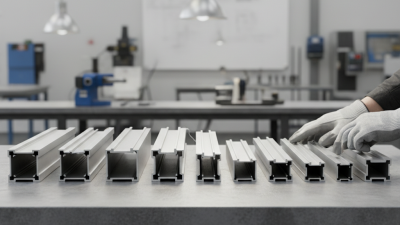
When selecting an industrial aluminum profile, the shape and size play crucial roles in performance. A report by the Aluminum Association reveals that specific shapes like T-slots and C-channels are widely favored for their strength-to-weight ratios. Choosing the right profile enhances structural integrity while minimizing material costs.
A practical tip is to evaluate load requirements and dimensional tolerances. Profiles like I-beams offer excellent rigidity for heavy loads, while smaller shapes suffice for lighter applications. Always factor in how these choices align with your assembly methods and operational environment. Sometimes, a less popular shape might fit better than standard options.
Customization can lead to better outcomes. Explore various sizes to find the best fit for your project. Keep in mind that while standard profiles may be readily available, bespoke solutions often lead to enhanced efficiency. Reflect on how standardization might not meet the unique specifications of your application. It’s essential to strike a balance between readily available options and the need for tailored solutions.
Considering Cost and Supplier Reliability in Your Decision
When choosing an industrial aluminum profile, cost and supplier reliability are critical factors. It's essential to assess the long-term value of the profiles you consider. A cheaper price tag might be tempting, but it often comes with hidden costs. Inferior materials or poor design can lead to increased maintenance and replacement costs. Therefore, a higher initial investment may ultimately save you money.
Look for suppliers with a proven track record. Request references and check reviews. Reliable suppliers typically have responsive customer service. This responsiveness can be invaluable, especially if issues arise post-purchase. A trustworthy supplier will stand behind their product and offer support when needed.
Tips for selecting the right aluminum profile include evaluating the technical specifications against your project's requirements. Consider the structural integrity and finish, as these factors can affect performance. Additionally, engage with potential suppliers to clarify any doubts. A solid communication channel indicates reliability. Remember, the right choice should balance cost and quality based on your specific needs. Reflect on your unique requirements before making a decision, as this can lead to a more tailored solution.