How to Select the Best Aluminum Industrial Profile for Your Project?
Selecting the best Aluminum Industrial Profile for any project can seem daunting. Expert David Nguyen, a well-respected figure in the aluminum industry, states, "Choosing the right profile is key to achieving both strength and efficiency." His insight illustrates the importance of making informed decisions.
Aluminum Industrial Profiles vary significantly in terms of design, strength, and application. These profiles play a crucial role in construction and manufacturing. Yet, many overlook the specific needs of their projects. Failing to align profile features with project requirements can lead to inefficiencies and increased costs.
Understanding your project’s demands is essential for selecting the ideal profile. Whether it’s for structural integrity or aesthetic appeal, the right choice makes a difference. While many options exist, ensuring compatibility with your objectives is vital. This journey requires careful consideration and expert advice.
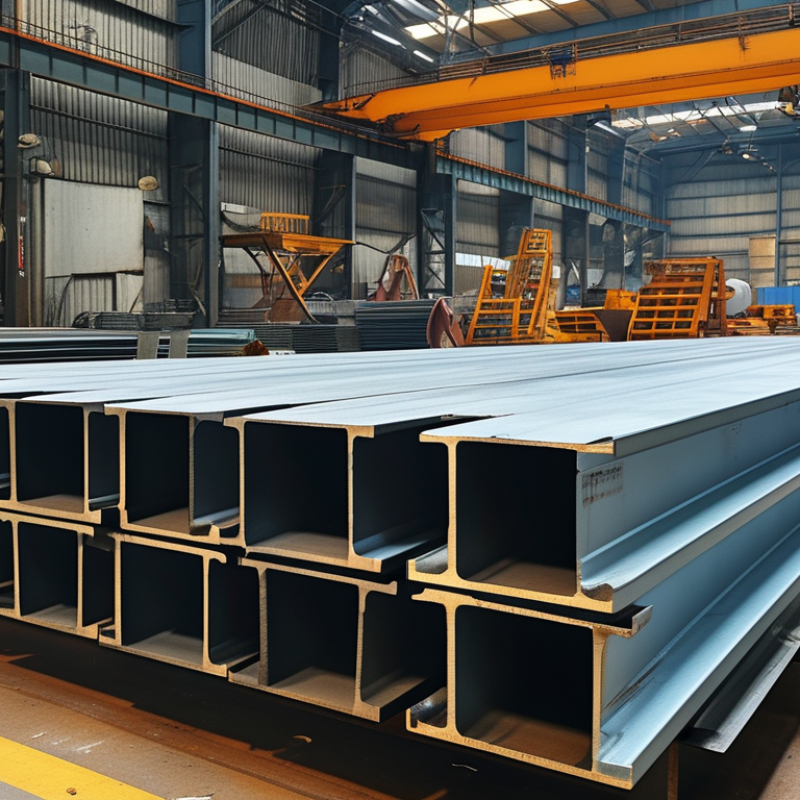
Understanding the Different Types of Aluminum Industrial Profiles
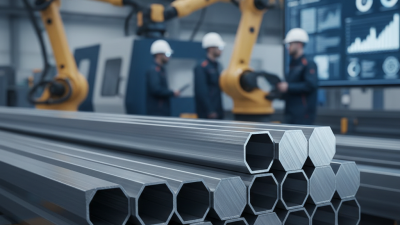
When selecting the right aluminum industrial profile, it's crucial to understand the various types available. Aluminum profiles are versatile and can be tailored for numerous applications. Common types include extruded, structural, and architectural profiles. Each type serves different needs and functions, so understanding them is key.
Extruded profiles are widely used due to their lightweight yet strong nature. They are ideal for frameworks, racks, and supports.
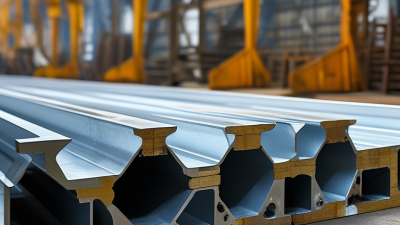
Structural profiles, on the other hand, offer higher strength for heavy-duty applications. These profiles are often utilized in construction and manufacturing.
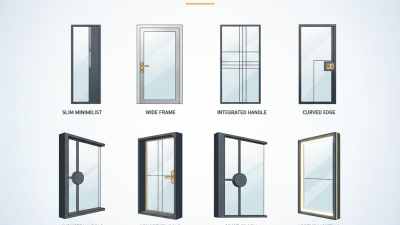
Architectural profiles are designed for aesthetics and functionality, making them suitable for facades and interior designs.
Tips: Always assess your project's specific requirements. Know the weight-bearing needs and environmental conditions. Consider the finish as well—anodized surfaces can enhance durability. Another point is to think about ease of assembly. Profiles that are hard to work with may increase labor costs and time.
While the options may seem overwhelming, take your time to analyze each type. Reflect on your
long-term goals. Choosing the wrong profile can lead to costly mistakes. Ensure your selection aligns with both
performance and
budget.
Key Factors to Consider When Selecting Aluminum Profiles
When selecting aluminum profiles for industrial projects, several key factors come into play. The alloy of the aluminum is crucial. Different alloys offer varying strengths, corrosion resistance, and workability. For instance, some applications may require higher strength, while others can prioritize lightweight options. This choice directly impacts the performance and lifespan of your final product.
The dimensions of the profiles are equally important. Ensure they fit the specific requirements of your project. Consider not just the width and height, but also the wall thickness. This plays a role in stability and strength, especially in structural applications. Proper sizing can prevent issues during assembly.
Surface treatment is another factor worth contemplating. Anodizing or powder coating can enhance corrosion resistance and aesthetic appeal. However, these treatments can add time and cost. You might find that a balance between functionality and budget is necessary. This process often requires feedback and reassessment to fine-tune your choices. Ultimately, each decision influences the project’s outcome and effectiveness.
Aluminum Profile Selection Factors
This bar chart illustrates the importance level of various factors to consider when selecting aluminum profiles for industrial projects. Durability stands out as the most critical factor, with corrosion resistance and thermal conductivity also highly rated.
Evaluating Mechanical Properties for Your Aluminum Profile Needs
Evaluating mechanical properties is crucial when selecting aluminum profiles for industrial projects. Aluminum comes in various alloys, each exhibiting unique characteristics. Understanding tensile strength, yield strength, and elongation helps in making informed decisions. These metrics determine how the profile will perform under stress.
Consider the specific needs of your project. Will the aluminum be subject to high loads or extreme temperatures? If so, you might need a high-strength alloy. On the other hand, if flexibility is essential, a softer alloy could be more appropriate. Evaluate how these properties align with your design requirements.
There’s no one-size-fits-all solution. Sometimes, the perfect choice may not exist. It could be beneficial to test different profiles before committing. Gathering feedback from trials can provide insights into performance gaps. Learning from these evaluations leads to better selections in the future. Being diligent in your assessment creates a solid foundation for any project.
How to Select the Best Aluminum Industrial Profile for Your Project? - Evaluating Mechanical Properties for Your Aluminum Profile Needs
| Profile Type |
Yield Strength (MPa) |
Tensile Strength (MPa) |
Elongation (%) |
Weight (kg/m) |
Applications |
| 6061 T6 |
240 |
310 |
12 |
2.70 |
Structural components, brackets |
| 6063 T5 |
190 |
240 |
10 |
2.68 |
Architectural applications, window frames |
| 6005A |
220 |
270 |
9 |
2.75 |
Marine applications, outdoor structures |
| 7075 T6 |
570 |
630 |
11 |
2.81 |
Aerospace, military applications |
Assessing Cost-Effectiveness and Budget Constraints
When selecting aluminum profiles, cost-effectiveness is a key factor. Recent industry reports indicate that aluminum prices have fluctuated significantly, making budget management essential. In 2023, the average price of aluminum was reported at $2,500 per ton. This marks a 15% increase compared to previous years. Therefore, understanding your project’s requirements and future trends can help in budgeting effectively.
Tip: Always compare aluminum grades as they vary in price and performance. For example, 6061-T6 is popular for its balance of strength and weight. However, you might find that 6063 is more cost-effective for certain applications.
Analyzing the total cost also involves considering fabrication and processing expenses. Reports indicate that machining can account for up to 20% of total costs. Selecting an optimal profile can minimize waste and enhance efficiency. However, it's vital to reflect on the specific needs of your project rather than just focusing on the lowest price.
Tip: Evaluate the potential long-term benefits of investing in higher-quality profiles. Sometimes, spending slightly more initially can lead to reduced maintenance costs and longer service life.
Sourcing and Supplier Considerations for Aluminum Profiles
When sourcing aluminum profiles, several key factors should be front of mind. Assess the type of project you have. Different applications require distinct characteristics from aluminum profiles. Think about the weight, strength, and corrosion resistance needed. Not every supplier can meet specialized demands.
Supplier reliability is critical in this process. Look for suppliers with a proven track record in aluminum manufacturing. Research their customer feedback and industry reputation. Have they handled projects similar to yours? This insight can save time and avoid costly errors.
Next, consider the production methods used by potential suppliers. Some may offer advanced machining processes that enhance precision. Others might emphasize cost-effectiveness over quality. This may lead to compromises that don’t meet your project standards. Ensure that the supplier's capabilities align with your project needs. Make informed decisions to guarantee suitable outcomes.