Why Choose Thermal Break Aluminum Profile for Energy Efficient Buildings?
In an era of escalating energy costs and environmental concerns, energy efficiency in buildings has become paramount. The use of Thermal Break Aluminum Profile is increasingly recognized as a crucial solution. According to the U.S. Department of Energy, residential buildings account for nearly 22% of greenhouse gas emissions. Reducing energy consumption in these structures is essential for fighting climate change.
Thermal Break Aluminum Profiles mitigate heat transfer, enhancing building performance. Research shows that these profiles can improve thermal insulation by up to 40%. Such advancements can lead to significant energy savings. A well-designed thermal break can minimize heating and cooling costs, making it a valuable investment for both residential and commercial spaces.
However, many builders still overlook this technology. Some may lack knowledge about available options. Professional guidance can help bridge this gap. Choosing the right materials, like Thermal Break Aluminum Profiles, is not just about compliance. It's about building sustainable communities and a healthier planet.
Benefits of Thermal Break Aluminum Profiles in Energy Efficiency
Thermal break aluminum profiles offer significant advantages in energy-efficient buildings. These profiles incorporate a thermal barrier, reducing heat flow between the interior and exterior. This feature effectively minimizes energy consumption for heating and cooling. As a result, buildings maintain a consistent indoor temperature, which enhances comfort for occupants.
Many building owners have noted the impact of thermal break profiles on energy bills. Businesses report savings due to reduced reliance on HVAC systems. However, some may underestimate initial costs associated with these materials. While the up-front investment is higher, the long-term benefits often outweigh these concerns. It’s essential to consider this balance when planning an energy-efficient structure.
Moreover, thermal break aluminum profiles contribute to sustainability. By lowering energy use, they help reduce carbon footprints. Each detail, from design to installation, plays a critical role in achieving overall efficiency. Despite their advantages, achieving optimal performance requires careful planning and execution. Building professionals should remain cautious about potential installation errors that could impact effectiveness.
Why Choose Thermal Break Aluminum Profile for Energy Efficient Buildings? - Benefits of Thermal Break Aluminum Profiles in Energy Efficiency
| Benefit |
Description |
Impact on Energy Efficiency |
| Reduced Thermal Conductivity |
Thermal break profiles decrease the flow of heat through the profiles. |
Helps to maintain indoor temperature, reducing heating and cooling costs. |
| Enhanced Insulation |
Increases overall insulation performance of building envelopes. |
Improves energy efficiency ratings of buildings. |
| Condensation Control |
Reduces the risk of condensation forming on surface areas. |
Minimizes potential mold growth, improving indoor air quality. |
| Durability |
Aluminum profiles are resistant to corrosion and wear. |
Reduces maintenance costs and the need for replacements. |
| Aesthetic Flexibility |
Available in various finishes and colors. |
Allows for energy-efficient buildings to maintain visual appeal. |
How Thermal Break Technology Reduces Thermal Bridging
Thermal break technology plays a crucial role in reducing thermal bridging in buildings. This technology incorporates a non-conductive insulating material between aluminum components. By creating a barrier, it minimizes the flow of heat through the frame. Studies indicate that thermal bridging can account for up to 30% of a building's overall energy loss.
Maximizing energy efficiency is vital for sustainable building design. The thermal break aluminum profile can lower heating and cooling costs. A report from the U.S. Department of Energy shows proper insulation can save homeowners an average of 20% on energy bills. By employing thermal break technology, buildings can achieve better insulation performance.
However, the implementation is not without challenges. Some may question the long-term durability of thermal break materials under extreme conditions. Proper maintenance and installation are crucial for optimal performance. Understanding these variables is essential for architects and builders alike. Making informed choices ensures that the benefits are fully realized, paving the way for energy-efficient structures.
Thermal break aluminum profiles significantly reduce energy loss in buildings by minimizing thermal bridging. As illustrated in the chart, traditional aluminum profiles can lead to substantial energy loss, while thermal break alternatives cut this down by nearly half.
Comparative Analysis: Thermal Break vs. Traditional Aluminum Profiles
Thermal break aluminum profiles are increasingly popular in energy-efficient buildings. Unlike traditional aluminum profiles, they feature a plastic thermal barrier. This innovation reduces heat transfer, improving energy savings. The gap created offers insulation, minimizing thermal bridging. Consequently, these profiles contribute to lower heating and cooling costs.
In a comparative analysis, traditional aluminum profiles allow for greater thermal transfer. They often result in energy losses. In contrast, thermal break profiles enhance comfort. Users notice a significant decrease in energy consumption. Without careful consideration, many may overlook these benefits. Not all buildings may require such advanced profiles, but for energy efficiency, they are ideal.
Choosing between the two requires reflection. While traditional options may seem cheaper upfront, the long-term savings from thermal break profiles can be substantial. It's essential to analyze specific needs and energy goals. Investing in better materials is not just about immediate cost. It's also about the future impact on energy efficiency and environmental sustainability.
Applications of Thermal Break Aluminum Profiles in Building Design
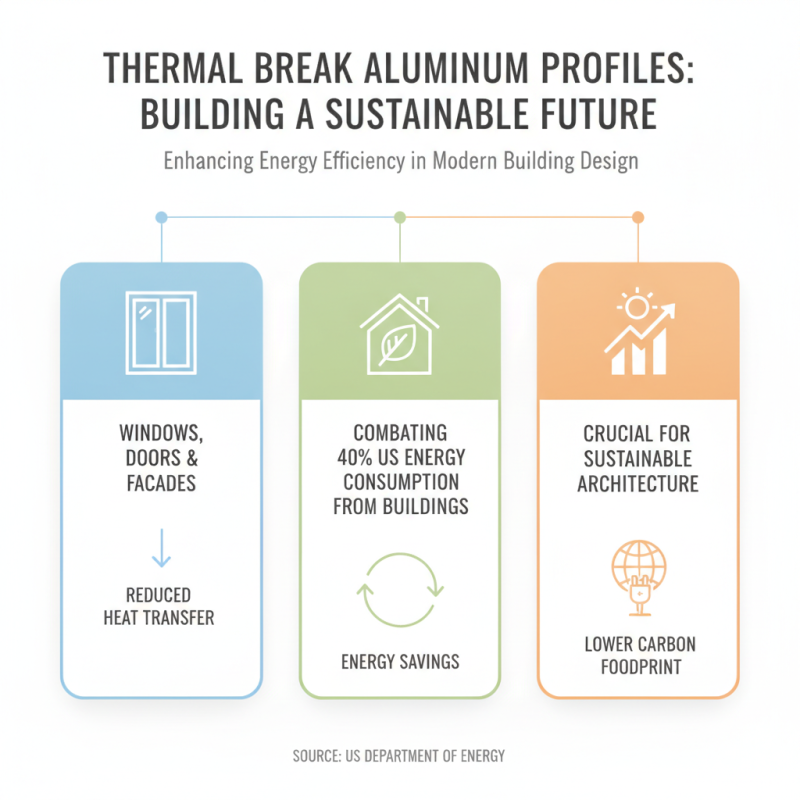
Thermal break aluminum profiles are becoming essential in modern building design. They are used for windows, doors, and facades, enhancing energy efficiency. These profiles effectively reduce heat transfer. According to the U.S. Department of Energy, buildings are responsible for 40% of total energy consumption. Thus, using energy-efficient materials is crucial.
Applications include residential and commercial buildings. In high-rise structures, thermal break profiles minimize heat loss while maximizing natural light. This results in significant energy savings. A study by the International Energy Agency shows that energy-efficient buildings can reduce consumption by 30-50%. This can lead to lower heating and cooling costs over time.
Tips: Consider the local climate when choosing thermal break profiles. In colder regions, adequate insulation is vital. Also, look for certified products that meet energy performance standards. Regular maintenance can enhance their lifespan and effectiveness.
Impact on HVAC Systems and Overall Building Performance
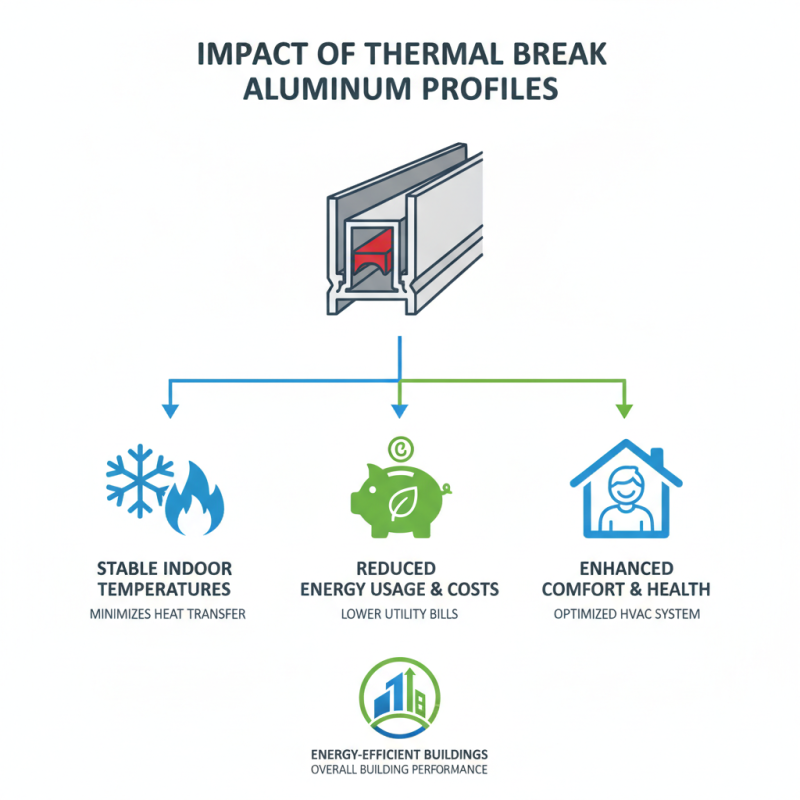
In energy-efficient buildings, thermal break aluminum profiles play a crucial role. They significantly affect HVAC systems and overall building performance. By minimizing thermal transfer, these profiles help maintain stable indoor temperatures. This leads to reduced energy usage and lower utility costs. An optimized HVAC system enhances comfort and promotes a healthier living environment.
Choosing thermal break profiles can improve insulation in windows and doors. This action directly enhances the efficiency of heating and cooling systems. With better insulation, HVAC systems don’t have to work as hard. This reduces wear and tear, ultimately extending their lifespan. Additionally, less energy consumption contributes to lower greenhouse gas emissions.
Tips for building owners: Inspect seals around windows and doors regularly. This can identify potential leaks that compromise energy efficiency. Consider proper maintenance of HVAC systems. Regular checks make sure they perform at their best. Thoughtful choices in building materials have lasting impacts today and tomorrow. Your decisions can lead to a more sustainable future, but evaluation of the construction process is also necessary.