What Is a Window Profile and Which Type Is Best?
Choosing a Window Profile affects comfort, energy use, durability, and the appearance of a building. It also influences how a window handles rain, wind, sunlight, and daily opening. A profile is not merely the visible frame around glass. It is a carefully engineered system containing chambers, seals, reinforcements, drainage paths, and connection points.
Building-science expert Joseph Lstiburek once offered a memorable warning: “Windows are holes in walls.” That short statement explains why profile selection deserves practical attention. A uPVC profile may provide strong insulation and limited maintenance. Aluminium can offer slim sightlines, structural strength, and modern finishes, especially when it includes a reliable thermal break. Timber brings warmth and repairability, but it needs disciplined coating and moisture control.
There is no universal winner.
The best Window Profile depends on climate, building orientation, glass specification, installation quality, and budget. A high-performing frame can still fail when installers leave gaps around the perimeter. I have seen small drainage details decide whether a window stays dry after heavy rain. That reality is easy to overlook in product brochures.
This guide compares common profile materials and explains their practical strengths. It considers thermal performance, weather resistance, maintenance, cost, and service life. It also questions a common assumption: the most expensive profile is not automatically the best choice. Homeowners, architects, and contractors should examine test data, certification, warranties, and local installation experience before deciding. A sensible choice balances engineering with real conditions. Sometimes, that balance is less perfect than expected.
What a Window Profile Is and What It Does
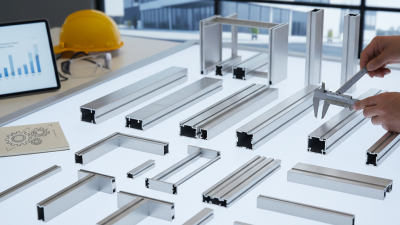
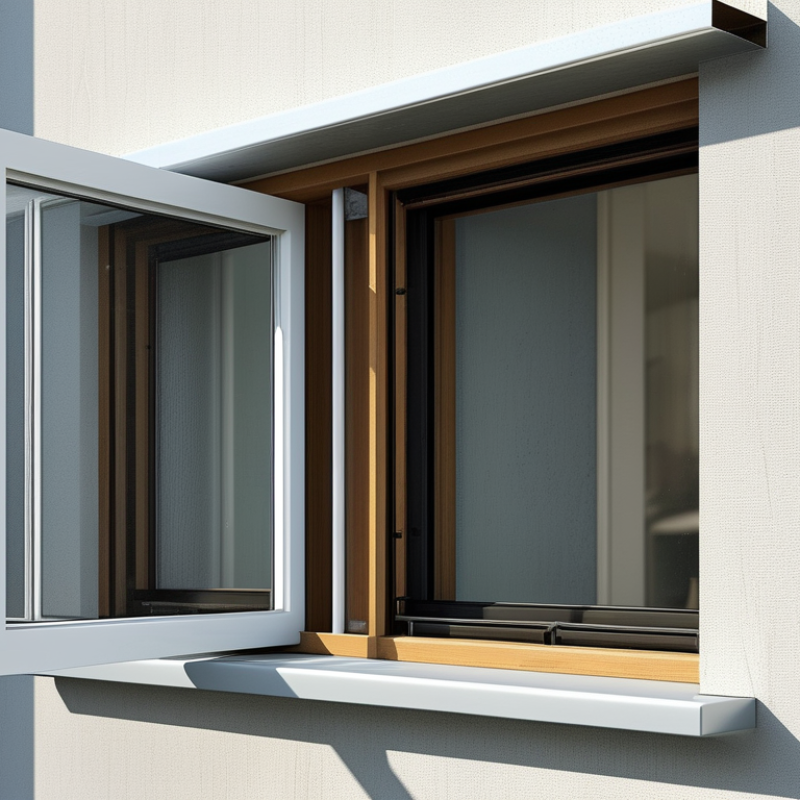
A window profile is the shaped frame surrounding the glass and supporting the moving parts. It may be made from uPVC, aluminium, timber, or a composite material. The profile holds the glazing, hinges, seals, and drainage channels in position. It also transfers wind pressure to the wall.
It does more than define a window’s appearance. A well-designed profile limits heat loss through multiple chambers or thermal breaks. It helps block rain when seals meet evenly. It can also reduce outside noise, although glass thickness and installation quality matter just as much. I have seen attractive frames perform poorly when installers left small gaps around the opening. The profile was not the only problem.
Choosing the best type depends on the building, climate, and maintenance expectations. Aluminium profiles suit large openings and slim sightlines, but they need effective thermal separation. Timber offers a warm appearance and natural insulation, yet it requires regular protective treatment. uPVC is practical and usually needs less maintenance, though very wide frames may feel less rigid. Check the profile’s air, water, and wind performance through independent test reports. Confirm that the frame matches the selected glass and wall construction. A cheaper profile can become expensive if it causes condensation or difficult repairs. There is no universal winner. Even expert selection needs a careful site assessment.
What Is a Window Profile and Which Type Is Best?
A window profile is the frame system that holds the glass, seals the opening, and transfers loads to the building. The chart compares typical bulk thermal conductivity values for common profile materials.
Lower thermal conductivity generally means less heat transfer through the profile material. Actual window performance also depends on frame design, glazing, air chambers, seals, spacers, and installation quality.
The Main Parts That Form a Window Profile
A window profile is the structural section that holds the window together. The frame stays fixed inside the wall opening. The sash moves, opens, or supports the glass. Their meeting line must remain straight and stable. Poor alignment can cause drafts, noise, and difficult operation.
The glazing pocket holds the glass unit in position. Spacers separate the panes and help limit heat transfer. Gaskets press against the glass and create a flexible seal. They can shrink or harden over time. The hardware controls locking, opening, and ventilation. Small rollers, hinges, and handles carry daily movement, so their quality matters. Drainage channels guide rainwater toward exterior outlets. Without clear paths, water may collect inside the profile.
Reinforcement can strengthen larger frames, especially in windy locations. Thermal breaks reduce heat movement through metal sections. Plastic, metal, and composite profiles each perform differently. The best choice depends on climate, window size, maintenance needs, and installation quality. In practical inspections, even a strong profile performs poorly when the frame is twisted or poorly sealed. That part is often overlooked. A perfect profile does not exist. A reliable one should keep its shape, drain water, support the glass, and operate smoothly for years. Local building requirements should guide the final specification.
How Window Profiles Are Classified by Material
What Is a Window Profile and Which Type Is Best?
A window profile is the frame section that holds the glass, seals, and hardware. Its material affects insulation, strength, maintenance, and appearance. In real projects, the “best” profile depends on climate, wall design, budget, and installation quality. A technically excellent frame can still perform poorly when fitted carelessly.
Window profiles are commonly classified as uPVC, aluminum, timber, and composite materials. uPVC profiles offer good thermal insulation and resist moisture, making them practical for many homes. Aluminum profiles are slim, strong, and suitable for large glass areas. However, they need effective thermal breaks in cold or hot climates. Timber profiles provide a warm, natural appearance and can insulate well. They require regular inspection and surface protection. Composite profiles combine materials to balance strength, insulation, and appearance, but their performance varies by construction. No type wins every project.
Tips: Compare thermal values, drainage details, frame depth, and seal quality. Ask for test evidence from qualified suppliers. Check the installation method, not only the profile material. A common mistake is judging a frame by appearance alone. I would also inspect a sample corner joint before ordering. Small gaps there may reveal larger production or fitting problems. Think carefully about maintenance, because the cheapest choice can become expensive over time.
How Profile Design Affects Window Performance
What Is a Window Profile and Which Type Is Best?
A window profile is the frame system surrounding the glass. It includes the sash, chambers, seals, drainage paths, and reinforcement. Profile design directly affects heat flow, air leakage, water resistance, and structural strength. The U.S. Department of Energy’s Energy Saver guidance estimates that windows can cause 25–30% of residential heating and cooling energy use. That figure makes frame selection more important than many homeowners expect.
A multi-chamber profile can reduce heat transfer by creating internal air pockets. However, more chambers do not automatically mean better performance. Frame depth, material conductivity, gasket quality, and installation accuracy also matter. A narrow metal profile may look elegant but often needs thermal breaks to control heat loss. The National Fenestration Rating Council evaluates complete window units, including frames and glass, through U-factor, solar heat gain coefficient, and air-leakage ratings. Checking the whole-unit rating is more reliable than judging profile thickness alone. This is where simple comparisons become misleading.
Tips: Match the profile to the climate. Choose a lower U-factor for cold regions and a suitable solar heat gain coefficient for sunny areas. Inspect corner joints and seals carefully. Poor installation can weaken an excellent profile. I would also question unusually low prices; the hidden compromise may be reinforcement, drainage, or quality control. Performance is rarely decided by one feature.