What is Aluminum Profile Aluminium Extrusion and Its Applications?
Aluminum Profile Aluminum Extrusion has revolutionized various industries by offering versatile solutions. According to a report by the Aluminum Association, the global aluminum extrusion market is projected to reach $70 billion by 2025. This growth signifies the rising importance of aluminum profiles in construction, automotive, and packaging sectors.
Renowned industry expert Dr. Emily Chen states, "The adaptability of Aluminum Profile Aluminum Extrusion allows for innovative design possibilities." This adaptability makes it essential in modern engineering. From building facades to intricate automotive parts, aluminum profiles provide strength and lightweight properties. However, despite its advantages, the industry faces challenges in recycling and sustainability, requiring ongoing research and solutions.
In conclusion, understanding Aluminum Profile Aluminum Extrusion is vital for leveraging its full potential. As industries continue to evolve, the demand for knowledge in this area will only increase. Collaborations between manufacturers and researchers are crucial for overcoming existing barriers and enhancing efficiency in applications.

What is Aluminum Profile and Its Definition
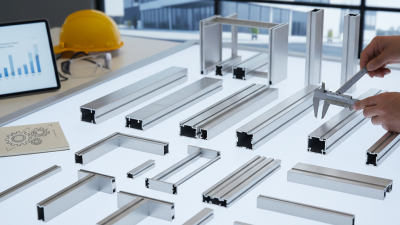
Aluminum profiles are lightweight, durable, and versatile materials. They are created through the aluminum extrusion process. This involves forcing heated aluminum through a shaped die. The result is a long, continuous profile with a consistent cross-section. These profiles can be tailored to meet specific design requirements, making them popular in various industries.
Applications of aluminum profiles include architecture, automotive, and manufacturing. In architecture, they provide structural support and aesthetic appeal. In the automotive industry, they offer a balance of strength and weight efficiency. The manufacturing sector employs aluminum profiles for machinery, frames, and supports. These applications highlight the material's adaptability.
Tips: When choosing an aluminum profile, consider the size and shape needed for your project. It’s essential to assess the load-bearing capacity. Sometimes, a simple design might not provide the necessary strength. Always consult with experts to ensure your selection is optimal for your needs.
What is Aluminum Profile Aluminium Extrusion and Its Applications?
| Dimension |
Description |
Applications |
| Aluminum Profile |
A lightweight and durable section of aluminum used in various applications. |
Frames, supports, or structural components in constructions. |
| Extrusion Process |
A process used to create objects of a fixed cross-sectional profile by pushing material through a die. |
Manufacturing custom shapes for construction, automotive, and aerospace industries. |
| Weight |
Typically around 2.7 g/cm³, making it lightweight compared to many metals. |
Used in lightweight applications where reducing weight is critical. |
| Corrosion Resistance |
Aluminum has a natural oxide layer that protects against corrosion. |
Ideal for outdoor structures, marine applications, and more. |
| Thermal Conductivity |
Excellent conductor of heat, which helps in thermal management. |
Used in heat exchangers and electronic devices. |
The Process of Aluminum Extrusion Explained
Aluminum extrusion is a sophisticated manufacturing process. It involves forcing heated aluminum through a shaped opening, creating various cross-sectional profiles. This process allows for versatile design options, making it popular across many industries.
The heating of aluminum is crucial. It must reach a specific temperature to be malleable. After heating, the aluminum is pushed through an extrusion die. This step demands precision. The die shape determines the final profile. After extrusion, the aluminum cools and hardens, locking its new shape. Quality control is vital in this stage to ensure the finished product meets specifications.
Aluminum profiles find applications in diverse fields. They are often used in construction, automotive, and electronics. Their lightweight and durable characteristics make them desirable. However, not all extrusion processes are flawless. Misalignment during the process can cause defects. Continuous monitoring is essential to enhance quality. Manufacturers must adapt to challenges.
Types of Aluminum Profiles and Their Characteristics
Aluminum profiles come in various types, each serving unique purposes. The most common types include rectangular, square, and circular profiles. Rectangular profiles are often used in structural applications. Their strength and rigidity make them ideal for frameworks and supports.
Square profiles offer similar benefits but allow for enhanced versatility. They can be used for both structural and decorative needs.
Circular profiles are frequently found in applications requiring fluid transportation. Their smooth surfaces minimize resistance. Additionally, T-slot profiles have gained popularity for modular constructions. They allow easy assembly and adjustment, making them ideal for both industrial and DIY projects.
Despite their advantages, choosing the right profile can be challenging. Each type has specific characteristics that may not suit every application. Users should carefully assess their requirements. Some profiles may lack the aesthetic appeal needed for visible installations. Making informed choices can significantly enhance the overall quality and functionality of the projects.
Key Applications of Aluminum Extrusions in Various Industries
Aluminum extrusions are widely used across various industries. Their versatility makes them ideal for both functional and aesthetic applications. The automotive sector extensively utilizes aluminum profiles for lightweight components. These components help improve fuel efficiency and reduce emissions. In construction, aluminum extrusions form window frames, curtain walls, and roofing solutions. They offer durability and resistance to corrosion.
In the electronics industry, aluminum is used for heat sinks. These heat sinks are crucial for managing temperature in devices. Additionally, the transportation industry benefits from aluminum’s strength-to-weight ratio, enhancing performance in aerospace and rail. Its ability to be easily shaped allows for innovative designs in products.
Tips: When selecting aluminum profiles, consider their specific alloys. Each alloy has unique characteristics that affect performance. Also, ensure proper finishing processes are in place to enhance lifespan. Remember, while aluminum is durable, it requires thoughtful handling during fabrication to prevent damage.
Key Applications of Aluminum Extrusions in Various Industries
Advantages of Using Aluminum Profiles Over Other Materials
Aluminum profiles offer distinct advantages over traditional materials like steel or wood. They are lightweight yet incredibly strong, making them ideal for various applications. This strength-to-weight ratio is critical in industries such as construction and automotive. A designer can create robust structures with less material, reducing overall costs.
Corrosion resistance is another compelling feature. Unlike steel, aluminum does not rust. This quality extends the lifespan of products, especially in outdoor or harsh environments. For instance, aluminum components are often used in window frames and railings, where exposure to the elements is inevitable. Maintenance becomes minimal, saving time and resources.
However, aluminum profiles can be more expensive upfront than other materials. It's essential to consider the long-term benefits. They often reduce energy costs due to their thermal efficiency. While some may hesitate due to initial costs, it's wise to reflect on the total value over time. Investing in aluminum profiles often leads to lower maintenance and replacement expenses.