Top 10 Tips for Choosing Aluminum Profile Housings?
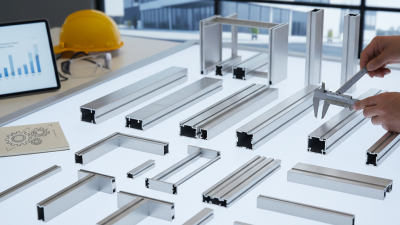
Choosing the right aluminum profile housings can significantly impact your project’s success. These housings offer durability and versatility but selecting the best one can be challenging. Various factors come into play, making the decision process complex. This guide provides insights to simplify your choice.
When evaluating aluminum profile housings, consider their application. Different designs cater to unique needs. Get familiar with quality standards, as they ensure reliability and performance. Each detail matters, from the material thickness to the finish type. This knowledge strengthens your decision-making.
Reflect on budget constraints. Cost-effective options exist, yet cheap choices might lead to future issues. Quality should be a priority over price. Ultimately, understanding aluminum profile housings helps avoid common pitfalls. This knowledge fosters smarter selections, ensuring long-lasting solutions in your projects.
Understanding Aluminum Profile Housings and Their Applications
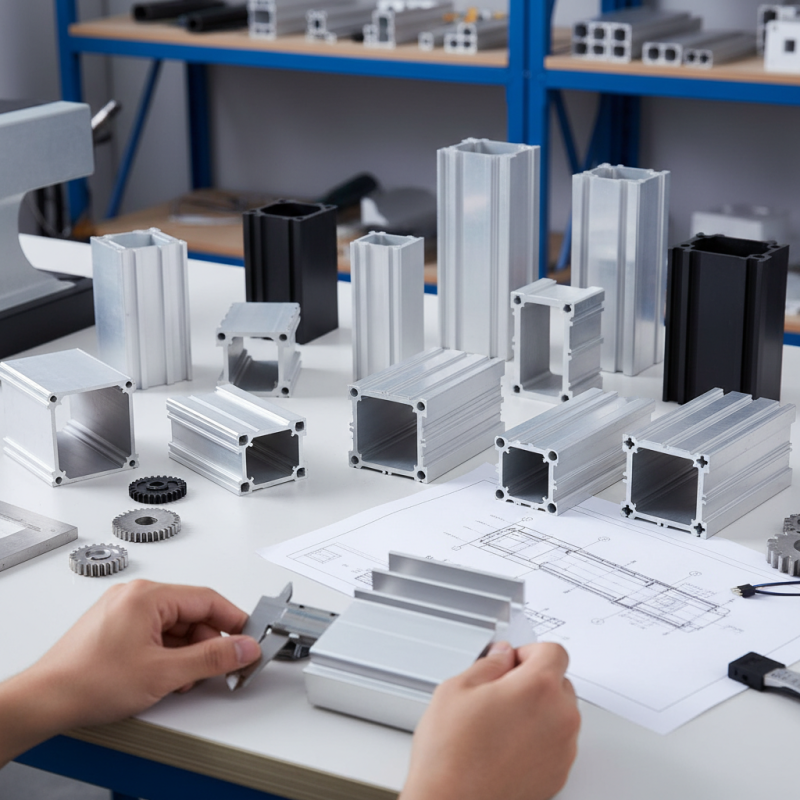
Aluminum profile housings serve diverse functions across various industries. They often provide protection for electronic components. These housings are lightweight yet durable, making them suitable for multiple applications. Lightweight materials can sometimes raise concerns about durability, but modern manufacturing techniques ensure robustness.
In fabrication, precision is critical. Aluminum profile housings must fit components accurately. This ensures optimal performance and safety. Common applications include lighting systems, machinery enclosures, and automation devices. Each application might require specific housing designs to accommodate different environmental factors.
Choosing the right aluminum profile housing can be complex. Understanding the application requirements is essential. Factors like heat dissipation and environmental exposure must be considered. Overlooked details can lead to ineffective solutions. A mismatch in design could compromise functionality. Hence, careful selection is fundamental to achieving reliable results.
Key Factors to Consider When Selecting Aluminum Profiles
When selecting aluminum profile housings, focus on critical factors that will influence your project. One key aspect is the material quality. Aluminum should have a high strength-to-weight ratio. This helps ensure durability without adding unnecessary weight to your design. Look for profiles that offer anti-corrosive coatings. This can extend the lifespan of your housing in various environments.
Another important consideration is the design versatility. Aluminum profiles come in various shapes and sizes, allowing for customization. Ensure that the profile can accommodate your specific needs. Whether it’s for mounting electronic components or for a structural framework, the right fit is essential. Reflect on how the design affects functionality. Sometimes, a more straightforward profile may serve the purpose better than a complex design.
Don't overlook fabrication options available. Various machining techniques can alter the profile based on your specifications. Assessing your budget early on can help prioritize these changes. Additionally, it's wise to research suppliers and their reputation in the industry. Reliable sources often provide more consistent quality. It’s essential to evaluate not just the product but also the supplier's service and support.
Top 10 Tips for Choosing Aluminum Profile Housings
| Tip No. |
Key Factor |
Description |
| 1 |
Material Quality |
Ensure the aluminum profile is made from high-quality materials to enhance durability. |
| 2 |
Customization Options |
Look for suppliers who offer customizable profiles to meet specific requirements. |
| 3 |
Surface Treatment |
Consider various surface treatments available for corrosion resistance and aesthetics. |
| 4 |
Thermal Conductivity |
Evaluate the thermal conductivity properties for applications requiring heat dissipation. |
| 5 |
Weight Considerations |
Consider the weight of the profile for structural integrity and ease of handling. |
| 6 |
Cost Efficiency |
Analyze the cost in relation to quality and features to ensure budget compliance. |
| 7 |
Design Versatility |
Select profiles that offer design versatility for various applications and uses. |
| 8 |
Lead Time |
Check the lead time for production and delivery to meet project deadlines. |
| 9 |
Supplier Reliability |
Research potential suppliers for reliability and previous customer feedback. |
| 10 |
Sustainability |
Opt for manufacturers that follow sustainable practices in sourcing and production. |
Evaluating Design Specifications for Optimal Housing Selection
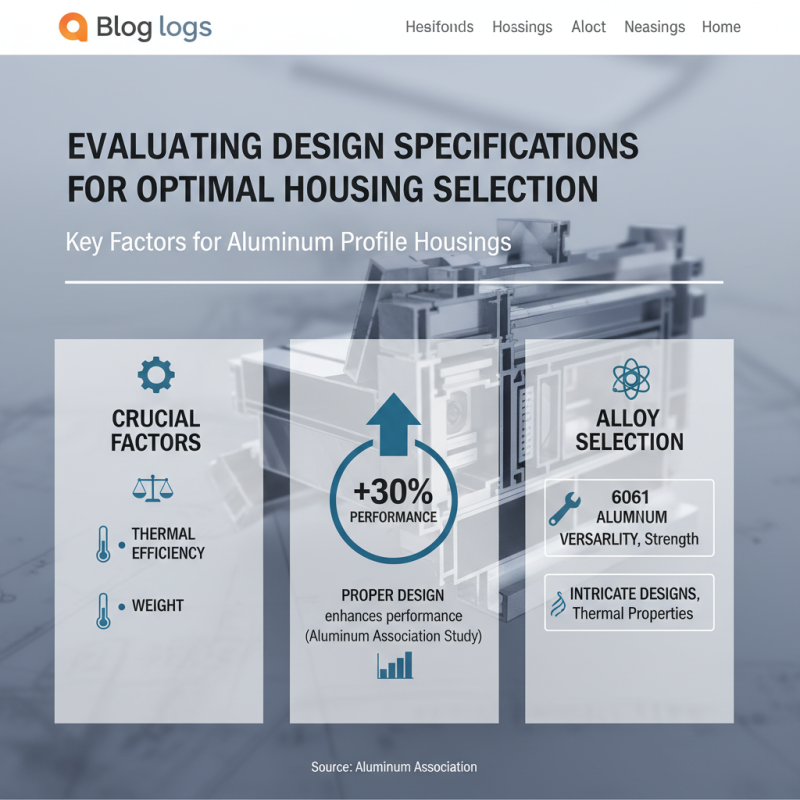
When selecting aluminum profile housings, understanding design specifications is crucial. A study by the Aluminum Association indicates that proper design can enhance performance by up to 30%. Selecting the right housing influences factors such as thermal efficiency and weight, which are critical in various applications. Different alloys provide distinct strengths and thermal properties. For example, 6061 aluminum is known for its versatility, while 6063 is favored for intricate designs.
Another key specification is the surface treatment. Anodization improves corrosion resistance, extending the lifespan of the housing. Research shows that anodized surfaces can last up to 20 years in harsh environments. However, not all anodized finishes are equal; variations in thickness can significantly impact durability. Designers should consider the specific environmental conditions their housing will face.
Furthermore, it is essential to evaluate the housing’s dimensional accuracy. According to a report published by the European Aluminum Foil Association, tolerances in manufacturing can affect assembly and performance. A poorly manufactured profile could lead to misalignment and operational failures. Make sure all dimensions conform to industry standards. Prioritize quality control processes in your selection criteria.
Assessing Durability and Environmental Resistance in Aluminum Profiles
When selecting aluminum profile housings, durability and environmental resistance are crucial factors to consider. Aluminum is known for its lightweight properties, but not all profiles offer the same level of durability. A report from the Aluminum Association indicates that anodized aluminum can enhance corrosion resistance by up to 300%. This is particularly valuable in harsh environments, such as coastal or industrial areas where moisture and pollutants are prevalent.
The finish of an aluminum profile plays a significant role in its performance. Profiles that undergo proper anodization or powder coating demonstrate excellent resistance to scratches and wear. According to research, profiles with a thickness of at least 25 microns for anodized finish provide optimal protection. However, some manufacturers offer thinner coatings, which may not perform reliably under stress. Be cautious of these extremes when making a choice.
In real-world applications, the long-term performance of aluminum profiles can reveal unexpected challenges. Variability in manufacturing processes can lead to inconsistency in quality. Factors such as temperature fluctuations and exposure to chemicals can degrade less resilient profiles over time. Conducting thorough assessments and sourcing from reputable suppliers can mitigate risks. Always use testing data from industry standards to guide your decisions.
Cost-Effectiveness: Balancing Quality and Budget in Housing Choices
When selecting aluminum profile housings, cost-effectiveness is crucial. It's not just about finding the lowest price. High-quality materials in design prevent issues down the line. Durable profiles reduce the frequency of replacements. That can save money in the long run.
Assessing your budget is a vital step. Consider your project's specific needs. Balancing quality and budget can be tricky. You may feel tempted to prioritize upfront savings over durability. However, cheaper materials often lead to greater maintenance costs. Rethink this approach before committing to an option.
Researching suppliers is essential for informed decisions. Look for reviews and testimonials from others. This builds trust in your housing choice. A profound understanding of different profiles will help narrow down options. Each profile has unique characteristics. Don't ignore details that might affect performance in your specific context.