Choosing a China top supplier requires more than comparing catalog prices. High-Strength Aluminum Profiles must perform under real loads, changing temperatures, and demanding production schedules. This guide examines manufacturers through practical evidence, technical capability, and consistent delivery performance.
Experienced suppliers usually explain alloy selection clearly. Common options include 6061, 6082, and 7005 aluminum alloys. Each offers different strength, machinability, corrosion resistance, and welding behavior. A reliable factory should provide mill certificates, mechanical test results, and complete batch traceability. Ask about extrusion presses, die design, heat treatment, surface finishing, and dimensional inspection. These details reveal more than polished product photographs.
Look closely.
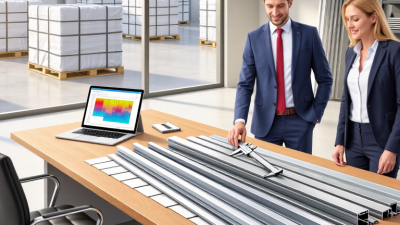
Production experience matters when profiles include thin walls, complex hollows, or tight tolerances. An established supplier can share engineering drawings, sample approvals, inspection records, and project references. It should also describe how defects are handled, from surface scratches to twisting and inconsistent hardness. Certifications can support credibility, but they do not replace independent verification. Samples should be tested before large orders begin. That step may seem slow. It often prevents expensive rework.
This introduction also considers communication, packaging, lead times, and after-sales support. Export experience helps, but it does not guarantee perfect performance. Even a capable supplier may miss a tolerance or misunderstand a drawing. Clear specifications and written inspections reduce that risk. The strongest partnership comes from transparent data, realistic claims, and regular technical discussion. China offers many qualified profile manufacturers, yet the “top” choice depends on your application, testing needs, and required production volume.
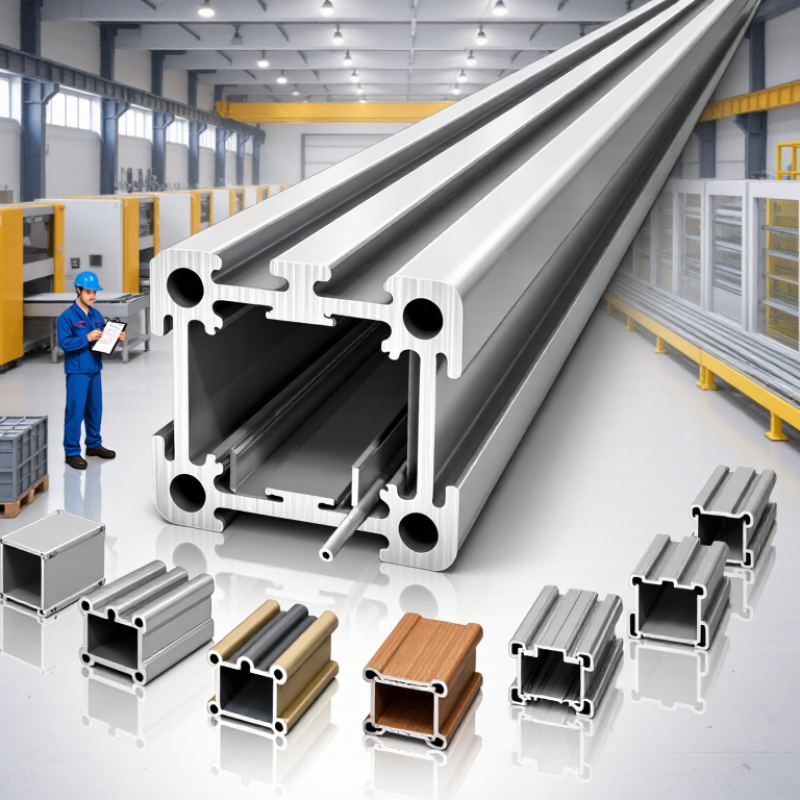
China Top High Strength Aluminum Profiles Supplier?
High-strength aluminum profiles are extruded sections engineered to carry greater loads than standard aluminum shapes. Their performance depends on alloy selection, heat treatment, wall thickness, and profile geometry. Common 6000-series alloys offer a useful balance of strength, corrosion resistance, machinability, and weldability. Some 7000-series alloys provide higher strength, but they may require stricter processing control.
The temper matters. T5 profiles gain strength through controlled cooling after extrusion and artificial aging. T6 profiles receive additional solution treatment before aging. These conditions influence yield strength, tensile strength, hardness, and dimensional stability. A profile may look identical before testing. Its performance can differ significantly.
Inspection should include chemical composition, hardness, tensile results, surface quality, and dimensional tolerance. Small deviations around bolt channels can affect assembly. Sharp internal corners may also create stress concentrations. Design reviews should examine load direction, connection methods, and expected service temperature. Stronger is not always better. Excessive strength may reduce ductility or complicate forming and welding. This trade-off is easy to underestimate. A reliable specification should state alloy, temper, dimensions, tolerances, test methods, and intended use. Certification documents help, but sampling still matters. One overlooked measurement can weaken an otherwise carefully designed structure.
High-strength aluminum profiles are typically produced from heat-treatable alloys that combine low density with high tensile and yield strength. The chart compares representative room-temperature mechanical properties of commonly used profile alloys.
Data shown in MPa. Values are representative published minimum or typical values for common product conditions; actual strength varies with alloy standard, temper, profile thickness, and heat-treatment requirements.
China Top High Strength Aluminum Profiles Supplier?
China’s High-Strength Aluminum Profile Manufacturing Capabilities
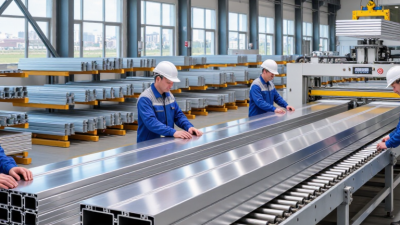
China has developed strong capabilities in high-strength aluminum profile manufacturing. Many experienced factories manage billet heating, precision extrusion, heat treatment, aging, and surface finishing in one production system. Common applications include rail structures, electric vehicle frames, industrial equipment, and lightweight construction.
The process begins with alloy selection. Different 6000-series alloys provide different balances of strength, corrosion resistance, and formability. Engineers must review wall thickness, hollow sections, corner radii, and dimensional tolerances before production. A profile may look simple, but thin walls can twist during extrusion. That detail often separates reliable production from costly rework.
Quality control should include hardness testing, tensile testing, dimensional inspection, and batch traceability. Experienced teams also inspect cut ends and weld areas, where hidden weaknesses may appear. No factory gets every batch perfect. The better ones record deviations and adjust temperature, die design, or aging time. That practical response builds trust.
Tips: Ask for alloy certificates, mechanical test results, extrusion tolerance data, and sample profiles before placing a large order. Confirm whether the supplier can support trial production and corrective feedback. A polished catalog is useful, but it cannot replace physical inspection.
China Top High Strength Aluminum Profiles Supplier?
Alloy Grades and Applications of High-Strength Aluminum Profiles
High-strength aluminum profiles are selected by load, environment, and manufacturing method. Alloy 6061-T6 offers balanced strength, weldability, and corrosion resistance. It suits machine frames, transport structures, platforms, and support rails. Alloy 6082-T6 usually provides higher strength in demanding structural sections. It performs well in bridges, industrial equipment, and heavy-duty frames.
7075-T6 delivers exceptional tensile strength but is less convenient for welding and corrosion-sensitive applications. It is often used for precision components, aerospace fixtures, and lightweight mechanical parts. Alloy 7005 can support welded transport structures when designers need a practical balance between strength and fabrication. The exact performance depends on section thickness, temper, and heat treatment.
A strong alloy is not always the best choice. I have seen designs fail after choosing strength while ignoring weld softening or local buckling. That mistake is expensive. Profile geometry matters greatly. Engineers should review load calculations, surface treatment, dimensional tolerances, and mill certificates before approval. Traceable chemical analysis and tensile testing improve purchasing reliability. Samples should also be checked under realistic assembly conditions, including bolts, welds, and repeated vibration. Some specifications look impressive on paper. They may perform differently on the factory floor. A qualified supplier should explain these limits clearly, not simply promise the highest strength.
| Alloy / Temper | Typical Ultimate Tensile Strength (MPa) |
Typical Yield Strength (MPa) |
Key Characteristics | Common Profile Forms | Typical Applications | Relevant Standards / Notes |
|---|---|---|---|---|---|---|
| 6061-T6 | Approximately 260–310 | Approximately 240–276 | Good strength-to-weight ratio, corrosion resistance, weldability, and machinability. | Structural channels, T-sections, angles, tubes, frames, and custom hollows. | Machine frames, automation equipment, transport structures, platforms, ladders, and general structural assemblies. | Commonly specified to ASTM B221, EN 755, or EN 755-2 depending on the market and product form. |
| 6082-T6 | Approximately 290–340 | Approximately 250–310 | High structural strength, good corrosion resistance, and suitable weldability; often selected for load-bearing profiles. | Heavy-duty beams, rectangular tubes, rails, channels, and engineered hollow sections. | Bridges, cranes, trailers, transport equipment, industrial supports, and heavy-duty machinery. | Widely used under EN 573 and EN 755 requirements; achievable properties depend strongly on section thickness. |
| 6063-T6 | Approximately 190–245 | Approximately 145–214 | Excellent surface finish, corrosion resistance, and extrudability; lower strength than 6061 and 6082. | Architectural frames, heat sinks, decorative trims, complex hollows, and thin-wall sections. | Windows, doors, curtain-wall components, lighting housings, furniture, and lightweight enclosures. | Best suited to applications prioritizing appearance and extrusion complexity rather than maximum structural strength. |
| 7005-T6 | Approximately 350–400 | Approximately 290–350 | High strength with useful weldability; commonly used where a stronger alternative to 6xxx alloys is required. | Tubing, frames, trusses, bicycle structures, and medium-complexity hollow profiles. | Bicycle frames, sports equipment, vehicle structures, lightweight towers, and transport assemblies. | Welded zones may experience reduced strength; post-weld design and heat-treatment requirements must be evaluated. |
| 7075-T6 | Approximately 500–570 | Approximately 430–505 | Very high strength and low density; lower corrosion resistance and weldability than most 6xxx alloys. | Precision bars, channels, limited-size profiles, and machined structural sections. | Aerospace components, high-load fixtures, robotics, racing equipment, and high-performance machinery. | Complex large extrusions can be more difficult; stress-corrosion resistance and protective finishing require attention. |
| 2024-T351 / T4 | Approximately 400–470 | Approximately 245–325 | High strength and good fatigue performance; comparatively limited corrosion resistance and weldability. | Specialty bars, thin sections, aerospace members, and machined or formed components. | Aircraft structures, precision components, transport hardware, and fatigue-sensitive assemblies. | Often protected by cladding, anodizing, paint, or other surface systems; verify extrusion availability and temper requirements. |
A reliable supplier should explain alloy grades, temper conditions, and strength data clearly. Ask for mill certificates, dimensional reports, and test records for each batch. High-strength profiles need more than attractive samples. Their performance depends on extrusion temperature, die design, aging treatment, and straightening control.
Inspect the production process where possible. Look for clean billet storage, calibrated testing equipment, and clear inspection points. Ask how the supplier handles profile tolerances, surface scratches, and rejected material. A useful sample should match your real design, including wall thickness, holes, corners, and final finish. Small details matter.
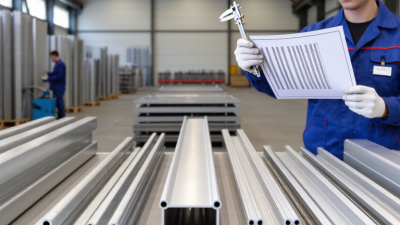
Request a trial order before signing a large contract. Check the profile with calipers, hardness testing, and assembly trials. Confirm packaging, loading methods, production capacity, and realistic delivery times. Traceable batch numbers are important when problems appear months later. Communication also reveals experience. Do engineers answer drawings with specific comments, or only promise fast delivery?
I have seen suppliers offer low prices, then revise tooling charges later. That does not always mean poor quality, but unclear terms create avoidable risk. Ask for written tolerances, payment stages, corrective-action procedures, and inspection responsibilities. Independent verification can add cost, yet it may prevent expensive production delays.
Quality Standards, Customization, and Export Services in China
A reliable supplier should prove quality through records, not promises. High-strength aluminum profiles need controlled alloy composition, extrusion temperature, and aging treatment. Professional factories normally follow standards such as GB, EN, ASTM, or agreed customer specifications. Material certificates should show alloy, temper, batch number, and test results. Dimensional inspections should check wall thickness, straightness, surface finish, and cutting accuracy. Small deviations can create major assembly problems.
Customization requires more than changing a profile drawing. Engineers must review load requirements, die structure, minimum wall thickness, and production volume. Samples are useful, but they can hide issues found during continuous production. Ask for trial reports and a clear approval process.
No supplier is perfect. A practical partner admits limitations and explains corrective actions. That honesty matters.
Tips: Confirm tolerances before tooling. Request samples from real production conditions. Check packaging with photos before shipment. Export support should include commercial invoices, packing lists, certificates of origin, and suitable protective materials. Profiles may need film wrapping, separators, or reinforced crates, especially during long sea transport. Delivery terms and inspection responsibilities should be written clearly. Some buyers focus only on price. That can be a costly mistake. Reliable communication, traceable inspections, and realistic lead times often protect the project better.