How to Choose the Right Industrial Aluminum Extrusion?
Choosing the right Industrial Aluminum Extrusion is rarely a simple matter of selecting the strongest alloy. The correct profile must match the load, environment, production volume, surface finish, and budget. A lightweight frame may need 6063 aluminum for clean anodizing, while a stressed structural component may require 6061 for higher strength. The difference appears on the shop floor: one profile cuts smoothly, while another produces excess scrap, distorted corners, or costly machining.
John E. Hatch, an experienced aluminum extrusion consultant, once observed, “The die is the heart of the extrusion process.” This practical view remains important. A poor die design can create thin walls, uneven cooling, or weak weld lines, even when the alloy is suitable. Good selection begins with the final application, not with a catalog shortcut. Engineers should review tolerances, wall thickness, temper, corrosion exposure, and joining methods before approving a design.
Small details matter. A 2-millimeter wall may reduce weight, but it can also complicate extrusion and handling. A tight tolerance may improve assembly, yet increase tooling and inspection costs. Sometimes, the first specification is too ambitious. That deserves honest review. Prototype testing, supplier experience, and documented quality controls can reveal problems before full production begins. The most reliable choice balances performance with manufacturability. It should also remain practical for the people who cut, finish, transport, and assemble the profile.
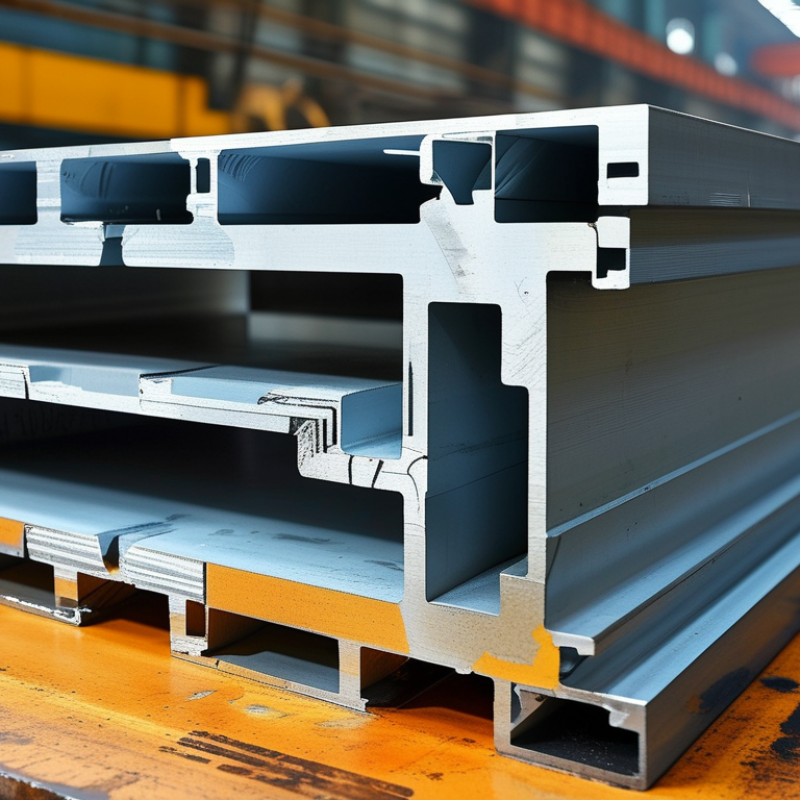
Define the Performance Requirements for Your Aluminum Extrusion
Choosing an industrial aluminum extrusion starts with performance, not profile shape.
Define the load, span, deflection limit, operating temperature, and expected service life. A strong-looking section may still twist under repeated loading. Check yield strength, stiffness, fatigue exposure, and connection details together. Alloy selection matters: 6061-T6 often supports higher structural loads, while 6063 is commonly chosen for finish quality and moderate strength. Confirm values through the Aluminum Association’s Aluminum Standards and Data, because published properties vary with temper and section thickness.
Corrosion requirements need equal attention. Identify moisture, salt spray, chemicals, and contact with dissimilar metals. Surface treatment can improve durability, but it cannot repair poor drainage or trapped water. Thermal movement also deserves measurement. Aluminum expands about 23 micrometres per metre per °C, so long assemblies need flexible joints or controlled clearances. The International Aluminium Institute reports that recycled aluminum uses roughly 5% of the energy required for primary aluminum. Therefore, recycled content may support sustainability goals, but only after mechanical and surface requirements are verified. This part is often underestimated.
Tips: Write measurable targets. For example, specify “maximum deflection of 2 mm,” not “high rigidity.” Request test data for the actual temper, wall thickness, and finish. Include tolerance limits and inspection methods. Then review the design under worst-case conditions, not average conditions. A perfect specification is rare. A revisable one is better.
Select the Right Extrusion Shape and Dimensional Specifications
Choosing the right industrial aluminum extrusion starts with the profile shape and its dimensional requirements. A rectangular tube may suit a machine frame, while a T-slot profile supports adjustable fixtures and guards. Do not select a shape from appearance alone. Its wall thickness, internal ribs, and corner radii affect strength, weight, and machining effort.
Review the working load, span, connection method, and available installation space. A deep profile usually resists bending better than a shallow one, but it can increase material use and interference risks. Specify outside dimensions, wall thickness, slot width, hole locations, and cut length clearly. Include practical tolerances. A drawing that says “precise fit” is not enough for production.
Leave room for assembly tools and fasteners. Tight internal corners can make drilling, tapping, or cleaning difficult. Consider thermal expansion when long sections face outdoor temperatures or heat from equipment. Surface requirements also matter, especially where sliding parts, seals, or visible panels meet the extrusion. Request a sample section or trial assembly before approving high-volume production. It can reveal unexpected deflection, sharp edges, or a connector that does not seat fully. I once underestimated access for a fastening tool; the profile was structurally sound, but installation became unnecessarily slow. Recheck the drawing from the installer’s viewpoint.
Evaluate Surface Finishes, Tolerances, and Manufacturing Quality
Choosing an industrial aluminum extrusion starts with the surface and the fit. In production reviews, I inspect samples under angled light, not only showroom lighting. Scratches, die lines, color shifts, and handling marks become obvious there. A finish should match the environment. Anodizing supports wear resistance, while powder coating offers broader color control. Neither finish hides poor preparation for long. Ask how the supplier cleans, dries, and checks each profile.
Tolerance decisions need practical context. A sliding rail may require tighter straightness than a protective cover. Over-specifying every dimension can increase machining, scrap, and cost without improving performance. Under-specifying critical areas creates assembly problems. Review wall thickness, corner radius, twist, bow, and cut length separately. Request inspection records from actual production lots, including gauge methods and measurement temperature. Aluminum changes size with heat. That detail is often missed.
Manufacturing quality also depends on die condition, billet consistency, cooling control, and operator discipline. I prefer suppliers who share process limits and sample reports before volume production. A first-article inspection can reveal uneven coating, blocked holes, or a profile that fits one fixture but not another. Corrective action should identify the cause, not merely replace rejected pieces. Small imperfections deserve attention. A beautiful sample may still fail after repeated assembly. Recheck the specification after testing, because real use often exposes assumptions that looked reasonable on paper.
How to Choose the Right Industrial Aluminum Extrusion?
Evaluate surface finishes, tolerances, and manufacturing quality using common technical reference values.
Anodized finishes commonly specify coating thickness around 15 μm for standard architectural protection, while powder coatings are often specified from approximately 60 μm upward. Dimensional tolerances generally become wider as profile size and complexity increase. Final limits should be confirmed against the applicable extrusion and coating standard, alloy, profile geometry, and inspection plan.
Review Suppliers, Costs, Lead Times, and Customization Options
Choosing the right industrial aluminum extrusion supplier requires more than comparing quoted prices. A capable supplier should explain alloy selection, die design, tolerance control, and surface finishing in clear terms. Ask for production samples, inspection records, and references from similar applications. Request evidence. A factory tour or video audit can reveal material storage, press capacity, and quality checks that a brochure may hide. Confirm whether the supplier manages cutting, drilling, anodizing, and packaging internally or through subcontractors.
Compare costs line by line, not only by price per kilogram. Tooling, setup, minimum order quantities, finishing, packaging, and freight can change the final figure. A low initial quote may exclude die maintenance or secondary machining. My first estimate would often look too optimistic if these details were missing. Ask for a written cost model with clear assumptions and revision conditions. That matters.
Lead times should include design approval, die production, trial runs, inspection, and shipping. Standard profiles may move quickly, while complex hollow sections need more testing. For customization, provide drawings with dimensions, tolerances, alloy, finish, hole locations, and load requirements. Discuss realistic tolerances early. Tight tolerances can increase scrap and machining costs without improving performance. Allow room. Build a sample approval stage before full production, then verify dimensions with calibrated tools. Even experienced teams can overlook packaging damage, finish variation, or distortion after cutting. A practical supplier will identify these risks instead of promising everything immediately.