2026 How to Choose the Right Industrial Aluminum Extrusion?
Selecting the right Industrial Aluminum Extrusion is crucial for any manufacturing process. As James Wright, a respected expert in the field, notes, "Precision in extrusion directly influences product quality." This underscores the importance of making informed decisions in this industry.
In the world of Industrial Aluminum Extrusion, one must consider various factors. These include the alloy type, dimensions, and intended application. Each choice impacts the final product's performance, durability, and cost-effectiveness. Ignoring these elements can lead to complications, increasing production time and expenses.
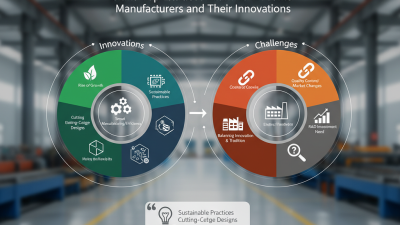
Manufacturers often face challenges in choosing suitable extrusions. Availability of materials, production capabilities, and design flexibility can vary widely. It’s essential to engage with suppliers and request samples to assess quality. This hands-on approach engages your senses and highlights potential issues. Reflecting on such experiences can enhance future decisions, fostering growth and improvement in your processes.
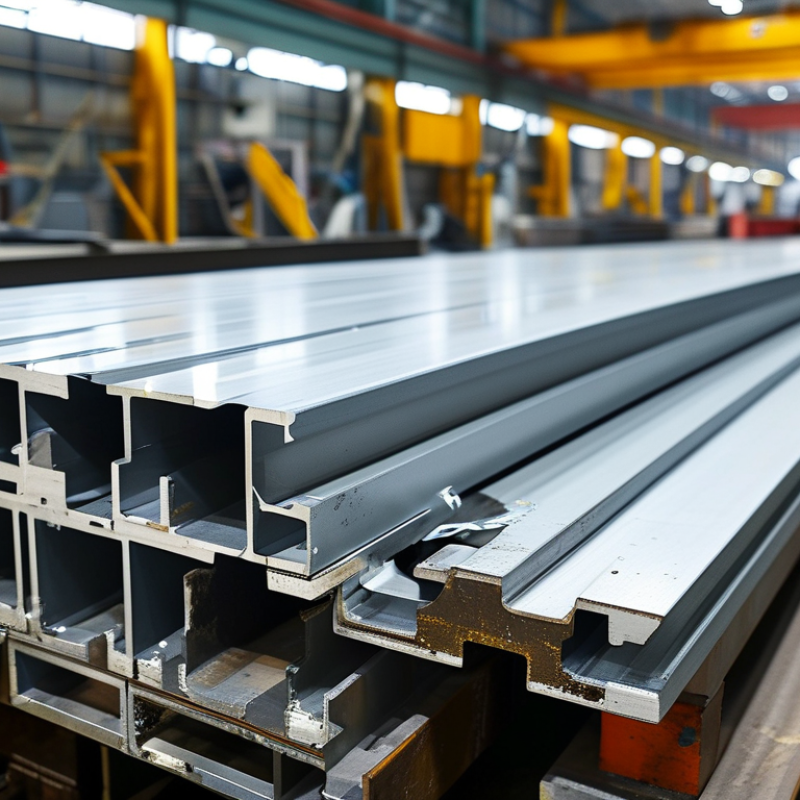
Understanding Industrial Aluminum Extrusion: Key Concepts
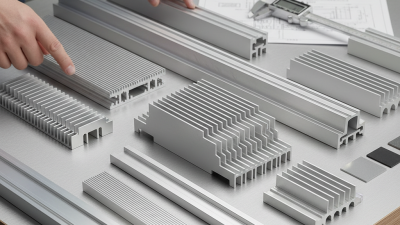
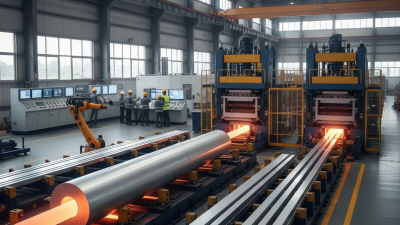
Understanding industrial aluminum extrusion involves grasping several key concepts fundamental to the process. Aluminum extrusion is a method of shaping aluminum by forcing it through a die. This technique produces complex cross-sectional profiles efficiently. According to the Aluminum Association, the extrusion industry accounted for $5.9 billion in the U.S. alone in 2022, highlighting its significance in manufacturing.
Choosing the right extrusion depends on several factors, including alloy selection. Common aluminum alloys used in extrusion are 6063 and 6061, each serving unique applications. For instance, 6061 is often chosen for structural components, while 6063 provides excellent aesthetic qualities. Understanding these materials helps meet specific design and performance needs.
Tip: Determine the application of your extrusion early. This influences alloy choice and design parameters significantly.
Additional considerations include the surface finish of extruded profiles. A well-defined finish improves corrosion resistance and aesthetics. The choice of anodizing, powder coating, or untreated finishes impacts both function and appearance.
Tip: Evaluate the end-use environment before selecting a finish. This ensures optimal durability and effectiveness. Remember, balancing cost with quality is crucial in production decisions.
Identifying Your Project Requirements for Aluminum Extrusions
When selecting the right industrial aluminum extrusion, understanding your project requirements is essential. Start by identifying the application of the extrusion. Will it bear weight? Is it part of a structural frame? Knowing its purpose helps in determining the necessary strength and dimensions.
Next, consider the environmental factors. Is the extrusion used indoors or outdoors? Exposure to moisture and temperature changes can affect the material’s performance. High-strength alloys may be necessary in harsh environments, while standard options work well for milder conditions. Also, think about surface treatments. Anodization or powder coating can enhance durability and aesthetics.
Reflect on the production volume as well. High demand may require more cost-effective designs. Is a custom extrusion vital for your project, or can you adapt to existing shapes? Take time to explore these aspects. Often, the right选择 takes experimentation and adjustments. It’s a balance of needs and capabilities. Understanding your specifics will lead you to the best aluminum extrusion for your project.
2026 Aluminum Extrusion Project Requirements Analysis
This chart displays the frequency of different project requirements for aluminum extrusions in various industries. The data highlights which requirements are most commonly prioritized during the project planning phase.
Evaluating Material Properties and Specifications
When selecting industrial aluminum extrusion, material properties and specifications are crucial. Understanding these aspects ensures optimal performance in applications. Aluminum alloys vary widely in strength, corrosion resistance, and machinability. For instance, 6061-T6 is known for its high strength and lightweight nature, making it a popular choice for structural components.
Density is another critical factor. Aluminum's density typically ranges from 2.5 to 2.9 g/cm³. This weight advantage is significant, especially in aerospace and automotive industries, where reducing mass impacts efficiency and fuel consumption. Additionally, the quality of extrusion affects mechanical properties. Reports indicate that extruded materials often exhibit improved yield strength and elongation, vital for challenging applications.
One should also consider thermal and electrical conductivity. Aluminum's thermal conductivity generally falls between 120 to 250 W/m·K, influencing applications where heat dissipation is essential. Yet, selecting the right alloy involves trade-offs. For instance, higher strength alloys may compromise corrosion resistance. Each project's specific needs must guide the decision-making process, and ongoing assessment is necessary to avoid costly missteps in material selection.
Comparing Different Aluminum Alloys for Extrusion
When it comes to choosing the right industrial aluminum extrusion, the alloy selection is crucial. Different aluminum alloys exhibit distinct properties, making them suitable for various applications. For example, 6061 aluminum is widely used due to its good mechanical properties and weldability, making it ideal for structural components. According to a report by the Aluminum Association, this alloy accounts for nearly 20% of the total aluminum extrusions in the market.
Another alloy worth considering is 6063, which is popular for architectural applications. It offers excellent corrosion resistance and a smooth surface finish. The market demand for this alloy has increased by approximately 15% over the past five years. However, its lower strength compared to 6061 can limit its use in high-stress applications.
Additionally, 7005 aluminum is often overlooked but has significant advantages. It provides better strength-to-weight ratios, making it suitable for industries requiring lightweight yet robust materials. According to recent industry studies, 7005 is increasingly used in applications like bicycle frames and sporting goods. Understanding these differences allows manufacturers to make informed decisions, avoiding common mistakes in alloy selection. Each choice comes with trade-offs, reflecting the complexity of material properties.
Selecting the Right Fabrication and Finishing Processes
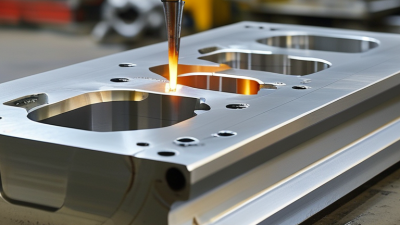
Choosing the right fabrication and finishing processes for industrial aluminum extrusion is crucial. Various methods can significantly affect the final product's performance. For example, extrusion die design can lead to different surface qualities and tolerances. Data from the Aluminum Association indicates that up to 30% of design issues arise from improper die selection and preparation.
Finishing processes also play a vital role. Options like anodizing and powder coating offer distinct benefits. Anodizing increases corrosion resistance and may enhance aesthetics. In contrast, powder coating provides improved durability. A 2022 report by Grand View Research highlights that the global aluminum finishing market is expected to grow by 5.5% annually until 2030, emphasizing rising demand for quality finishes.
Despite technological advancements, errors can occur. For instance, process inconsistencies during extrusion may lead to dimensional discrepancies. Continuous monitoring and quality checks are essential to mitigate these risks. Companies often struggle to balance cost and quality. Careful evaluation of both fabrication and finishing processes can lead to better decision-making, ultimately ensuring product integrity.
2026 How to Choose the Right Industrial Aluminum Extrusion? - Selecting the Right Fabrication and Finishing Processes
| Criteria |
Options |
Benefits |
| Weight |
Lightweight Options |
Easier handling and reduced shipping costs |
| Strength |
High-Strength Alloys |
Improved structural integrity for demanding applications |
| Finish |
Anodizing |
Enhanced corrosion resistance and aesthetic appeal |
| Fabrication Process |
Precision Cutting |
Exact dimensions and reduced waste |
| Thermal Properties |
Thermal Break Options |
Improved energy efficiency in building applications |
| Recyclability |
100% Recyclable Materials |
Sustainable manufacturing practices and reduced waste |