Top Aluminum Extrusion Mould Designs for Efficient Manufacturing?
In the competitive world of manufacturing, efficient production methods are essential. The design of an Aluminum Extrusion Mould plays a crucial role in this process. It significantly impacts both the quality of the final product and overall production costs. Designers must understand not only the technical specifications but also the unique requirements of their projects.
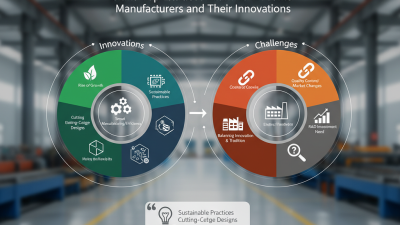
Innovative mould designs enhance production efficiency, reduce waste, and streamline operations. However, there are challenges in balancing complexity and functionality. Many manufacturers struggle with the initial investment in the latest mould designs. Mistakes in the design process can lead to costly delays and wasted materials. The pursuit of perfect mould designs is ongoing. Each new project presents its own lessons, pushing the need for continuous improvement.
Ultimately, the success of an Aluminum Extrusion Mould hinges on a blend of creativity, experience, and technical expertise. Properly designed moulds yield better product outcomes and foster reliability in manufacturing processes. Reflection on past designs can lead to breakthroughs in efficiency and quality.
Key Considerations in Aluminum Extrusion Mould Design
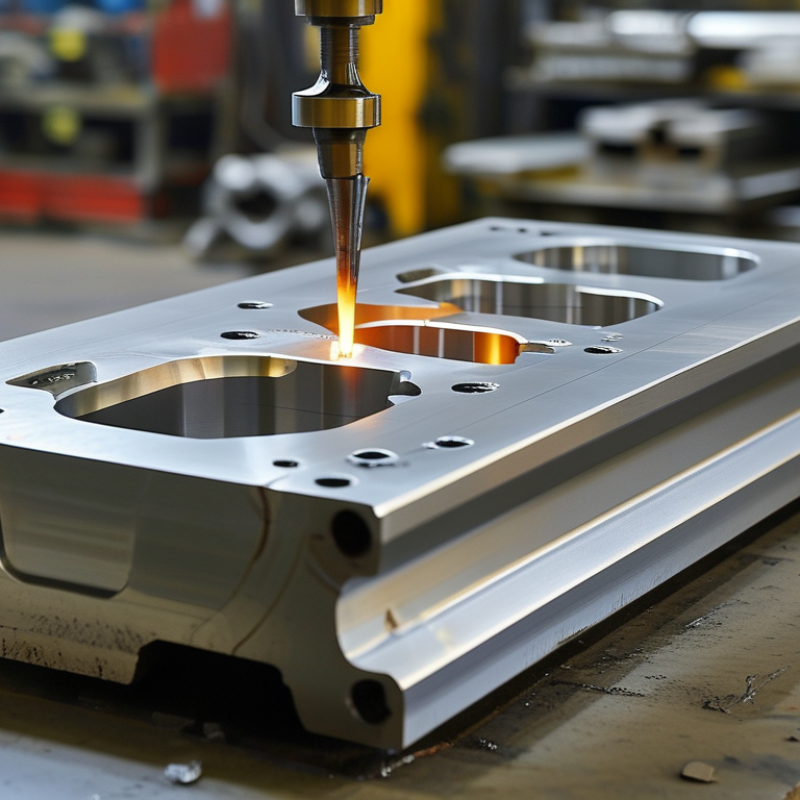
Designing aluminum extrusion molds requires a blend of art and science. The intricacies of mold geometry are vital. Every angle and curve directly impact the extrusion process. One needs to consider not just the final shape but also how the material flows. The filling process must be uniform. Any imbalance can lead to defects.
Cooling channels are another crucial element. Properly designed cooling systems can significantly reduce cycle time. However, designing them isn't straightforward. If channels are too close to the surface, it may cause warping. If they're too far, the cooling may be inadequate. Striking the right balance can be challenging.
Material selection also plays a vital role. The mold must withstand high-pressure extrusion forces. Common choices include tool steels or alloys. Each has its pros and cons. For instance, harder materials can resist wear, but they may be difficult to machine. It’s essential to reflect on these trade-offs. An optimal design should guarantee efficiency while minimizing waste.
Common Types of Aluminum Extrusion Mould Designs
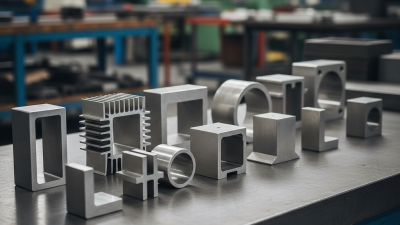
Aluminum extrusion involves shaping aluminum under high pressure. Key to this process is designing effective molds. Common types of aluminum extrusion molds include porthole, die, and multi-chamber designs. Each design serves specific applications. Porthole molds are frequently used for tubes, offering smooth inner surfaces. Die molds allow for more complex shapes, essential for intricate components.
Industry reports indicate that optimized mold designs can improve production efficiency by up to 30%. This reduction in waste is crucial. A good mold can significantly lower scrap rates and enhance the quality of extruded products. However, not every design works well in all scenarios. Engineers often face challenges, such as material flow and cooling rates. Testing and adjustments are vital.
Tips: Always employ simulation software when designing molds. This can catch potential issues early in the process. Moreover, keep maintenance in mind. Regular inspections can prevent costly downtime. Consider training for staff on mold handling to ensure optimal performance. Small oversights can lead to larger problems later on. Implementing a feedback loop can help adjust designs based on production data, improving mold effectiveness.
Innovative Features to Enhance Manufacturing Efficiency
In the world of aluminum extrusion, efficient manufacturing hinges on innovative mould designs. Recent industry reports indicate that the right mould can increase production efficiency by up to 30%. This enhancement directly correlates with design features that prioritize precision and adaptability.
One key aspect is the integration of modular components in mould design. Modular systems allow for quicker adjustments and replacements, reducing downtime. A study from the Aluminum Association highlights that factories using modular moulds report a 25% decrease in setup time. This flexibility is crucial for manufacturers facing fluctuating market demands.
Additionally, temperature control technology is vital for improving product consistency. Advanced moulds equipped with precise temperature sensors can maintain optimal extrusion temperatures. This innovation leads to fewer defects and waste. Research suggests that effective temperature regulation can cut scrap rates by nearly 15%. However, some manufacturers still struggle to implement these technologies, often due to high initial costs and training requirements. This presents a significant opportunity for the industry to reflect on how they can overcome these barriers for better efficiency.
Best Practices for Selecting Materials in Mould Making
When selecting materials for aluminium mould making, several factors must be considered. The material choice significantly impacts the mould's longevity and performance. Steel alloys are often preferred for their durability and thermal conductivity. However, the initial cost can be high. This means manufacturers must carefully evaluate their production needs against budget constraints.
Aluminium is another option, prized for its lightweight and cost-effectiveness. It can wear down more quickly than steel. This necessitates regular maintenance and potential replacements. Understanding the production volume is crucial. For low to medium runs, aluminium might suffice. For high-volume production, investing in steel may be more prudent.
Ultimately, the selected material affects the overall efficiency of the manufacturing process. Often, the right balance between cost and performance is elusive. Manufacturers might find themselves regretting a hasty decision. Regular reassessment of mould performance can reveal opportunities for improvement. A methodical approach to material selection anchors the production in reliability and quality.
Future Trends in Aluminum Extrusion Mould Technology
The future of aluminum extrusion mold technology is both exciting and complex. Advancements in materials and processes are shaping outcomes. New mold designs enhance efficiency, yet challenges persist. Engineers must evaluate the cost versus benefits of innovative solutions. The introduction of lightweight and durable materials allows for better molds, but testing remains critical for quality assurance.
Additive manufacturing is gaining traction in mold design. This approach significantly reduces production time and costs. Traditional methods often fall short in flexibility, whereas 3D printing offers rapid prototyping. However, some manufacturers hesitate, fearing the reliability of the final products. Regulatory standards also put a spotlight on these evolving techniques. Balancing innovation with compliance is no small task.
Sustainability is another pressing trend. Many manufacturers are shifting toward eco-friendly practices. This includes recyclable materials and energy-efficient processes. Yet, there’s still room for improvement. Some companies struggle to fully implement these green strategies. Industry experts agree that embracing sustainable practices will be crucial for long-term success.
Top Aluminum Extrusion Mould Designs for Efficient Manufacturing - Future Trends in Aluminum Extrusion Mould Technology
| Design Type |
Material Used |
Weight (kg) |
Production Efficiency (%) |
Expected Lifespan (years) |
| Conventional Designs |
Aluminum Alloy 6063 |
50 |
75 |
10 |
| Modified Designs |
Aluminum Alloy 7075 |
45 |
80 |
12 |
| Complex Geometry Designs |
Custom Aluminum Alloy |
55 |
90 |
15 |
| Lightweight Designs |
Aluminum Alloy 2024 |
40 |
85 |
8 |
| Extreme Duty Designs |
High-Strength Aluminum |
60 |
70 |
20 |