Top 10 Benefits of Aluminum Heatsink Extrusion for Effective Cooling Solutions?
In today's fast-paced technological environment, efficient cooling solutions are vital. Aluminum Heatsink Extrusion has emerged as a key player in this domain. Renowned expert Dr. Steven Carter, specializing in thermal management, states, “Aluminum heatsink extrusion is revolutionizing how we approach cooling in electronic devices.” His insights highlight the importance of this method.
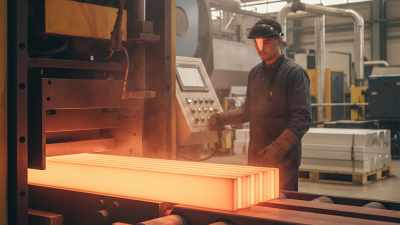
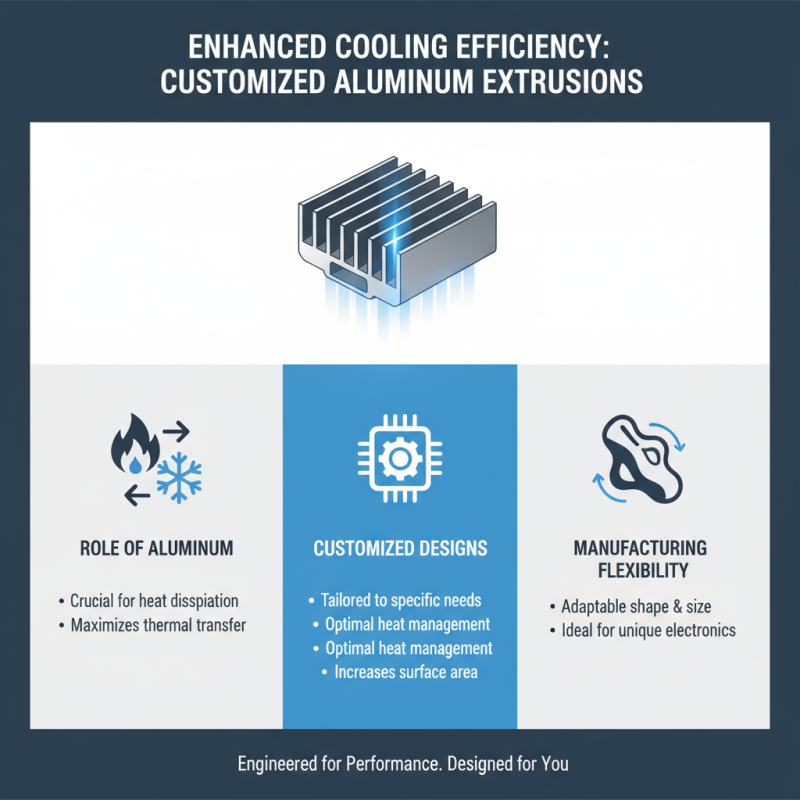
Aluminum Heatsink Extrusion offers several advantages. It enhances thermal conductivity, allowing heat to dissipate quickly. The lightweight nature of aluminum makes it an ideal choice for various applications. Moreover, extrusion processes ensure precise shapes that optimize airflow and cooling efficiency. However, the industry still grapples with increasing demands and environmental concerns, requiring continuous innovation.
The benefits of Aluminum Heatsink Extrusion are compelling. Yet, it is essential to reflect on the potential environmental impact and recyclability challenges. As technology evolves, so must our approaches to manufacturing and sustainability. This ongoing dialogue will shape the future of effective cooling solutions.

Understanding Aluminum Heatsink Extrusion and Its Importance
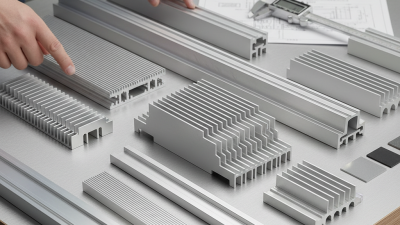
Aluminum heatsink extrusion plays a crucial role in effective cooling solutions. This process involves shaping aluminum into profiles designed to enhance thermal conductivity. Aluminum is lightweight and has excellent heat dissipation properties. These qualities are vital for electronic devices that generate excess heat. When electronics overheat, their performance deteriorates. Therefore, effective cooling is not just a choice; it’s a necessity.
The importance of aluminum heatsink extrusion lies in its versatility. It can be customized to fit various applications, from small circuit boards to large industrial machines. The extrusion process also ensures that these heatsinks can be produced at scale. This makes them not only effective but also cost-efficient. However, achieving the right balance between design and functionality can be challenging. Engineers must carefully consider dimensions, surface area, and material thickness. Sometimes, even minor design flaws can lead to inadequate cooling.
Moreover, the durability of aluminum adds to its appeal. It withstands harsh environments without corroding easily. However, aluminum's conductivity can vary based on alloy composition. Designers must be aware of this to ensure optimal performance. While aluminum heatsink extrusion provides numerous benefits, continuous innovation and testing are essential. Identifying potential weaknesses in designs ensures reliability. Designing a truly effective heatsink requires ongoing research and refinement.
Top 10 Benefits of Aluminum Heatsink Extrusion for Effective Cooling Solutions
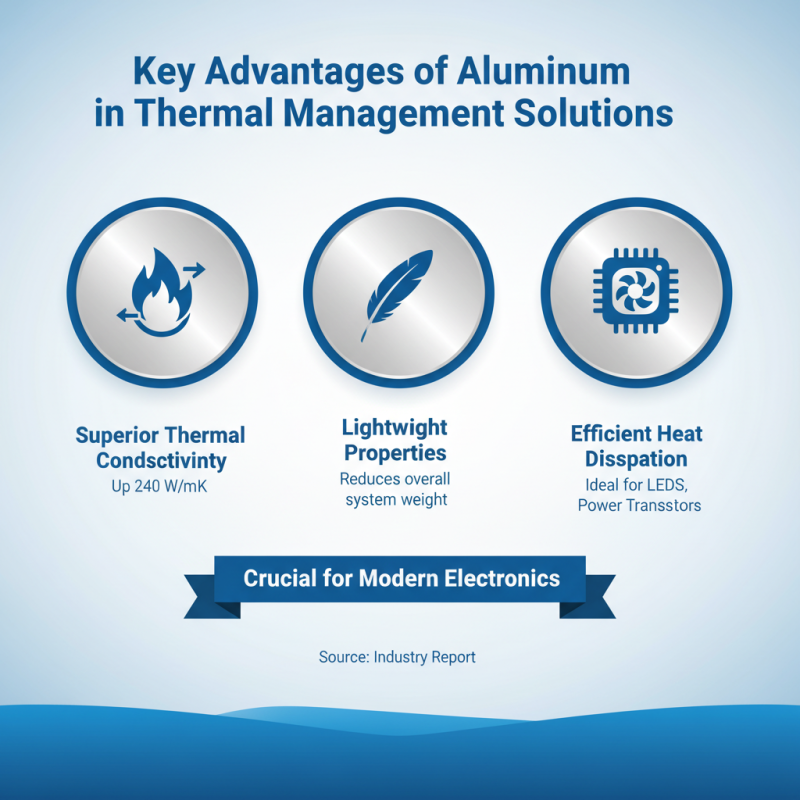
Key Advantages of Aluminum in Thermal Management Solutions
Aluminum is becoming a popular choice in thermal management solutions due to its impressive thermal conductivity and lightweight properties. According to a recent industry report, aluminum heatsinks can dissipate heat up to 240 W/mK, making them highly effective in managing temperatures. This efficiency is crucial for electronic devices that generate significant heat, such as LEDs and power transistors.
Furthermore, the extrusion process for aluminum allows for intricate shapes and designs. This adaptability enables manufacturers to create tailored solutions that fit specific application needs. Precise design means improved heat dissipation and more effective cooling systems. In some studies, aluminum extrusions have been shown to reduce thermal resistance by more than 30%, leading to enhanced performance.
However, while aluminum offers many benefits, it's essential to consider potential downsides, like susceptibility to corrosion. Proper surface treatments can mitigate these risks, ensuring longevity in various environments. The industry continues to explore these challenges, aiming to enhance the reliability of aluminum as a thermal management solution. This ongoing research is crucial for developing next-generation cooling solutions that meet evolving consumer demands.
Cost-Effectiveness of Aluminum Extrusions for Cooling Applications
Aluminum extrusions are a popular choice for cooling applications. Their cost-effectiveness is a major advantage. Compared to other materials, aluminum offers a favorable balance of performance and affordability.
It’s lightweight, which helps reduce shipping costs. Simultaneously, its thermal conductivity effectively dissipates heat. This ensures longer equipment lifespan and enhanced reliability.
Many companies find that using aluminum heatsinks leads to lower production costs. The extrusion process allows for complex shapes, tailoring designs to specific needs. This can eliminate additional machining steps, further saving on costs.
However, sometimes the initial tooling costs can be a drawback. It’s important to assess whether the long-term savings outweigh these upfront expenses.
Despite their advantages, there may be limitations in certain applications. For instance, in environments with extreme corrosion, aluminum may require treatment. Without this, the material could degrade faster than anticipated.
This aspect warrants careful consideration. Understanding the trade-offs is essential for informed decision-making in cooling solutions.
Environmental Benefits of Using Aluminum Heatsinks for Sustainability
Aluminum heatsinks play a significant role in promoting sustainability. Unlike other materials, aluminum is highly recyclable. This property reduces waste and minimizes energy consumption during manufacturing. The process of recycling aluminum requires only a fraction of the energy needed for production from raw materials. By using aluminum heatsinks, companies can lower their carbon footprint.
Moreover, aluminum is abundant and easy to source. This reduces reliance on more harmful substances. Not every material can claim such a positive environmental impact. However, there are challenges. The extraction process of aluminum can be energy-intensive and may lead to habitat destruction. It's essential to improve mining practices to address this issue.
Using aluminum heatsinks also encourages longevity in products. They can withstand high temperatures and resist corrosion. This durability extends product lifespan. Yet, one must consider the entire supply chain. Manufacturers should aim for a balance between efficiency and environmental responsibility. The conversation around aluminum heatsinks continues to evolve as we find better ways to enhance their sustainability.
Top 10 Benefits of Aluminum Heatsink Extrusion for Effective Cooling Solutions
| Benefit |
Description |
Environmental Impact |
| Lightweight |
Aluminum is significantly lighter than many other metals, making it easier to handle and install. |
Reduces transportation energy costs due to lower weight. |
| Corrosion Resistance |
Aluminum has a natural oxide layer that protects it, extending the lifespan of heatsinks. |
Lower disposal and maintenance environmental footprint. |
| Excellent Thermal Conductivity |
Aluminum efficiently transfers heat away from components, improving performance. |
Enhances energy efficiency in cooling systems. |
| Recyclability |
Aluminum can be recycled indefinitely without loss of properties. |
Promotes a circular economy and reduces waste. |
| Cost-Effective |
Aluminum is a cost-efficient material due to its availability and ease of processing. |
Promotes sustainable production practices. |
| Thermal Stability |
Aluminum retains its properties under various temperatures. |
Reduces the need for frequent replacements, minimizing resource use. |
| Formability |
Can be extruded into complex shapes, optimizing cooling performance. |
Facilitates efficient design and manufacturing processes. |
| Non-toxic |
Aluminum poses no threat to human health or the environment. |
Supports environmentally safe products. |
| Aesthetic Options |
Can be anodized or painted for decorative purposes. |
Encourages use of sustainable materials without sacrificing appearance. |
| Durability |
Aluminum heatsinks can withstand mechanical stresses effectively. |
Minimizes the environmental impact of product failures. |