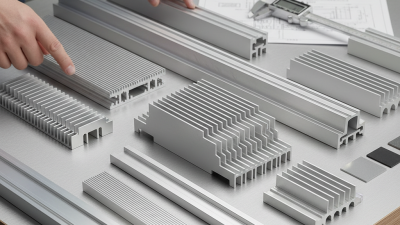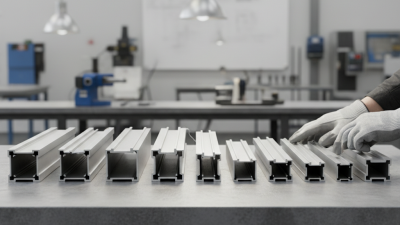
In recent years, the use of LED aluminum profiles has transformed lighting projects. These profiles provide not only structural support but also enhance aesthetic appeal. They cater to various applications, from residential to commercial spaces.
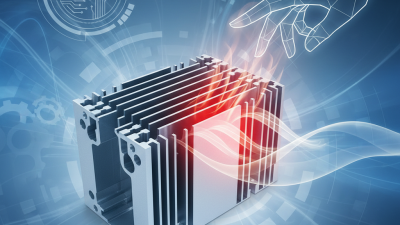
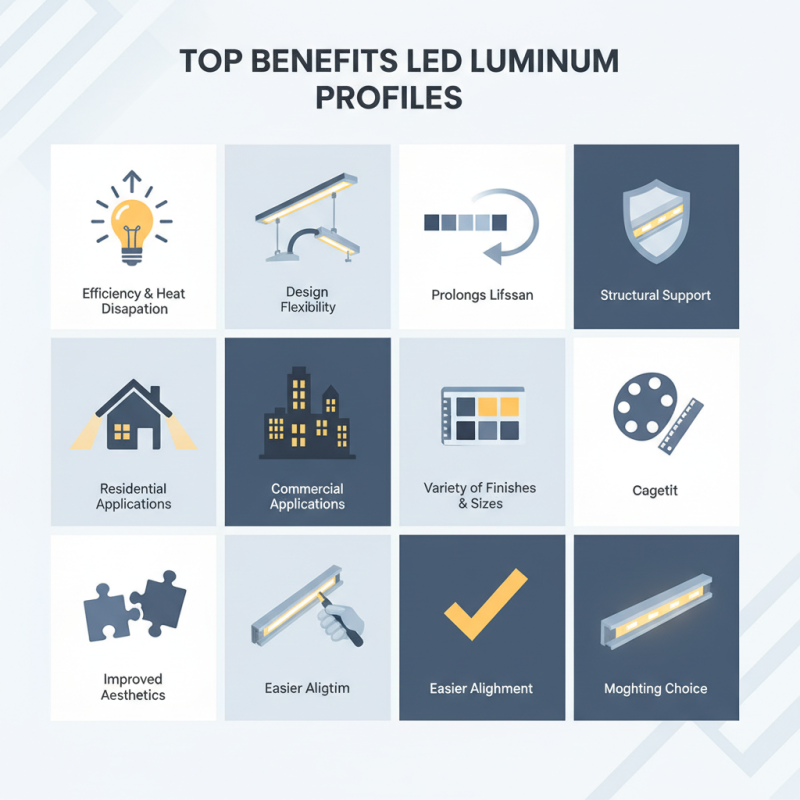
One compelling benefit of the LED aluminum profile is its efficiency. These profiles dissipate heat effectively, prolonging the lifespan of LED lights. Moreover, they offer flexibility in design, allowing innovative lighting solutions. With a range of finishes and sizes, users can find a perfect match for any project.
While LED aluminum profiles offer many advantages, there's room for improvement in some applications. Sometimes, alignment can be challenging, requiring careful planning. Despite these minor setbacks, the overall benefits greatly outweigh any drawbacks. This makes LED aluminum profiles an essential choice for modern lighting design.
LED aluminum profiles play a crucial role in modern lighting design. These profiles not only enhance aesthetic appeal but also improve light distribution and efficiency. According to a report by the U.S. Department of Energy, LED lighting can reduce energy consumption by up to 75% compared to traditional lighting. This efficiency is largely due to the use of aluminum profiles. They dissipate heat effectively, prolonging the lifespan of LEDs while maintaining optimal performance.
When choosing LED aluminum profiles, it's important to consider specific design and functional attributes. A well-designed profile can significantly impact both light output and installation ease. Profile dimensions affect beam angle and light distribution. Additionally, it's crucial to assess thermal management capabilities. Poor heat dissipation can lead to reduced performance. Reliable materials and construction methods are key factors that should not be overlooked.
While many appreciate the benefits, some encounter challenges in installation and compatibility with various LED components. It's vital to analyze the overall design before committing to a profile. Collaborating with professionals in the field can help identify the most fitting solutions for specific projects. Balancing aesthetics with functionality is essential for successful lighting outcomes.
LED aluminum profiles offer a practical solution for effective heat dissipation in lighting projects. Heat build-up can significantly reduce the lifespan of LED lights. By using aluminum profiles, the heat generated is efficiently dissipated, extending the operational life of the bulbs. This feature makes them suitable for various applications, from residential spaces to large commercial areas.
When considering installation, ensure proper alignment and secure mounting of the aluminum profiles. This not only enhances heat transfer but also prevents potential damage due to thermal expansion. Select profiles that match the specific needs of your project regarding size and shape. Different configurations can impact heat dissipation efficiency.
For optimal performance, maintain a clean environment around the profiles. Dust and grime can hinder heat dissipation and may lead to overheating issues. Regularly inspect the fixtures to ensure they are free from obstructions. Remember, investing in good quality aluminum profiles can save you time and money in the long run.
| Benefit | Description | Impact |
|---|---|---|
| Improved Heat Dissipation | LED aluminum profiles effectively disperse heat, prolonging the LED lifespan. | Increased efficiency and durability of lighting. |
| Aesthetic Design | Sleek and modern finishes enhance the look of lighting projects. | Improved visual appeal and design flexibility. |
| Easy Installation | Pre-cut and customizable options make for simple setup. | Reduced labor costs and installation time. |
| Enhanced Light Distribution | Even light spread reduces shadows and improves visibility. | Higher user satisfaction and functionality. |
| Durability | Aluminum profiles resist corrosion and damage from external factors. | Longer lifespan and lower maintenance costs. |
| Versatility | Can be adapted for various applications, from residential to commercial. | Increased application range and diverse project options. |
| Energy Efficiency | LEDs use less energy compared to traditional lighting solutions. | Lower energy bills and reduced environmental impact. |
| Customizable Lengths | Profiles can be cut or extended to meet specific project needs. | Flexibility in design and installation. |
| Safety Features | Low voltage operation minimizes fire risk and electric shocks. | Increased safety for installations. |
| Sustainability | Aluminum is a recyclable material, promoting eco-friendly practices. | Contributes to green building initiatives. |
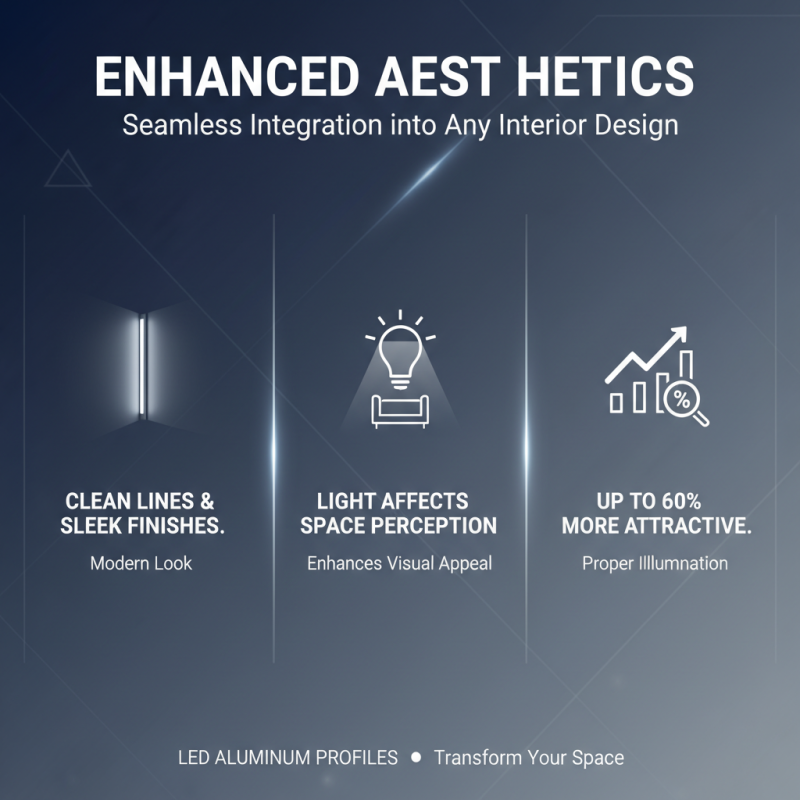
The integration of LED aluminum profiles into interior design elevates aesthetics remarkably. The clean lines and sleek finishes of these profiles contribute to a modern look. Studies show that lighting affects the perception of space, and well-designed profiles can enhance the visual appeal of any room. For instance, a report by the Lighting Research Center states that proper illumination can increase the attractiveness of a space by up to 60%.
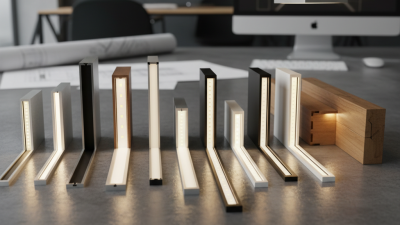
Aluminum profiles provide flexibility in design, allowing for customized shapes and sizes. They can integrate various lighting types, such as indirect or accent lighting, creating a harmonious atmosphere. This seamless integration helps in minimizing visual clutter. A well-placed LED strip within a profile can create a calming ambiance or highlight architectural features effectively.
However, it’s essential to consider the overall lighting plan. Sometimes, excessive use of LED profiles can overpower a space. Balance is vital. Insights from the American Society of Interior Designers emphasize creating a cohesive design. Oversaturating with lighting can lead to discomfort. The key is to enhance, not overwhelm, your environment. Thoughtful integration ensures that LED aluminum profiles not only illuminate but also unify design elements beautifully.
Aluminum profiles have gained popularity in lighting projects due to their impressive durability and longevity. Unlike plastics or wood, aluminum is inherently resistant to rusting and corrosion. This makes it ideal for various environments, including outdoor settings where exposure to moisture is prevalent.
Aluminum profiles can withstand high temperatures without losing their structural integrity. This resilience ensures that lighting systems remain functional and safe over time.
One downside to consider is the initial cost of aluminum profiles. They can be more expensive than other materials upfront. However, the long-term benefits often outweigh the initial investment. Aluminum’s lifespan can exceed that of other materials by several years. This longevity means fewer replacements and lower maintenance costs. Ultimately, investing in aluminum profiles often proves to be economical over time.
Additionally, aluminum provides excellent thermal management. It dissipates heat generated by LED lights effectively. This feature prevents overheating, further extending the life of the lighting system. It’s worth reflecting on how a choice of material impacts performance. In this regard, aluminum profiles offer a reliable solution for sustainable lighting projects.
Using LED aluminum profiles for lighting projects significantly enhances cost-effectiveness. These profiles optimize energy consumption. They are designed to conduct heat away, ensuring LEDs perform efficiently. This efficiency leads to lower electricity bills. Many users report up to 80% energy savings when switching to LED fixtures. This reduction is a crucial factor for businesses and homeowners alike.
Moreover, LED aluminum profiles require less maintenance. Traditional lighting often needs frequent bulb replacements. In contrast, LED lights last much longer, sometimes over 25,000 hours. This longevity decreases the need for repairs and replacements. It's a relief for property managers who deal with overhead costs. The upfront investment in aluminum profiles pays off as they mitigate long-term expenses.
That said, not all installations are straightforward. Custom cuts and fittings may be necessary, which adds complexity. Users might face challenges selecting the right profile for their specific project. However, the overall benefits often outweigh these hurdles. Exploring options can lead to better choices tailored for unique lighting needs.