Choosing the right Led Aluminum Profile in 2026 is more than a finish decision. The profile affects heat dissipation, light distribution, glare, and how neatly a strip fits beneath a cabinet or along a stair edge. The U.S. Department of Energy reports that LEDs use at least 75% less energy and can last up to 25 times longer than incandescent lighting. Those figures describe LED technology overall—not aluminum profiles—so the housing, strip, driver, and installation still need to work as one system.
A useful comparison starts with the actual job. A shallow surface-mounted channel may suit a shelf, while a recessed profile can create a cleaner line in a ceiling. Check the strip width, profile depth, diffuser, mounting method, and expected heat load before choosing. Small details matter. A frosted cover can soften visible LED dots, but it may also reduce light output; an attractive profile is not automatically the best-performing one.
Grand View Research’s LED lighting market report points to continued growth in the wider LED sector, but market growth alone cannot identify the right profile for a specific project. This guide compares common profile types by application, optics, installation, and practical trade-offs. No source articles or verifiable profile-specialist quotation were supplied, so I cannot responsibly attribute a direct quote to a named expert. A quote should be added only after its original source is confirmed.
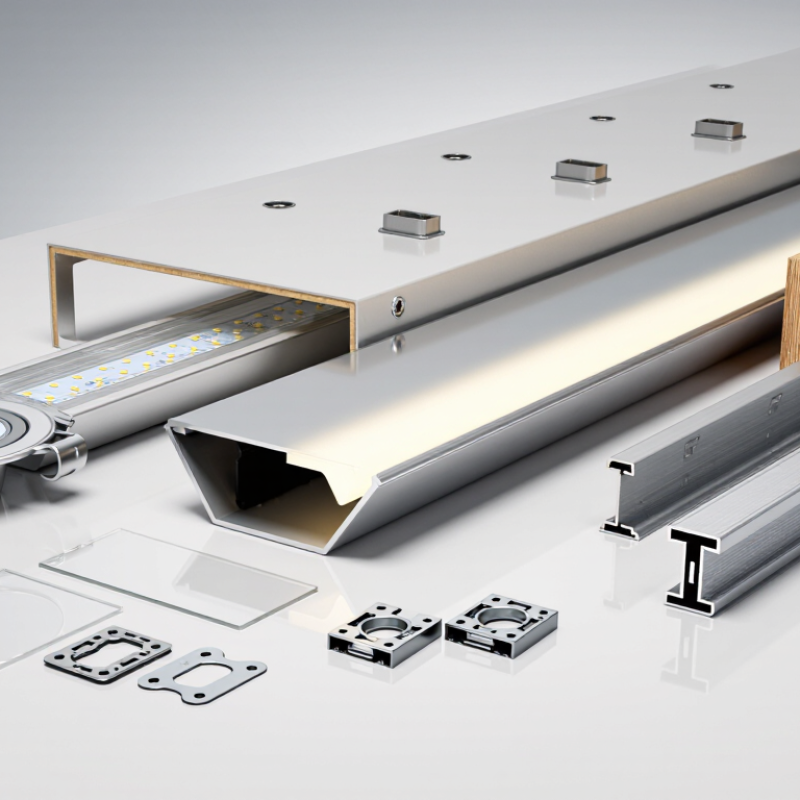
An LED aluminum profile is a shaped metal channel that holds an LED strip in place. Most systems include the channel, a cover, and end caps. The strip sits inside, while the cover softens visible points of light. It is more than a decorative trim. The aluminum can spread heat away from the strip, though its effectiveness depends on the profile’s size, installation, and airflow. It is not magic.
When powered, the strip’s LEDs convert electricity into light and some heat. The profile provides a mounting surface and a path for heat to move into the surrounding air. A snug fit helps; dust, gaps, or an undersized channel can limit contact. In practice, check the strip maker’s power and installation guidance before choosing a profile. Measure twice. Cutting once is still not always perfect.
The cover affects both appearance and brightness. A clear cover usually preserves more light, while a frosted one can reduce harsh dots, with some light loss. Recessed channels suit clean cabinet lines; surface-mounted ones work where cutting a groove is impractical. For kitchens or bathrooms, consider moisture exposure and choose a suitable complete assembly, not just a sealed-looking cap. I have seen neat installations look uneven because the LED strip was bent around a corner. Plan the route and connectors before fixing the channel.
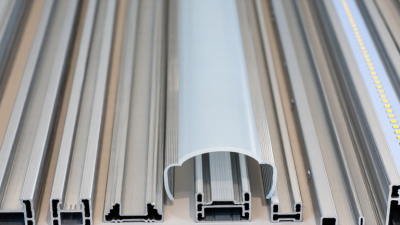
Choosing an LED aluminum profile starts with the lighting task, not the shape. Surface-mounted profiles suit cabinet undersides and shelves, where a visible fixture is acceptable. Recessed profiles sit flush in joinery or wall grooves for a cleaner line. Corner profiles aim light across a worktop or into a wardrobe. For open offices, suspended linear profiles can provide broad, downward illumination.
Diffusers matter. A shallow channel with a clear cover may reveal bright LED dots, especially at eye level. A deeper profile and opal diffuser can soften the source, though they may reduce light output. The U.S. Department of Energy’s Energy Saver guidance says LEDs use at least 75% less energy and last up to 25 times longer than incandescent lighting. That comparison describes the light source, not the profile; channel temperature and installation still affect performance. Small detail. Check the LED manufacturer’s thermal limits and the profile’s internal width before ordering.
Tips: For a kitchen counter, test a corner or surface profile with the actual diffuser before fixing it in place. Measure the cable route, end caps, and mounting clips too. They take space. A profile that looks right in a drawing can feel too prominent in a narrow shelf, and I’d reconsider the choice after a full-size mock-up.
Which LED Aluminum Profile Is Best for Your Project in 2026?
How to Match Profile Shape and Size to Your Project
An LED profile should fit the installation before it fits the mood board. Surface-mounted channels suit cabinets, shelves, and visible ceiling lines. Recessed profiles sit flush in routed grooves, while corner profiles direct light across worktops or display cases. Measure the LED strip width, channel depth, and available clearance together. A few millimeters matter. Too-shallow channels can reveal bright LED dots through the diffuser; deeper channels may soften them but use more space.
Size also affects heat management and appearance. The U.S. Department of Energy’s Energy Saver guidance says LEDs use at least 75% less energy and last up to 25 times longer than incandescent lighting. Long service life still depends on installation conditions. Choose a channel with room for the strip and a diffuser suited to your desired light output. For a 10 mm strip, check the channel’s internal—not external—width. Then test a short sample in the actual mounting position. Specifications can look convincing. Reality may disagree.
Tips: Match the profile shape to the surface, then confirm strip width, depth, and diffuser fit. Check corners, end caps, and cable exits before ordering. Test one section at night; glare may only show up after installation.
How to use this guide: Choose a profile with an internal channel wider than the LED strip. These examples allow 1 mm of clearance on each side; actual profile dimensions vary. Check the product’s internal width, diffuser fit, and installation requirements before ordering.
An LED aluminum profile does more than hide a strip and soften its appearance. Its metal body can spread heat away from the strip, helping preserve output and service life. A deep channel gives room for wider LEDs, while a narrow one may limit airflow and light mixing. Heat still needs an exit path. Small detail. Big effect.
A clear diffuser passes more light but can reveal individual LED points. Frosted material softens hotspots, though it usually reduces delivered brightness. An opal cover blends closely spaced emitters into a more continuous line. Polycarbonate often suits impact-prone areas, while PMMA can offer strong optical clarity; actual UV and heat resistance depend on grade and design. Check the data sheet. Test a short sample.
Fit matters too. A diffuser that snaps firmly into the channel can prevent rattling, but tight corners may expose gaps. Consider operating temperature, strip wattage per meter, cover transmission, and installation clearance together. I have seen projects focus on finish color and overlook cooling space. I still find this easy to underestimate. Before ordering full lengths, compare a lit sample against the room’s surfaces and required brightness.
The best LED aluminum profile depends on where it will sit and how it will be installed. For a kitchen shelf, check that the channel fits the available depth and accepts your strip’s width. A recessed profile needs a clean cut and enough room for wiring; a surface-mounted one is easier to replace later. Small detail, big difference. Test a short section before cutting the full run, especially around corners or uneven cabinetry.
Heat management affects strip life and output. Aluminum helps move heat away from the LEDs, but a narrow profile cannot compensate for an overloaded strip or trapped installation. Compare the strip’s power per metre with the profile’s size, and follow the supplier’s guidance for the exact combination. Leave space for airflow where possible. I have seen tidy channels run hotter than expected when packed behind a sealed panel, so appearance alone is not a reliable guide.
Light output depends on more than the LED strip’s stated lumens. A frosted diffuser softens visible dots, but it also reduces brightness; a deeper channel often blends the light more evenly. Check the lit sample at your actual viewing distance, not just on a workbench. Look for consistent colour along the run, useful brightness on the surface, and glare at eye level. I would still recheck the result at night, when a setup that seemed fine in daylight can feel harsh.
| Profile type | Typical installation | Heat management | Light output and appearance | Typical use | Best fit when… |
|---|---|---|---|---|---|
| Surface-mounted channel | Fastens to a flat surface with clips or screws; generally does not require a routed groove. | Aluminum body provides a heat-spreading path. Performance depends on channel size, mounting surface, airflow, and LED-strip power. | Available with clear, frosted, or opal covers. A diffuser can soften visible LED points, while reducing some light output. | Under-cabinet lighting, shelves, wardrobes, and surface-mounted accent lines. | Easy access and straightforward installation are priorities. |
| Recessed channel | Fits into a routed groove or prepared recess; requires accurate cutting and suitable mounting depth. | The aluminum body can spread heat, but a tight or enclosed recess may limit airflow. Check LED-strip and installation specifications. | Creates a more integrated, low-profile line. A suitable diffuser can reduce visible spotting; the cover and strip spacing affect the result. | Cabinetry, wall panels, joinery, and other built-in details. | A flush or near-flush finish is more important than minimal preparation. |
| Corner channel | Mounts at an inside corner, commonly with clips or screws; its angled opening directs light across adjoining surfaces. | Aluminum helps dissipate heat. As with other profiles, thermal performance varies with the profile dimensions and LED load. | Angled light can reduce direct glare and illuminate a surface more evenly than a flat, straight-on installation. | Cabinet corners, display cases, coves, and shelf edges. | Light needs to be aimed at a specific surface from a corner. |
| Deep or high-capacity channel | Usually surface-mounted or recessed; its larger body may need more space and stronger fixing. | Often offers more aluminum mass and surface area than a shallow channel, which can improve heat spreading. It does not replace checking the strip’s thermal requirements. | Greater depth can provide room for wider strips or greater spacing between LEDs and diffuser, helping create a smoother line in some configurations. | Higher-output linear lighting, commercial joinery, and installations where a shallow profile is unsuitable. | The strip’s power, width, or desired diffusion calls for a larger profile. |
| Plaster-in channel | Installed into a prepared wall or ceiling and finished with plaster; needs careful alignment and finishing. | The aluminum body spreads heat, but the surrounding construction and limited airflow can affect operating temperature. | Can produce a clean, built-in line with little visible trim. Diffuser choice and LED spacing determine how continuous the light appears. | Architectural wall and ceiling lines, feature details, and new-build or renovation projects. | A concealed, integrated finish justifies additional installation and finishing work. |
Comparison note: These are general profile characteristics, not guaranteed performance figures. Actual heat management and delivered light depend on the aluminum dimensions, LED-strip power and spacing, diffuser material, mounting conditions, and installation. Confirm the profile and strip specifications for the intended application.