2026 How to Master Aluminum Processing Extrusion Techniques?
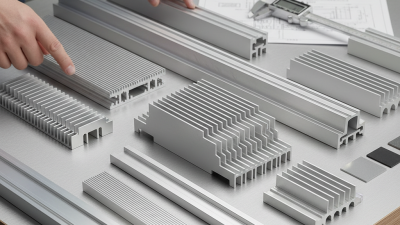
Mastering aluminum processing extrusion techniques is vital for many industries. This process transforms raw aluminum into various shapes and components. The significance of aluminum processing extrusion lies in its versatility and efficiency. Understanding these techniques can lead to innovative designs and improved product performance.
This article will explore the fundamentals of aluminum processing extrusion. It will delve into essential aspects, from material selection to machine setup. Each stage requires precision and expertise. Mistakes can lead to material waste and production delays.
Developing skill in this area is a journey. Continuous learning and hands-on experience are crucial. Professionals must adapt to new technologies and methods. Each project teaches valuable lessons, revealing strengths and weaknesses. Mastery comes with patience and practice. The pursuit of excellence in aluminum processing extrusion is both challenging and rewarding.
Understanding the Basics of Aluminum Extrusion Processes
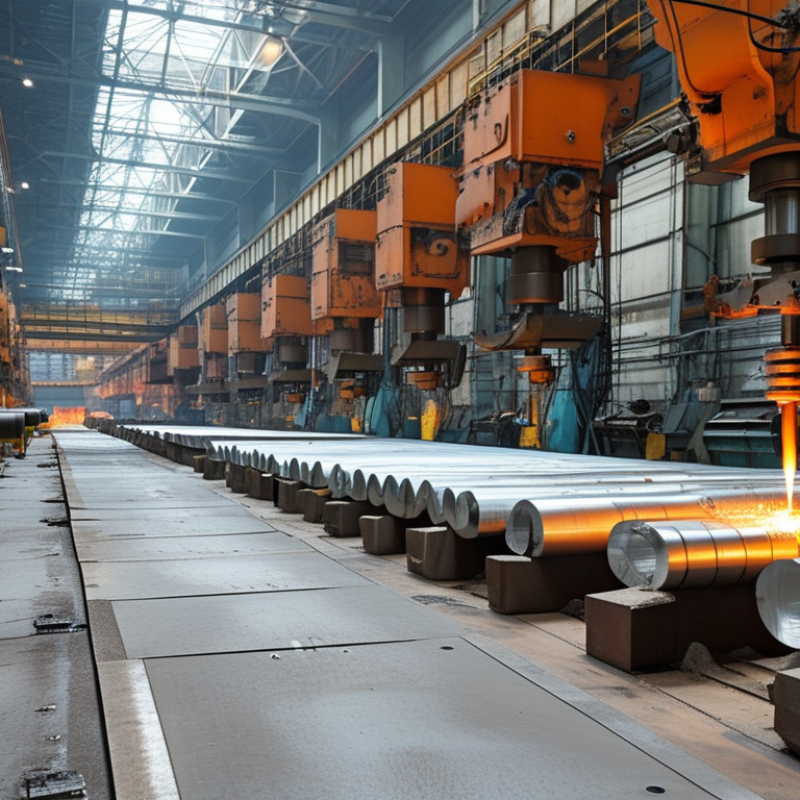
Aluminum extrusion is a fascinating process that shapes aluminum into various forms. The technique involves forcing heated aluminum through a die to create specific cross-sectional profiles. Understanding the basics is essential for anyone interested in mastering these skills. It requires knowledge of both the material and the machinery involved.
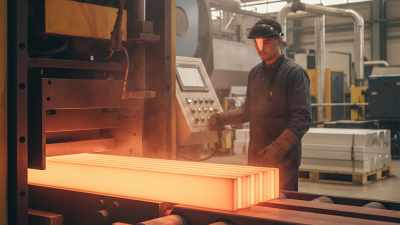
Firstly, temperature control is critical. Aluminum must be heated to the right temperature to ensure proper flow. If it’s too cold, it won’t deform; if too hot, it can lose its mechanical properties. Operators must calibrate the heating elements with precision, as mistakes here can lead to significant product defects. Furthermore, material selection plays a vital role in the quality of the extrusion. Different aluminum alloys exhibit unique characteristics, and knowing which to use for a project is crucial.
Experience in troubleshooting is also important. Extrusion can face challenges like die wear, surface defects, or inconsistent wall thickness. A good operator learns from these imperfections. Gather feedback on your work, and adjust processes accordingly. Mastery in aluminum extrusion is not achieved overnight. It demands continual learning and adaptation to new techniques and technologies.
Essential Equipment and Tools for Aluminum Extrusion
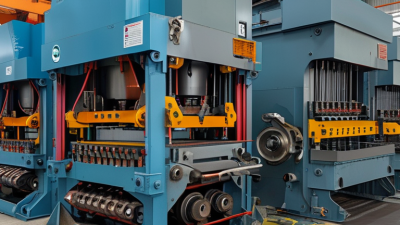
When diving into aluminum extrusion, understanding the essential equipment is crucial. The primary tool is the extrusion press, which applies significant pressure to shape aluminum billets. This machine needs to be robust and maintained properly for optimal performance. Alongside the press, cooling systems play a vital role. They help manage the temperature of extruded profiles, ensuring quality and consistency.
Another key piece of equipment is the tooling. Dies can significantly impact the final product's shape and precision. Investing in high-quality dies is important. Poor-quality dies can lead to inconsistencies and increased waste. Furthermore, having a reliable cutting machine is necessary for finishing the extrusions to the desired length.
Tips: Regular maintenance of your machinery cannot be overlooked. A well-maintained press can save time and money. Consider implementing a routine check-up schedule. Also, training your team on proper equipment usage can reduce errors and improve safety. Remember, the effectiveness of your tools often reflects in the quality of the final product.
2026 Aluminum Processing Extrusion Techniques
Key Techniques for Effective Aluminum Extrusion
Aluminum extrusion is a pivotal process in manufacturing. It requires a blend of technical knowledge and practical skill. Understanding key techniques can significantly enhance the quality of your extruded products. For instance, controlling temperature is crucial. High temperatures can lead to material sagging, while low temperatures may cause weak structures. Precision in temperature management can improve strength and longevity.
Another essential technique is die design. The die is where the aluminum takes shape. A well-designed die ensures even flow of material, reducing defects. However, achieving perfection in die design is often a challenge. Many engineers grapple with balancing complexity and functionality. Experimental trials can lead to unexpected outcomes, prompting continuous reflection and improvement.
Lastly, pay attention to the cooling process. Rapid cooling can cause warping, while slow cooling might create stress points. Finding the right cooling parameters is often a trial-and-error process. This requires monitoring and adjustments that might not yield immediate results. A commitment to refining these techniques is essential for mastering aluminum extrusion.
Common Challenges and Solutions in Aluminum Processing
Aluminum processing, particularly extrusion, poses several challenges that manufacturers must address. Common issues include die wear, material leaks, and inconsistent flow rates. According to a report by the Aluminum Association, extrusion defects can lead to a 20% increase in waste. These problems can significantly impact production schedules and costs.
Die wear is a significant challenge faced in the aluminum extrusion process. It occurs due to high temperatures and pressure. A study indicates that improper lubrication can accelerate this wear. Regular maintenance and monitoring can help reduce these issues. Another complication arises from material leaks, which may occur if the die isn’t properly sealed. These leaks can lead to inconsistent flow rates, affecting the quality of the final product.
Addressing these challenges requires careful planning and execution. Employing advanced monitoring systems can help detect flaws early. Additionally, training operators to recognize and solve common problems can improve overall efficiency. By fostering a culture of continuous improvement, manufacturers can enhance their aluminum processing techniques and reduce waste.
2026 How to Master Aluminum Processing Extrusion Techniques? - Common Challenges and Solutions in Aluminum Processing
| Challenge |
Description |
Common Solutions |
Best Practices |
| Die Wear |
Degradation of die quality over time, leading to inconsistent product dimensions. |
Regular maintenance and inspection of the dies, use of high-quality materials for die construction. |
Implement a die life monitoring system to assess wear and replace dies proactively. |
| Inconsistent Material Properties |
Variability in aluminum alloy compositions can lead to poor mechanical properties. |
Establish strict material quality control processes, and use certified suppliers. |
Utilize standardized alloy compositions to minimize discrepancies. |
| Surface Defects |
Issues like scratches, pits, or discoloration affecting the finished product surface. |
Implement contamination control measures and use protective coatings. |
Train operators on proper handling techniques to avoid surface damage. |
| Dimensional Tolerance Issues |
Final products may not meet specified tolerances, affecting assembly processes. |
Adjust pressing speeds and conditions; utilize advanced measurement tools. |
Conduct regular audits and calibrate equipment to ensure precision. |
| Brittleness |
Certain aluminum alloys can become brittle due to improper heat treatment. |
Ensure heat treatment processes are correctly followed and documented. |
Perform routine checks to validate the effectiveness of heat treatment. |
Advancements in Aluminum Extrusion Technology and Applications
Aluminum extrusion technology has advanced significantly in recent years. Innovations in design and machinery are enhancing the efficiency of the extrusion process. According to a report by Smithers Pira, the global aluminum extrusion market is expected to reach $60 billion by 2026. This highlights the rising demand for lightweight materials in industries like automotive and construction.
Effective aluminum extrusion requires precision in both shaping and finishing techniques. Advanced technologies, such as 3D modeling and automated systems, improve accuracy. Firms now utilize simulation software to predict material behavior during extrusion. Interestingly, while these advancements increase production rates, they also introduce complexities. Some manufacturers struggle with material defects or inefficiencies in their processes.
**Tips:** Focus on operator training. Skilled workers can detect issues early. Regular maintenance of machinery is also crucial. This prevents unexpected downtimes that can be costly. Always evaluate emerging technologies before implementation. Not every new tool suits all production lines.