Top Tips for Sourcing Aluminum Alloy Extrusion Products?
When sourcing aluminum alloy extrusion products, it’s crucial to understand the key factors that influence quality and performance. Aluminum alloy extrusion is a versatile process used across various industries. From automotive to construction, the demand for these products continues to grow. However, not every supplier meets the same standards.
Choosing the right manufacturer requires due diligence. It’s essential to assess their expertise in aluminum alloy extrusion. Look for companies with a proven track record and industry certifications. This can greatly impact the reliability of the final product.
Shortcuts in sourcing can lead to dissatisfaction. Selecting an unqualified supplier may result in subpar materials. Ensure the supplier conducts rigorous quality checks. Also, ask for samples to evaluate the craftsmanship. These steps can guide you in making informed decisions. Engaging with experienced professionals can help you navigate common pitfalls. After all, the right partnership is key to achieving successful outcomes.
Understanding Aluminum Alloy Extrusion Processes
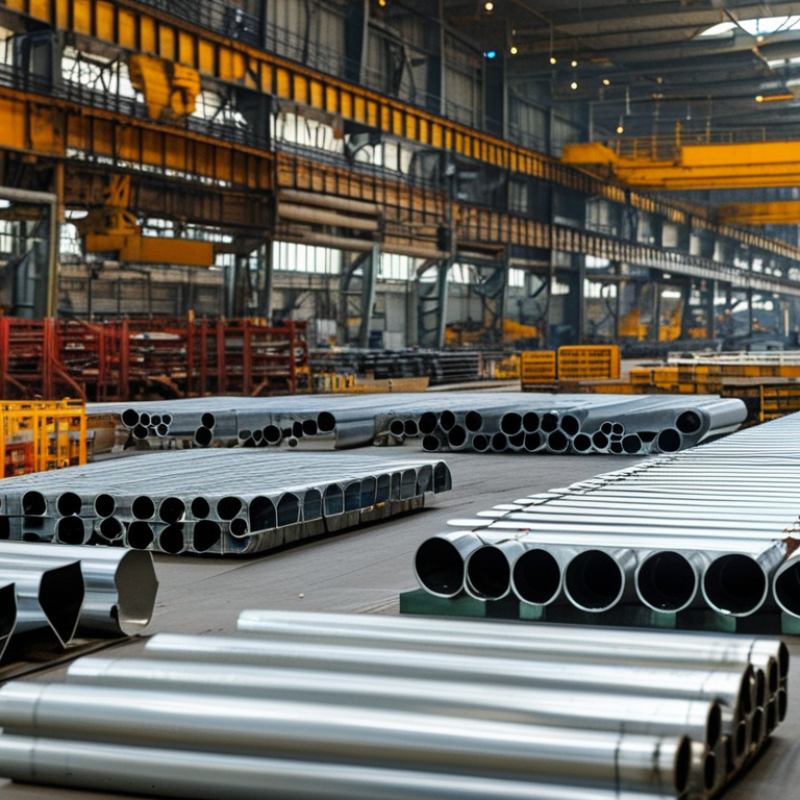
Aluminum alloy extrusion is a vital manufacturing process. It involves shaping aluminum into specific profiles by forcing it through a die. This technology allows for lightweight and durable products. When sourcing these products, understanding the extrusion process is crucial.
The process starts with melting aluminum and forming it into a billet. The heated billet is then pushed through a die with a specific shape. Controlling temperature and pressure is key. It affects the final product's quality. Variations in these factors can lead to defects, such as cracks or inconsistencies. Regular monitoring is essential to ensure optimal results.
Knowledge of the extrusion techniques involved can save time and resources. Different alloys yield different properties, like strength and corrosion resistance. Each application may require specialized profiles. Therefore, a deep understanding of material properties and potential issues is vital. This understanding empowers buyers to make informed decisions, leading to improved outcomes in their projects.
Top Tips for Sourcing Aluminum Alloy Extrusion Products
| Tip |
Description |
Benefits |
Considerations |
| Understand Alloy Grades |
Familiarize yourself with different aluminum alloy grades for optimal application. |
Ensures the right choice for strength, weight, and corrosion resistance. |
Different applications require specific alloy characteristics. |
| Define Specifications Clearly |
Provide precise dimensions, tolerances, and finishes required for the extrusion. |
Reduces misunderstandings and production errors. |
Vague specifications may lead to subpar products. |
| Evaluate Suppliers Thoroughly |
Assess the experience, capabilities, and certifications of potential suppliers. |
Ensures product quality and reliability from the source. |
It may involve research and visiting facilities. |
| Request Samples |
Ask for samples to evaluate the extrusion quality before bulk orders. |
Allows verification of quality and performance before commitment. |
Sample turnaround time may vary significantly. |
| Consider Lead Times |
Understand the typical lead times for extrusion and delivery from your suppliers. |
Helps in planning production schedules and reducing delays. |
Lead times can fluctuate based on workload and seasonality. |
Identifying Key Specifications for Aluminum Products
When sourcing aluminum alloy extrusion products, understanding key specifications is crucial. The alloy type, for instance, determines the strength, weight, and corrosion resistance of the final product. Make sure to choose an alloy that fits the specific demands of your project.
Tips for selecting the right alloy include assessing the operational conditions. Whether the product will face high temperatures or corrosive environments impacts decision-making. Consider the dimensions and tolerances needed for your application. Custom sizes may be necessary, so confirming these with suppliers is wise.
Another essential specification is the finish of the extruded aluminum. Anodized or polished surfaces provide different visual and protective outcomes. The right finish enhances both appearance and durability. Always ask for samples when possible. This ensures that the product meets your expectations. Regular review of supplier capabilities also helps maintain quality over time.
Evaluating Suppliers for Quality and Reliability
When sourcing aluminum alloy extrusion products, evaluating suppliers for quality and reliability is essential. A study by the Aluminum Association notes that about 45% of manufacturing defects stem from subpar materials. Therefore, scrutinizing suppliers becomes crucial. Look for manufacturers with certifications such as ISO 9001. This certification indicates adherence to quality management systems.
Another factor to consider is the supplier's track record. Research their history and client feedback. A reliable supplier often has a proven history of delivering consistent quality. According to a survey by industry analysts, 30% of businesses reported dealing with suppliers who had variable quality standards. This inconsistency can lead to project delays and increased costs.
Finally, assess the supplier's production methods. Advanced machinery and skilled labor contribute to the final product's quality. Inspect the supplier's facility if possible. This visit can reveal a lot about their operational standards. Sometimes, lower costs can lead to corners being cut in production. Therefore, balancing cost with quality assurance is necessary in your sourcing decisions. Trust but verify becomes the mantra in supplier selection.
Assessing Cost Factors in Aluminum Extrusion Sourcing
When assessing cost factors in aluminum extrusion sourcing, it’s essential to consider various elements that influence the final price. Material quality plays a crucial role. Higher-grade aluminum alloys often come at a premium but offer enhanced performance and durability. Understand your project's specific needs. Sometimes, opting for a less expensive alloy may suffice, reducing overall costs without sacrificing quality.
Labor costs can vary significantly based on geographic location. Working with suppliers in regions with lower labor costs can lead to savings. However, this could affect communication and lead times. Clear expectations are vital to manage any potential delays. Be cautious about cheaper options, as they may result in additional expenses later.
Logistics also impacts sourcing costs. Ensure that you account for shipping and handling expenses. Local suppliers might be more expensive, yet they often provide faster delivery. This trade-off can be worth it for urgent projects. Striking the right balance between cost, quality, and efficiency is essential for successful procurement.
Best Practices for Quality Control and Testing in Procurement
Quality control and testing are crucial in procuring aluminum alloy extrusion products. Ensuring a reliable source begins with a comprehensive understanding of the specifications. It is vital to define the properties required for your specific applications. Any ambiguity can lead to significant setbacks, including project delays and increased costs.
Testing procedures should include tensile strength and corrosion resistance assessments. Regular audits and inspections at different production stages can help identify potential flaws early. Verifying certifications can also improve trust in suppliers. However, relying solely on certifications without proper on-site inspections may not always be sufficient. Third-party testing offers an extra layer of assurance.
Communication with suppliers is key. Discussing quality standards openly fosters a cooperative relationship. Documenting all interactions provides a clear reference point. Ultimately, a transparent procurement process enhances product reliability. Remember, no system is infallible; continuous improvement should always be the goal.
Top Tips for Sourcing Aluminum Alloy Extrusion Products