Top 10 Led Aluminum Extrusion Options for Your Projects?
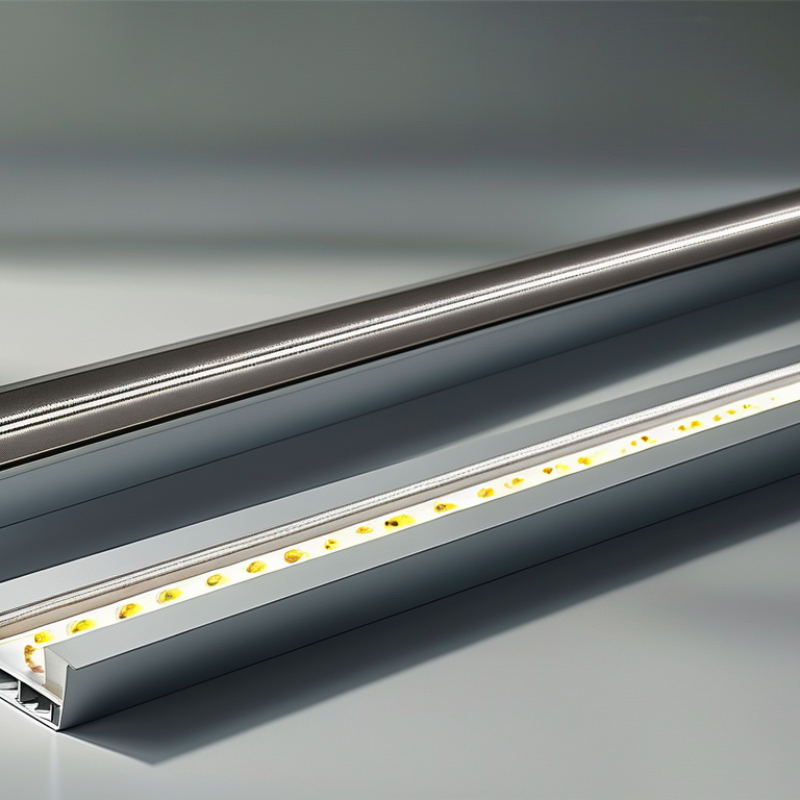
In today's lighting design, **LED aluminum extrusion** has become essential. This material combines functionality and aesthetics, making it a top choice for various projects. Architects, designers, and DIY enthusiasts flock to aluminum extrusion due to its versatility.
Choosing the right LED aluminum extrusion can be daunting. With numerous options available, it’s easy to feel overwhelmed. The right choice depends on your specific project needs and desired outcomes. Factors like size, finish, and heat dissipation are crucial.
As you explore our top 10 options, consider how each one aligns with your vision. Reflect on the practicality versus the aesthetic appeal. While some designs may be visually stunning, they might lack functionality. Balancing these aspects is key to achieving a successful project outcome.
Top 10 Benefits of Using LED Aluminum Extrusions in Lighting Projects
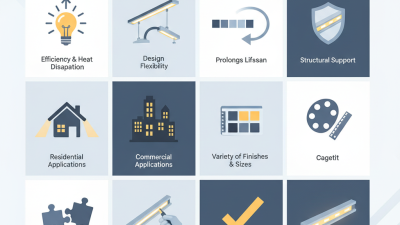
LED aluminum extrusions offer numerous advantages that make them an ideal choice for many lighting projects. Firstly, they provide excellent heat dissipation. Effective cooling helps extend the lifespan of LED lights, allowing them to last up to 25,000 hours in some cases. According to the U.S. Department of Energy, LEDs can be 75% more efficient than traditional lighting. This efficiency translates into lower energy costs, making them attractive for both commercial and residential applications.
Moreover, the design versatility of aluminum extrusions cannot be overstated. They can be crafted into various shapes and sizes, catering to specific aesthetic requirements or project needs. The anodized surface of aluminum also enhances its corrosion resistance. This improvement helps maintain the integrity of the light fixture over time, even in challenging environments. However, it is essential to choose the right extrusion to meet your specific application.
Improper choices can lead to unexpected outcomes, such as inadequate light distribution or overheating, which may compromise performance.
Additionally, the sustainability aspect of aluminum is noteworthy. It is recyclable, and using aluminum extrusions minimizes waste during manufacturing. An estimated 75% of all aluminum ever produced is still in use today, according to the International Aluminum Institute. This fact underscores the importance of aluminum in promoting environmental responsibility. Lighting projects can significantly benefit from including LED aluminum extrusions, but careful consideration of their implementation is crucial.
Key Factors to Consider When Selecting LED Aluminum Extrusion Profiles
When selecting LED aluminum extrusion profiles, consider several critical factors to ensure optimal results. First, the design of the extrusion matters. Look for profiles that facilitate effective heat dissipation. Inadequate cooling can shorten LED lifespan significantly, by up to 30%, according to a study by the U.S. Department of Energy.
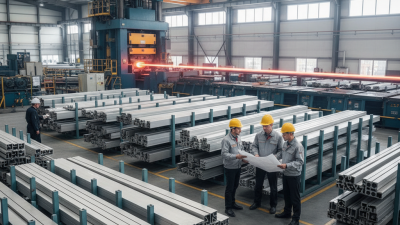
Material quality is another key consideration. Most extrusions are made from aluminum 6063 alloy, which offers excellent thermal conductivity and corrosion resistance. However, not all extrusions are created equal. A poorly designed or manufactured profile can lead to inefficient lighting and increased maintenance costs.
Tip: Always request thermal performance data from suppliers. This information provides insight into how each profile handles heat. A good profile should maintain optimal LED temperatures.
Light diffusion is also essential. Choose profiles with built-in diffusers or ensure the end cap design allows for uniform light distribution. Mismatched diffusers can create areas of shadow or hotspots.
Tip: Consider the application's ambient light conditions. A profile designed for bright settings may not perform well in darker environments, leading to unexpected user experiences. Attention to these details during selection can enhance the project's success.
Understanding the Thermal Management in LED Lighting Solutions
Thermal management is critical in LED lighting solutions. Poor heat dissipation can lead to shortened lifespans and decreased performance. According to a study by the National Renewable Energy Laboratory, effective thermal management can improve LED efficiency by up to 30%. Proper heat sinks and aluminum extrusions are essential in addressing these issues.
Integrating aluminum extrusions into your design enhances heat dispersion. The surface area allows for better airflow. Experts recommend choosing profiles with fins to increase heat dissipation. This adds a reliable method for maintaining optimal operating temperatures.
Tips: Consider using thermal interface materials to aid conduction. These materials fill the microscopic gaps between the LED and heatsinks. Regularly monitor temperatures in your setups to ensure they remain under the manufacturer's specified limits. Remember, ongoing adjustments may be necessary as components age. Understanding and implementing effective thermal management can set your LED projects up for long-term success.
Comparative Analysis of Different LED Aluminum Extrusion Designs
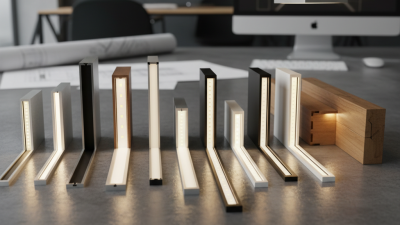
When it comes to LED aluminum extrusion designs, understanding the differences can significantly impact your project's outcome. Various profiles, such as flat, U-shaped, and angular, offer distinct advantages. Flat extrusions are ideal for mounting on walls, providing a minimalist look. U-shaped options allow for more light diffusion, softening harsh shadows, which can enhance mood in retail spaces.
The choice of materials also plays a crucial role in the performance of these extrusions. Not all aluminum is created equal. Some are designed for optimal thermal conductivity, which helps to dissipate heat efficiently. This is vital for LED longevity and performance. Consideration of the finish, such as anodized or powder-coated options, affects both aesthetics and corrosion resistance. These nuances can make or break a design.
Yet, not every design will suit every application. The installation process might pose challenges such as alignment or space constraints. Reflect on the specific needs of your project before committing to a design. Some extrusions may require additional tools for installation, complicating the process. Being aware of these factors ensures a smoother experience and a successful outcome.
Top 10 LED Aluminum Extrusion Options
This chart represents a comparative analysis of the top 10 LED aluminum extrusion options used in various projects. The data includes the popularity rating based on user feedback and effectiveness in heat dissipation.
Industry Standards and Certifications for LED Aluminum Extrusions
When selecting LED aluminum extrusions, understanding industry standards is crucial. These guidelines ensure safety, performance, and compatibility. Major regulations often include certifications like UL, CE, and RoHS. Each certification indicates a commitment to quality and environmental responsibility. For instance, UL certification guarantees that the product meets rigorous safety standards.
Moreover, precise heat dissipation is vital for LED efficiency. The right extrusion can effectively manage temperature, prolonging LED life. Pay attention to the thermal conductivity ratings. It’s essential to consult technical data sheets to assess efficiency. In addition, consider the specific application needs. Not all extrusions are suitable for every project.
The quality of materials used also matters. Reputable manufacturers adhere to stringent guidelines. Yet, not every product in the market may meet these standards. It's important to verify certifications and review third-party test results. This approach helps in ensuring that you invest in reliable extrusions. Always remain mindful of the importance of these standards. They directly impact both performance and safety of your lighting solutions.
Top 10 LED Aluminum Extrusion Options for Your Projects
| Model |
Dimensions (mm) |
Weight (g/m) |
Max Length (mm) |
Certification |
| Profile A |
20 x 20 |
250 |
3000 |
CE, RoHS |
| Profile B |
30 x 30 |
350 |
3000 |
UL, RoHS |
| Profile C |
40 x 20 |
400 |
4000 |
CE, UL |
| Profile D |
50 x 50 |
500 |
5000 |
RoHS, ISO |
| Profile E |
45 x 45 |
420 |
3000 |
CE, RoHS |
| Profile F |
25 x 25 |
230 |
2000 |
UL, RoHS |
| Profile G |
60 x 30 |
600 |
6000 |
ISO, RoHS |
| Profile H |
20 x 10 |
150 |
2500 |
CE, UL |
| Profile I |
35 x 20 |
320 |
4000 |
RoHS, ISO |
| Profile J |
15 x 15 |
120 |
3000 |
CE, UL, RoHS |