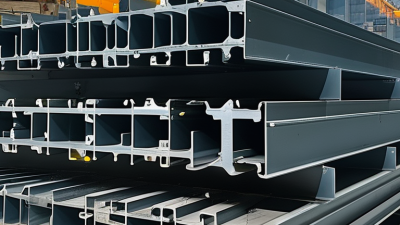
How to Choose the Right Door Profile for Global Projects?
Choosing the right Door Profile can determine whether a global project performs reliably or creates years of avoidable maintenance.
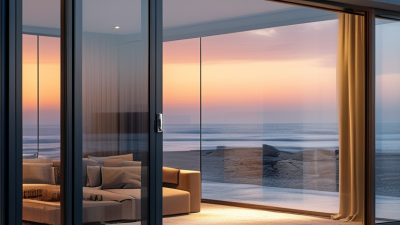
A suitable profile must fit the building’s climate, use, and installation conditions. A coastal hotel may need marine-grade finishes and stronger corrosion resistance. A high-rise entrance may require deeper sections, reinforced corners, and tested wind-load performance. Thermal breaks matter in cold regions. Drainage paths matter during heavy rain. Small details matter.
Architect Norman Foster once said, “As an architect, you design for the present, with an awareness of the past, for a future which is essentially unknown.” This principle applies directly to Door Profile selection. A profile should support today’s design goals while remaining adaptable to changing weather, hardware, and maintenance expectations.
Global projects are rarely identical. Local codes, glass thicknesses, gasket systems, and fabrication skills can vary widely. A profile that performs well in Germany may need adjustment for Southeast Asia’s humidity or the Middle East’s intense sunlight. Testing data should therefore be reviewed with actual site conditions, not accepted blindly.
Experience also reveals an uncomfortable truth. The most attractive profile is not always the most practical one. A slim section may reduce visual weight, yet leave less space for drainage or hardware. I have seen drawings look perfect until installers faced uneven masonry and limited tools.
There is no universal Door Profile. The better choice balances structural performance, thermal control, aesthetics, supply stability, and local installation reality. That balance deserves careful questioning before production begins.
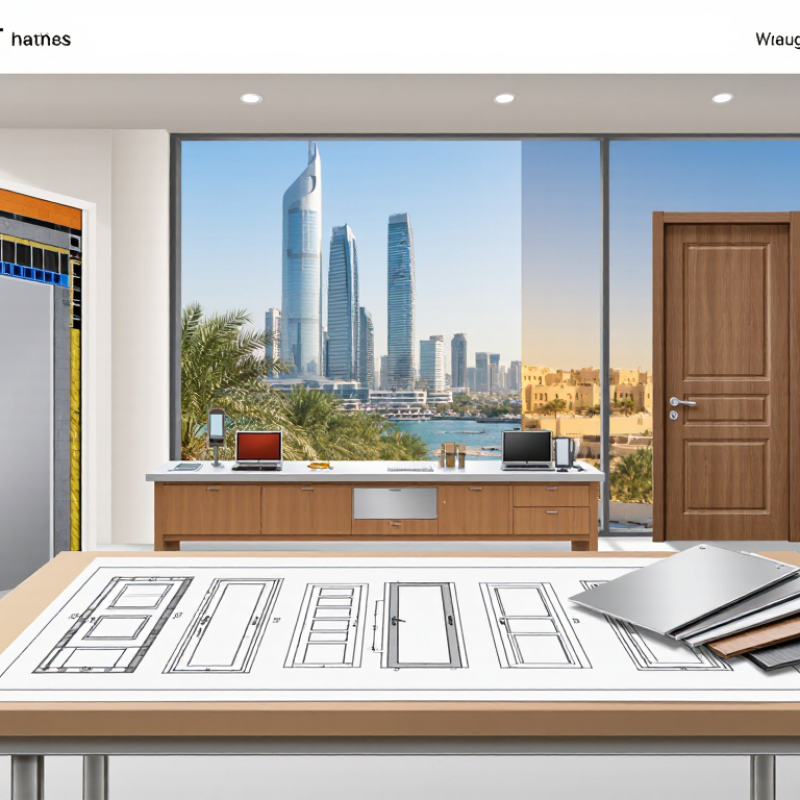
Understanding Door Profile Types and Their Global Applications
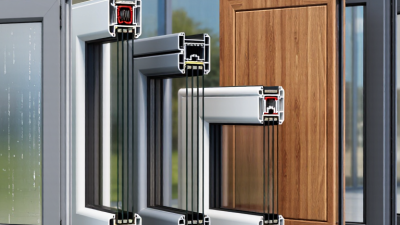
Choosing a door profile starts with climate, not appearance. Common options include thermally broken aluminum, multi-chamber uPVC, insulated steel, and engineered timber. Each performs differently across heat, moisture, wind, and acoustic conditions. A coastal hospital may need corrosion resistance and sealed joints. A cold-climate apartment may require a low U-value and a continuous thermal break. A tropical school may prioritize ventilation, solar control, and drainage.
The stakes are substantial. The 2023 Global Status Report for Buildings and Construction, published by UNEP and GlobalABC, reports that buildings represented about 34% of global energy demand in 2022. It also links the sector to roughly 37% of energy and process-related carbon emissions. Door profiles cannot solve this alone. However, weak frames can undermine efficient glazing and airtight envelopes. The International Energy Agency’s Energy Efficiency 2023 report also identifies buildings as a major field for efficiency improvements. Profile selection should therefore include tested U-values, air leakage, water tightness, acoustic ratings, and expected service life.
Global application requires more than copying a successful specification. Local fabrication skills, replacement access, installation tolerances, and maintenance habits matter. UN DESA projects that 68% of the world’s population may live in urban areas by 2050. High-density buildings will demand quieter, more durable entrances. A specification can still fail in practice. Designers sometimes overvalue thermal data and overlook hinges, thresholds, or poorly sealed corners. A practical review should compare laboratory results with site conditions. No profile is universally best. That remains inconvenient, but useful.
Assessing Climate, Building Codes, and Project Requirements
How to Choose the Right Door Profile for Global Projects?
Climate should guide the door profile before aesthetics. The WMO State of the Global Climate 2023 reported that 2023 was about 1.45°C above the pre-industrial average. Hotter conditions can increase thermal movement, seal fatigue, and cooling demand. In coastal areas, salt air and driving rain require corrosion-resistant finishes and carefully designed drainage paths. In cold regions, thermal breaks, low air leakage, and condensation control deserve close attention. Small gaps matter.
Building codes are not interchangeable. Check local requirements for fire resistance, accessibility, wind pressure, air permeability, water tightness, and thermal performance. Standards such as EN 12207, EN 12208, EN 12210, and ISO 10077-2 can support technical comparisons, but local approval remains essential. A profile passing one test may still fail another climate’s exposure conditions. That assumption can fail.
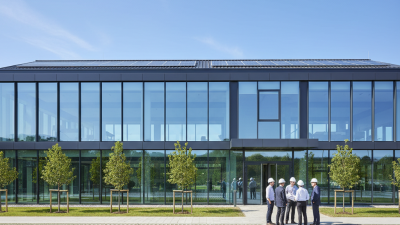
Project requirements add practical constraints. Hospitals may need hygienic surfaces and frequent cleaning. High-rise entrances need stronger wind-load calculations and reliable hardware anchoring. Residential developments may prioritize acoustic control and energy efficiency. The UNEP 2023 Global Status Report for Buildings and Construction estimated that buildings consume about 30% of global energy and produce roughly 26% of energy-related emissions. Therefore, frame depth, glazing selection, gaskets, and installation quality all affect operational performance. A perfect profile cannot rescue poor site installation. Review shop drawings, mock-ups, and test results together.
How to Choose the Right Door Profile for Global Projects?
Climate-zone thresholds help establish the thermal, drainage, sealing, and corrosion-resistance priorities for an exterior door profile.
Hot climate zones
Prioritize solar-control glazing, shaded thresholds, durable gaskets, and effective water drainage. Zone 1 begins above 9,000 CDD50.
Mixed and temperate zones
Use thermally improved profiles, continuous weather seals, and condensation-resistant frame details. Zone 3 combines cooling and heating demands.
Cold climate zones
Prioritize low thermal transmittance, insulated cores, thermally broken sections, and airtight installation. Zone 8 starts above 18,000 HDD65.
Climate thresholds are based on the 2021 International Energy Conservation Code climate-zone method: HDD65 uses heating degree days below 65°F, while CDD50 uses cooling degree days above 50°F. Always confirm the applicable local building code, wind-load requirement, fire rating, accessibility rules, and project specifications.
Comparing Materials, Performance, and Long-Term Durability
How to Choose the Right Door Profile for Global Projects?
Material choice affects performance long after installation. Aluminum profiles offer strength, slim sightlines, and strong resistance to moisture. They suit commercial entrances and demanding coastal environments. uPVC profiles provide useful thermal insulation and lower maintenance needs. Timber creates warmth, but it needs careful sealing and regular inspection. Composite systems can balance appearance, stability, and energy performance. However, material alone never guarantees durability.
Performance depends on the complete door profile, not just its frame. Check thermal breaks, drainage paths, gasket quality, and hardware compatibility. In cold regions, poor insulation can cause condensation around the frame. In hot climates, dark finishes may increase expansion. Coastal air can accelerate corrosion. Acoustic performance also matters near airports, hotels, and busy streets. A technically impressive profile may still underperform when installation tolerances are ignored.
Tips: Compare tested air, water, wind, thermal, and acoustic results. Request evidence from independent laboratories where possible. Match the profile with local climate data and maintenance capacity. Inspect sample corners, seals, and drainage details before approval. Small details matter. I have seen projects specify excellent materials but overlook replacement access. That mistake can increase service costs years later. Also, project teams should question optimistic service-life claims, because real exposure, cleaning routines, and workmanship can change results.
Matching Door Profiles with Manufacturing and Installation Systems
How to Choose the Right Door Profile for Global Projects?
Matching Door Profiles with Manufacturing and Installation Systems
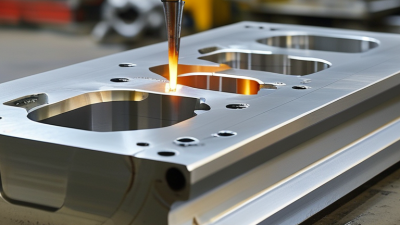
Choosing a door profile for a global project starts with the manufacturing system. An extruded aluminum profile may fit automated cutting and machining lines. A roll-formed steel profile may suit different tooling and joining methods. Review section drawings, cutting lists, and connection details before approval. Small dimensional differences can disrupt hardware alignment, gasket compression, and frame assembly. Check whether local fabricators can reproduce the profile consistently. Availability matters as much as design.
Installation conditions can change the correct choice. Confirm wall thickness, fixing points, drainage paths, and adjustment space. Ask installers to test the profile with actual anchors, seals, hinges, and glazing units. A full-size mock-up can reveal problems early.
Perfect on paper. Not always on site.
The first choice may be wrong, and that is useful feedback. Revise the design before production begins. Local engineers should also verify performance against applicable building and safety requirements.
Tips:
Compare the profile with existing machinery, not only drawings. Request a sample corner joint. Measure twice. Record installation tolerances clearly. Keep replacement parts compatible with the selected system. A practical profile is one that factories can make, installers can adjust, and inspectors can evaluate reliably.
Selecting a Profile That Balances Cost, Quality, and Sustainability
How to Choose the Right Door Profile for Global Projects?
Selecting a Profile That Balances Cost, Quality, and Sustainability
In global projects, a door profile must survive more than a showroom inspection. Start with the building’s climate, use, and maintenance capacity. A coastal hotel needs strong corrosion resistance, while an inland office may prioritize thermal performance. Ask how the profile behaves after ten years, not only on delivery day. Site inspections often show that drainage details matter more than polished appearance. Water finds weak points.
The cheapest profile can become expensive through repairs, energy loss, and early replacement. Compare total lifecycle cost, including installation, cleaning, spare parts, and disposal. Request verified test reports for air tightness, water resistance, thermal performance, and mechanical strength. Local installers should also confirm that the profile suits available tools and skills. A technically excellent product can fail through poor installation. That risk is often underestimated.
Sustainability requires careful checking. Recycled content is valuable, but it cannot excuse weak durability. Ask for environmental data, responsible material sourcing, and options for repair or disassembly. Shorter transport routes may reduce impact, although local availability is not always consistent. I have seen teams over-specify profiles to feel safe, then exceed the project budget. A perfect specification rarely exists. The better choice usually balances measured performance with real site conditions, future maintenance, and honest uncertainty.