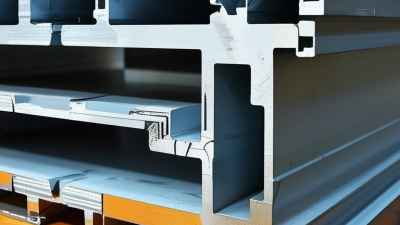
China’s aluminum extrusion industry serves construction, transportation, machinery, renewable energy, and industrial automation. This guide introduces ten leading suppliers of Industrial Aluminum Profiles in China. It focuses on practical evidence, not attractive websites or broad marketing claims.
The evaluation considers extrusion capacity, alloy control, dimensional tolerances, surface treatment, tooling support, and quality inspection. It also reviews production experience, export performance, certifications, delivery consistency, and technical communication. Strong suppliers should explain their processes clearly. They should provide alloy certificates, inspection reports, drawings, and realistic production schedules. Factory visits, sample testing, and reference checks can reveal details that catalogs often hide.
Small details matter.
A clean anodized finish, stable wall thickness, and accurate cutting can reduce assembly problems. However, no ranking is perfect. Supplier capabilities may change with equipment, staffing, material costs, or order volume. Public information can also be incomplete or outdated. That limitation deserves attention.
This overview therefore treats the “top ten” as a practical starting point, rather than an absolute judgment. Buyers should compare quotations against specifications, trial orders, packaging standards, and after-sales support. A low price may become expensive when profiles arrive scratched, warped, or outside tolerance. Conversely, a higher quotation may reflect better tooling control and inspection depth. The final choice should match the application, required alloy, annual volume, and risk tolerance. Reliable sourcing requires verification, not assumptions.
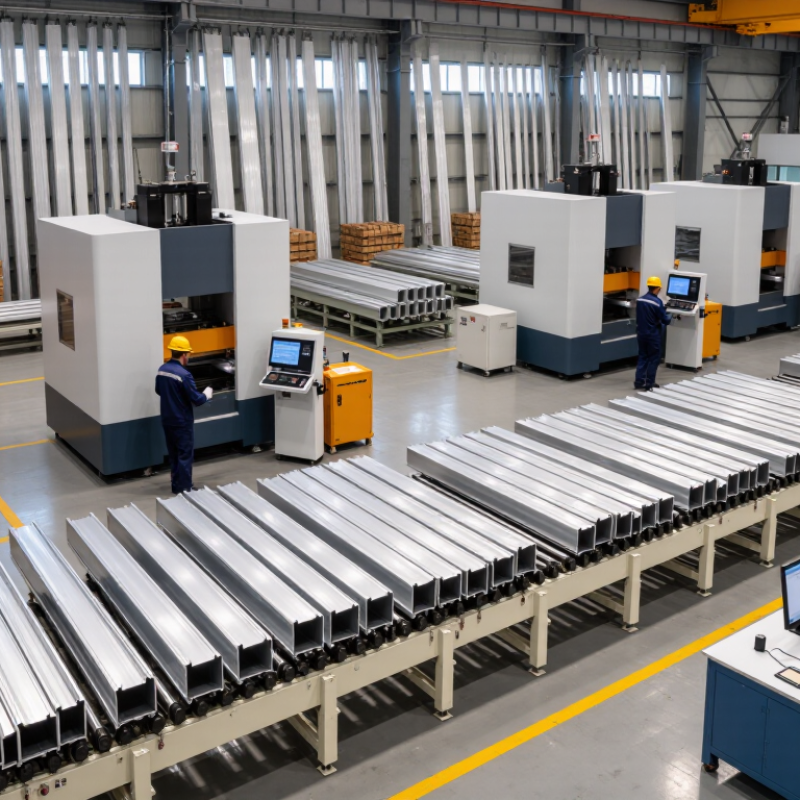
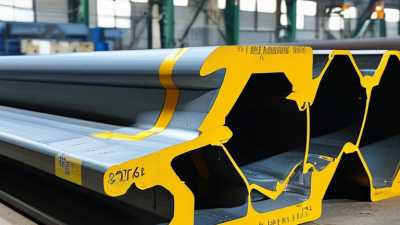
Industrial aluminum profiles are extruded sections designed for strong, lightweight structural work. Manufacturers heat aluminum billets and press them through shaped dies. The result is a repeatable profile with slots, ribs, or channels. These features support frames, guards, workstations, machine covers, and conveyor structures.
In practical factories, profiles build clean-room partitions, inspection tables, robotic-cell enclosures, and storage racks. They also appear in solar mounting systems and transport equipment. Aluminum resists corrosion and remains easier to handle than steel. Its modular grooves allow brackets, panels, sensors, and fasteners to move without extensive welding. However, profile choice is not automatic. Load, span, vibration, surface treatment, and working temperature must be checked. I have seen projects fail because a light frame carried heavy moving equipment. The profile looked strong. The connection was not.
Tips: Confirm the alloy, wall thickness, tolerance, and finishing method before ordering. Ask for test data and drawings. Check corner joints under real loads, not only on paper. A small prototype can expose flexing, noise, or alignment problems early. Review cutting accuracy and packaging, because damaged edges complicate assembly. Some designs need custom extrusion, but standard sections often reduce cost and replacement time. Reconsider the design after installation. Factory conditions are rarely as tidy as the first drawing.
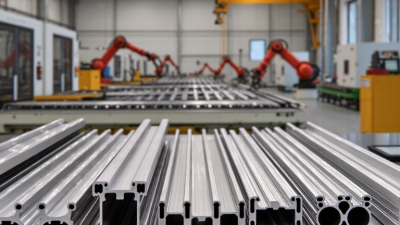
How to Evaluate China’s Industrial Aluminum Profile Suppliers
China’s scale is substantial. The USGS Mineral Commodity Summaries 2024 estimated China produced 36 million metric tons of primary aluminum in 2023, nearly half the global total. The figure shows industrial capacity, not supplier reliability. Buyers should inspect extrusion presses, billet storage, die control, and finishing lines. A clean showroom proves little.
Request alloy certificates, tensile-test results, dimensional records, and batch traceability. For common 6063 and 6061 profiles, compare results with EN 755 or ASTM requirements. Check wall thickness at several points, especially near corners and hollow sections. The International Aluminium Institute reported global primary aluminum production above 70 million tonnes in 2023. This supports broad material availability, but recycled-content claims still require evidence.
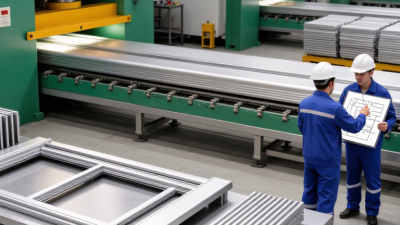
Audit production samples, not only documents. Ask for a pilot order with fixed drawings, surface standards, packaging details, and inspection rules. Measure profiles with calibrated gauges before shipment. Review corrective-action records; repeated defects reveal more than a perfect presentation. Factory capacity can also mislead when subcontracting is hidden. That risk deserves direct questioning.
A supplier may pass an audit and still miss delivery dates. Pricing can hide tooling, coating, or minimum-order costs. I would leave room for doubt, because even experienced buyers sometimes overvalue certificates and undervalue process discipline. Reliable evaluation combines data, site evidence, independent testing, and several delivered batches.
Anonymized supplier-evaluation benchmark based on commonly used industrial aluminum standards, production capabilities, and purchasing requirements.
| No. | Evaluation Dimension | Industry-Validated Data or Requirement | Evidence to Request | Recommended Weight |
|---|---|---|---|---|
| 1 | Alloy and Temper Control | Common industrial extrusion alloys include 6060, 6061, and 6063. Typical tempers are T5 and T6, selected according to strength, machinability, and surface-finish requirements. | Mill certificates, chemical-composition reports, temper records, and batch traceability. | 15% |
| 2 | Extrusion Equipment | A suitable press range depends on profile size and section complexity. Industrial suppliers commonly operate presses from approximately 600 to 5,000 metric tons. | Equipment list, press-tonnage range, maximum billet size, and sample production records. | 10% |
| 3 | Dimensional Accuracy | Dimensional tolerances should be agreed against ISO 2768, EN 755-9, EN 12020-2, or an equivalent project specification. Tight tolerances may require secondary machining. | Inspection plans, calibrated measuring equipment, capability studies, and first-article inspection reports. | 15% |
| 4 | Surface Treatment | Available treatments may include anodizing, powder coating, electrophoretic coating, polishing, and mill finish. Anodized coating thickness is commonly specified by project grade, often around 10–25 μm. | Treatment specification, color-control procedure, coating-thickness reports, adhesion tests, and sample panels. | 12% |
| 5 | Fabrication Capability | Value-added services can include cutting, CNC machining, drilling, tapping, punching, bending, welding, assembly, and kit packing. Capability must be matched to drawing tolerances. | Machine list, process flow, sample parts, tolerance chart, and assembly inspection records. | 10% |
| 6 | Quality Management | A documented quality system should control incoming material, die preparation, extrusion, heat treatment, finishing, packing, and final inspection. ISO 9001 certification is a useful baseline but does not replace product testing. | Valid certificate, audit reports, nonconformance records, corrective-action procedure, and inspection checklist. | 12% |
| 7 | Testing and Traceability | Reliable records should connect each shipment to alloy batch, extrusion date, finishing batch, inspection results, and packing identification. | Heat-number traceability, test reports, barcode or lot labels, retention policy, and sample traceability exercise. | 10% |
| 8 | Tooling and Prototype Support | The supplier should clarify die-design responsibility, die ownership, modification charges, prototype quantity, and approval stages before mass production. | Tooling agreement, die drawing, trial-extrusion report, prototype samples, and approval documentation. | 8% |
| 9 | Capacity and Delivery Control | Lead time varies with die development, alloy, finish, machining, and order quantity. Capacity should be verified using a production schedule rather than a general monthly claim. | Capacity plan, bottleneck analysis, on-time-delivery records, contingency plan, and agreed production milestones. | 5% |
| 10 | Packaging and Export Logistics | Packaging should prevent scratches, moisture damage, deformation, and mixed-lot errors. Export documents should match the purchase contract, packing list, and applicable customs requirements. | Packaging specification, loading photographs, export-document sample, Incoterms confirmation, and damage-claim procedure. | 3% |
China’s top 10 industrial aluminum profile suppliers should be assessed through capability, not publicity. The USGS Mineral Commodity Summaries 2024 estimated China produced about 41 million metric tons of primary aluminum in 2023. This scale supports strong extrusion capacity, broad alloy access, and competitive tooling services.
A practical supplier review should examine alloy consistency, dimensional tolerance, surface treatment, and delivery control. The International Aluminium Institute reports that recycled aluminum generally requires far less energy than primary metal. Therefore, responsible suppliers should show recycled-content records and measurable energy practices. Factory audits matter. So do laboratory certificates. Buyers should request tensile strength results, hardness data, coating thickness, and batch traceability before approving a top-ten candidate.
China’s industrial profile sector is extensive, but public supplier data remains uneven. This is an important weakness. A company may advertise advanced presses while providing limited evidence of die-life management or defect rates. The China Nonferrous Metals Industry Association’s industry reviews highlight continuing modernization and efficiency improvements across aluminum processing. However, rankings can change with export performance, equipment investment, and quality stability. The strongest ten suppliers are not simply the largest producers. They are manufacturers that consistently deliver heat sinks, machine frames, rail components, and customized sections within verified specifications. Mistakes still happen, especially with complex hollow profiles. Clear communication and independent testing reduce that risk.
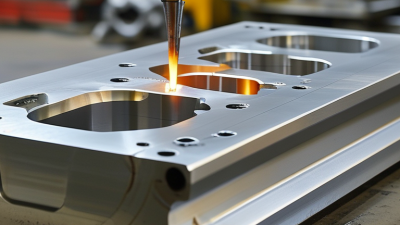
China’s leading industrial aluminum profile suppliers provide far more than standard extrusions. Their catalogs usually include T-slot profiles, structural sections, heat-sink shapes, framing systems, and custom dies. Many also offer cutting, drilling, tapping, CNC machining, anodizing, powder coating, and assembly. These services can turn a six-meter extrusion into a ready-to-install machine frame.
The USGS Mineral Commodity Summaries 2024 estimated China’s 2023 primary aluminum output at about 41 million tonnes, nearly 59% of global production. This large industrial base supports faster tooling, broad alloy availability, and competitive production capacity. Suppliers serving automation, solar equipment, logistics, and construction often provide CAD assistance, prototype sampling, inspection reports, and export packaging. Yet low pricing alone can mislead. Alloy certificates, dimensional tolerance, coating thickness, and load calculations deserve equal attention. I have seen attractive quotations become expensive after repeated machining corrections.
Tips: Request one finished sample before bulk production. Check alloy, temper, surface thickness, and straightness with independent measurements. Ask whether the supplier can maintain the same die and process settings across repeat orders.
The International Aluminium Institute projects that global aluminum demand may rise substantially by 2050, driven by transport, renewable energy, and infrastructure. This makes lifecycle support more important. Reliable suppliers should discuss recycled content, scrap handling, corrosion resistance, and maintenance needs. Some product pages promise “custom solutions,” but the engineering depth may remain unclear. A detailed drawing review often reveals more than a polished catalog.
Industrial aluminum profile suppliers commonly provide standard and custom extrusions for machinery frames, automation equipment, cleanrooms, conveyor systems, solar structures, and architectural applications. Typical services include alloy selection, die design, extrusion, CNC machining, surface treatment, fabrication, assembly, and packaging.
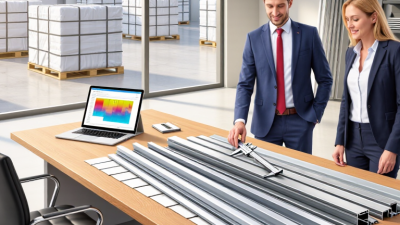
Choosing among China’s top industrial aluminum profile suppliers requires more than comparing quoted prices. Start with your project drawings, alloy requirements, profile length, wall thickness, and surface finish. A capable supplier should review these details and identify risks before production begins. Ask for extrusion tolerances, sample reports, and clear explanations of cutting accuracy. Vague answers are warning signs.
Request a small sample run before placing a large order. Check the profile with calipers, inspect corners for cracks, and compare anodizing color under natural light. Ask how the supplier controls billet quality, die maintenance, heat treatment, and final inspection. Reliable factories can provide batch records, material certificates, and photos from production. Verify their equipment, export experience, packaging methods, and ability to meet your destination’s standards. Do not trust certificates without checking their scope and validity.
Lead time deserves careful attention. A low price means little if delayed profiles stop assembly on your site. Confirm die charges, minimum order quantities, replacement policies, and shipping responsibilities in writing. Communication also matters. Test how quickly the technical team answers a difficult question. Some suppliers look excellent during sales discussions but become slow after payment. That possibility should shape your contract and inspection plan. A third-party inspection may cost more, yet it can reveal mixed alloys, uneven coating, or damaged bundles before shipment. I would not choose the cheapest offer automatically. Even experienced buyers sometimes underestimate packaging needs for long, thin profiles.